
Downy Serviceberry
Amelanchier arborea
Educational content — not medical, botanical, or professional advice. Plant identification, safety, and edibility depend on local conditions, cultivars, and correct identification. Consult a qualified botanist or forager before consuming or handling wild specimens. How we source & review →
Garden journal pausedUse profile notes below
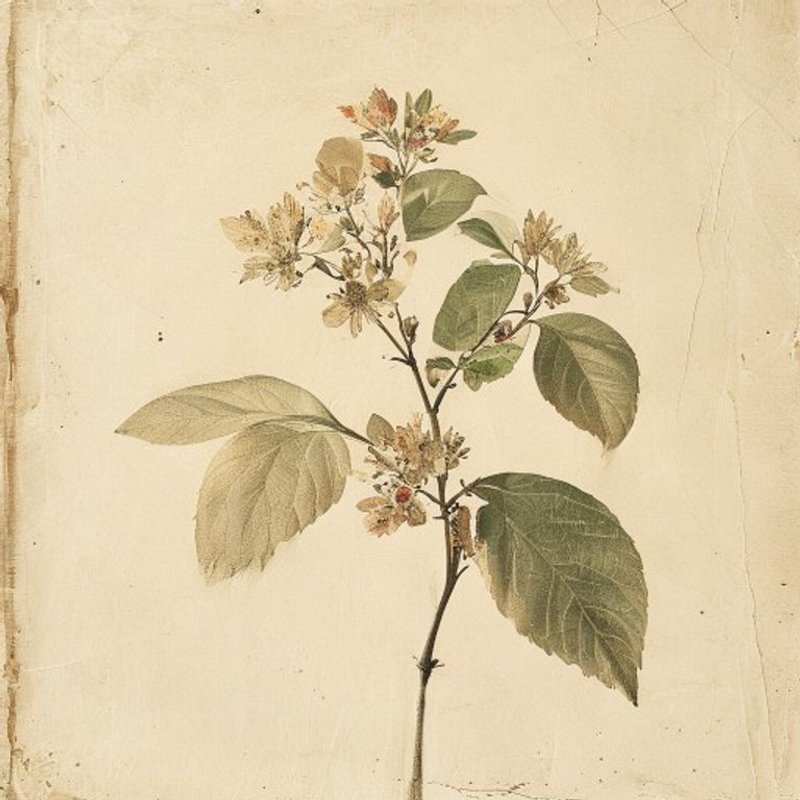
Pl. F5D3 — Amelanchier arborea
Amelanchier arboreaAmelanchier arboreaAmelanchier arboreaAmelanchier arboreaAmelanchier arboreaAmelanchier arboreaAmelanchier arboreaAmelanchier arboreaAmelanchier arboreaAmelanchier arboreaAmelanchier arboreaAmelanchier arboreaAmelanchier arboreaAmelanchier arborea
IOverview
Overview
Downy Serviceberry (Amelanchier arborea) is a deciduous tree or shrub native to the eastern United States and southeastern Canada, with a range extending from Alabama to Wisconsin. It thrives in diverse habitats, including states like Connecticut, Delaware, Illinois, Indiana, Iowa, Kansas, Kentucky, Louisiana, Maine, Maryland, Massachusetts, Michigan, Minnesota, Mississippi, Missouri, Nebraska, New Brunswick, New Hampshire, New Jersey, New York, North Carolina, Nova Scotia, Ohio, Oklahoma, Ontario, Pennsylvania, Québec, Rhode Island, South Carolina, Tennessee, Texas, Vermont, Virginia, West Virginia, and Wisconsin. This versatile plant is known for its edible fruits, which are often used in jams, pies, and desserts due to their sweet flavor. The downy serviceberry also serves as an ornamental feature in gardens, appreciated for its attractive white flowers in spring and berries in summer. The leaves and stems of the downy serviceberry have a distinctive downy texture, making them easy to identify. This tree or shrub can grow up to 10 meters tall and is hardy in zones 5-8. It thrives in full to partial sun and prefers moist, well-drained soil that can be light (sandy), medium, or heavy (clay) with a pH range of 4.8–7.5. The downy serviceberry is adaptable and can serve as an effective erosion control plant. For propagation, it can be grown from seeds or cuttings. While the fruit is edible and adds a light, sweet flavor to various dishes, caution should be exercised when consuming any wild plants, as proper identification is crucial to avoid confusion with toxic species.
Quick answers
What is Downy Serviceberry?
Downy Serviceberry (Amelanchier arborea) is a deciduous tree or shrub native to the eastern United States and southeastern Canada, with a range extending from Alabama to Wisconsin.
Growingconditions · propagation · uses
VCultivation
Cultivation
Downy Serviceberry thrives in full to partial sun and prefers moist, well-drained soil that can be light (sandy), medium, or heavy (clay). It is hardy in zones 5-8 and grows up to 10 meters tall. This versatile tree or shrub is native to a wide range of eastern North American states and provinces. For propagation, it can be grown from seeds or cuttings. The fruit is edible and adds a light, sweet flavor to various dishes. Ensure the soil pH ranges between 4.8 and 7.5 for optimal growth.
Light
Full sun, Partial sun/shade
Water
Moist
Soil
Light (sandy), Medium, Heavy (clay)
Hardiness
5-8
Habit
Tree, Shrub
Mature size
10.0 m tall
Soil pH
4.8–7.5
For first-time growers
How to grow Downy Serviceberry for the first time
8steps
Start with a simple Downy Serviceberry tree to enjoy its beauty and fruit.
- 1
What you'll need
A young Downy Serviceberry sapling, garden gloves, a trowel.
- 2
Best time to plant
Plant in early spring or late fall when the soil is workable and temperatures are mild.
- 3
Soil and container prep
Ensure the soil drains well; amend with compost if necessary. For containers, use a potting mix suitable for trees.
- 4
Sowing or transplanting
Transplant young saplings directly into the garden or a large container. Dig a hole twice as wide and deep as the root ball.
- 5
First two weeks
Water regularly to keep soil moist but not soggy. Monitor for pests and diseases, treating if necessary.
- 6
Ongoing care
Water deeply once or twice a week during dry spells. Fertilize in early spring with a balanced fertilizer. Prune lightly after fruiting.
- 7
Harvest or pruning
Prune in late winter to maintain shape and remove dead branches. Harvest fruits when they turn from green to red, then white.
- 8
Common mistakes
Overwatering, planting too deep, neglecting regular pruning, using incorrect fertilizers.
VIEdible & utility
Edible & utility
Edible parts:Fruit
Edible uses: The downy serviceberry's fruit is edible and can be eaten raw or cooked. It is often used in jams, pies, and desserts due to its sweet flavor. The fruits are also sometimes dried for later use.
Other uses:Erosion control
Contextrange · companions · related
VIIDistribution
41 native · 0 introduced
Distribution
41 native · 0 introducedDistribution across1 continent· 41 native
Asia1 region
native (1)Georgia
Broader regions
native:Alabama, Arkansas, Connecticut, Delaware, District of Columbia, Florida, Illinois, Indiana, Iowa, Kansas, Kentucky, Louisiana, Maine, Maryland, Masachusettes, Massachusetts, Michigan, Minnesota, Mississippi, Missouri, Nebraska, New Brunswick, New Hampshire, New Jersey, New York, North Carolina, Nova Scotia, Ohio, Oklahoma, Ontario, Pennsylvania, Québec, Rhode I., South Carolina, Tennessee, Texas, Vermont, Virginia, West Virginia, Wisconsin
IXSpecimen gallery
1 image
Specimen gallery
1 imageXI
Explore further
Companion planting
Growing zone
Native to
XII
About this entry
- Last updated
- Citation
- How to cite this entry · Submit a correction
Back to the cataloguePlant id · f5d31349-2527-4f23-8cc9-ad9324c129f7
Decision aid
Choosing between Downy Serviceberry and something else?
Continue reading
❦❦❦❦
Endpaper · archive updates
Get archive updates
Occasional email when substantial new content lands — plant profiles, seasonal growing notes, folk-remedy additions. Free, no tracking, unsubscribe anytime.
Newsletter returning soon.
We are rebuilding the update list around a lightweight editorial workflow. New dispatches will resume after the next content review cycle.