
Snowy Mespilus
Amelanchier ovalis
Educational content — not medical, botanical, or professional advice. Plant identification, safety, and edibility depend on local conditions, cultivars, and correct identification. Consult a qualified botanist or forager before consuming or handling wild specimens. How we source & review →
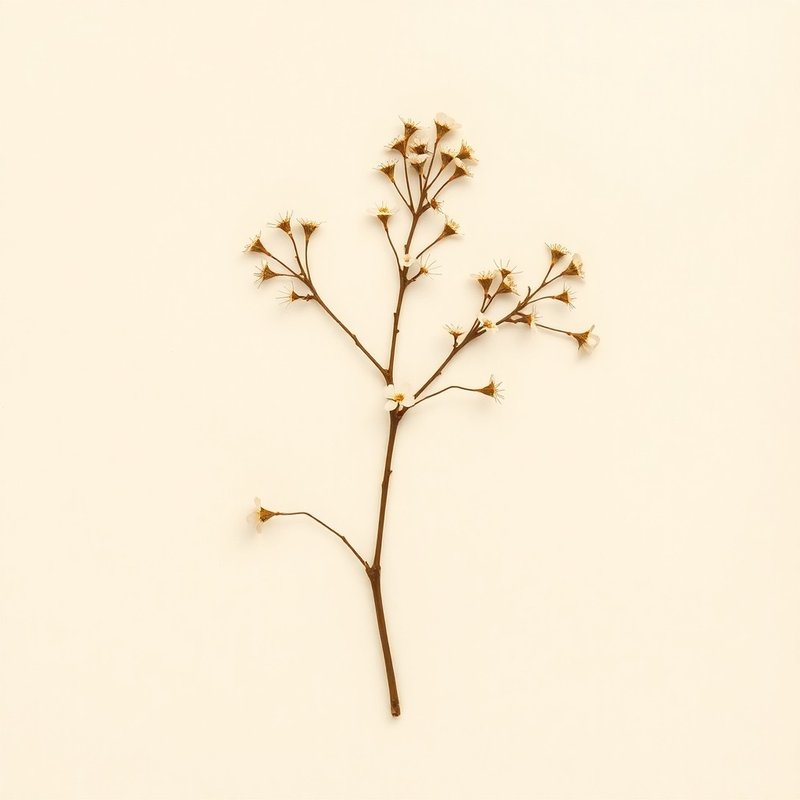
Pl. BB80 — Amelanchier ovalis
Amelanchier ovalisAmelanchier ovalisAmelanchier ovalisAmelanchier ovalisAmelanchier ovalisAmelanchier ovalisAmelanchier ovalisAmelanchier ovalisAmelanchier ovalisAmelanchier ovalisAmelanchier ovalisAmelanchier ovalisAmelanchier ovalisAmelanchier ovalis
IOverview
Overview
Snowy Mespilus, known botanically as Amelanchier ovalis, is a small deciduous shrub or tree native to northeastern and north-central United States and southeastern Canada. It thrives in moist, well-drained soils ranging from light (sandy) to heavy (clay), with a hardiness zone of 5-7. This plant is valued for its edible fruit, which ripens in late summer and can be eaten raw or used in jams and pies. Native to Alabama, Connecticut, Georgia, Illinois, Iowa, Maine, Maryland, Massachusetts, and parts of Canada, Snowy Mespilus prefers full sun but can tolerate partial shade. Its distinctive white flowers in spring and attractive fall foliage make it a desirable ornamental choice for gardens and landscapes.
Quick answers
What is Snowy Mespilus?
Snowy Mespilus, known botanically as Amelanchier ovalis, is a small deciduous shrub or tree native to northeastern and north-central United States and southeastern Canada. It thrives in moist, well-drained soils ranging from light (sandy) to heavy (clay), with a hardiness zone of 5-7.
Growingconditions · propagation · uses
VCultivation
Cultivation
Snowy Mespilus thrives in full sun and prefers moist, light to heavy soil. It is hardy in zones 5-7 and can grow up to 5 meters tall. Propagate via seeds or cuttings. Ensure the plant has adequate moisture while avoiding waterlogged conditions. Given its native range across northeastern and midwestern states, it adapts well to temperate regions. Its fruit is edible and adds a delightful touch to gardens in hardy areas.
Light
Full sun
Water
Moist
Soil
Light (sandy), Medium, Heavy (clay)
Hardiness
5-7
Mature size
5.0 m tall
For first-time growers
How to grow Snowy Mespilus for the first time
7steps
Start with a Snowy Mespilus in your garden for a beginner-friendly project.
- 1
What you'll need
A young Snowy Mespilus sapling, well-draining soil, and a container if planting indoors.
- 2
Best time to plant
Plant in early spring or late fall when the ground is workable but not too wet.
- 3
Soil and container prep
Ensure your soil is light (sandy), medium, or heavy with good drainage. Containers should be at least 30 cm wide and deep.
- 4
Sowing or transplanting
Transplant the sapling carefully, ensuring not to damage the roots. Water thoroughly after planting.
- 5
First two weeks
Keep the soil moist but not waterlogged. Avoid direct sunlight for a few days and place in partial shade.
- 6
Ongoing care
Water regularly during dry spells, especially when fruiting. Fertilize once a year with compost or a balanced fertilizer.
- 7
Harvest or pruning
Prune in late winter to maintain shape and remove dead branches. Harvest the fruits in mid-summer after they turn white.
VIEdible & utility
Edible & utility
Edible parts:Fruit
Edible uses: The Snowy Mespilus fruit is edible and can be enjoyed fresh or used in various preparations. It is commonly eaten raw but can also be cooked into jams, jellies, or pies. The fruits can also be dried for later use. SKIP
Other uses:Lumber
Contextrange · companions · related
VIIDistribution
30 native · 0 introduced
Distribution
30 native · 0 introducedDistribution across2 continents· 30 native
Europe1 region
native (1)Albania
Asia1 region
native (1)Georgia
Broader regions
native:Alabama, Connecticut, Illinois, Iowa, Maine, Maryland, Massachusetts, Michigan, Minnesota, New Brunswick, New Hampshire, New Jersey, New York, Newfoundland, North Carolina, North Dakota, Nova Scotia, Ohio, Ontario, Pennsylvania, Prince Edward I., Québec, Rhode I., South Carolina, Vermont, Virginia, West Virginia, Wisconsin
IXSpecimen gallery
1 image
Specimen gallery
1 imageXI
Explore further
Companion planting
Growing zone
XII
About this entry
- Last updated
- Citation
- How to cite this entry · Submit a correction
Back to the cataloguePlant id · bb807ff6-59f1-489d-b2e1-622d80801599
Decision aid
Choosing between Snowy Mespilus and something else?
Continue reading
❦❦❦❦
Endpaper · archive updates
Get archive updates
Occasional email when substantial new content lands — plant profiles, seasonal growing notes, folk-remedy additions. Free, no tracking, unsubscribe anytime.