
Elephant Yam
Amorphophallus paeoniifolius
Educational content — not medical, botanical, or professional advice. Plant identification, safety, and edibility depend on local conditions, cultivars, and correct identification. Consult a qualified botanist or forager before consuming or handling wild specimens. How we source & review →
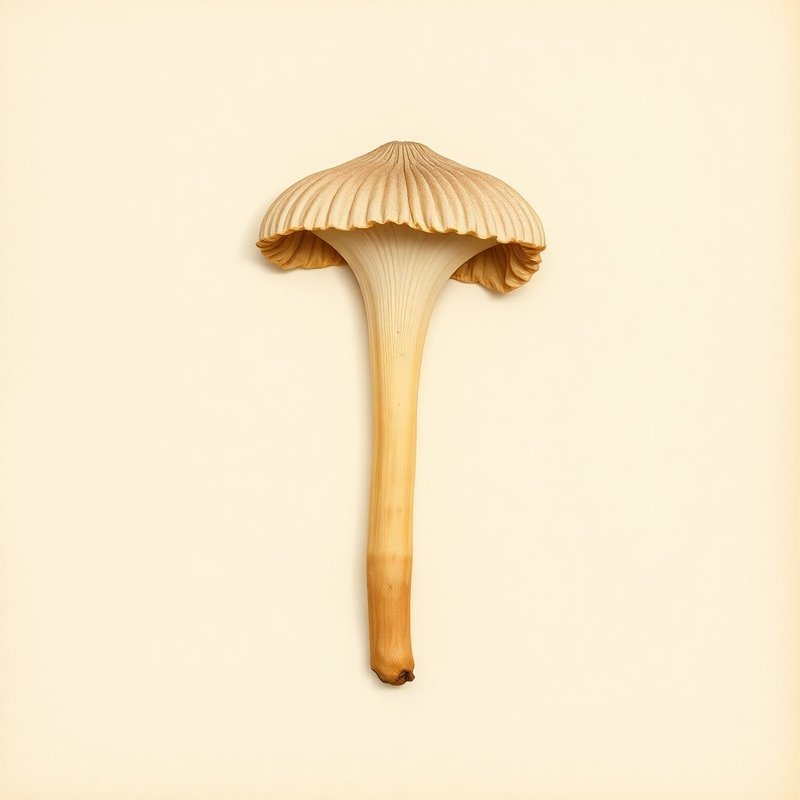
Pl. 5D31 — Amorphophallus paeoniifolius
Amorphophallus paeoniifoliusAmorphophallus paeoniifoliusAmorphophallus paeoniifoliusAmorphophallus paeoniifoliusAmorphophallus paeoniifoliusAmorphophallus paeoniifoliusAmorphophallus paeoniifoliusAmorphophallus paeoniifoliusAmorphophallus paeoniifoliusAmorphophallus paeoniifoliusAmorphophallus paeoniifoliusAmorphophallus paeoniifoliusAmorphophallus paeoniifoliusAmorphophallus paeoniifolius
IOverview
Overview
The Elephant Yam (Amorphophallus paeoniifolius) is a perennial subshrub or shrub native to the tropical and subtropical regions of Southeast Asia, including countries like India, China, and parts of Indonesia. This plant thrives in moist conditions with partial sun to full sun exposure and prefers light to medium soil types. It can grow up to 0.8 meters tall and is known for its edible leaves and roots, making it a valuable food source in its native range. Its distinctive features include its light green foliage resembling peony leaves, contributing to its unique appearance among other plants in the Amorphophallus genus.
Quick answers
What is Elephant Yam?
The Elephant Yam (Amorphophallus paeoniifolius) is a perennial subshrub or shrub native to the tropical and subtropical regions of Southeast Asia, including countries like India, China, and parts of Indonesia.
Growingconditions · propagation · uses
VCultivation
Cultivation
The Elephant Yam (Amorphophallus paeoniifolius) thrives in full to partial sun and requires moist soil that is light or medium in texture. It grows best in zones 11-12, making it suitable for subtropical climates. This perennial subshrub or shrub reaches a height of about 0.8 meters and produces edible leaves and roots. Ensure the soil remains consistently damp but avoid overwatering to prevent root rot. Propagate through division or seed sowing in spring.
Light
Full sun, Partial sun/shade
Water
Moist
Soil
Light (sandy), Medium
Hardiness
11-12
Life cycle
Perennial
Habit
Subshrub, Shrub, Forb/herb
Mature size
0.8 m tall
For first-time growers
How to grow Elephant Yam for the first time
7steps
Start with planting Elephant Yam in a sunny spot and follow these steps for success.
- 1
What you'll need
Elephant Yam bulbs, potting mix suitable for bulbs, containers or garden beds.
- 2
Best time to plant
Plant in spring when the soil is warm and moist.
- 3
Soil and container prep
Use a well-draining potting mix with light sand added. Ensure containers have drainage holes.
- 4
Sowing or transplanting
Place bulbs 5-10 cm deep in the soil, spaced about 30 cm apart. Water thoroughly after planting.
- 5
First two weeks
Keep the soil consistently moist but not waterlogged. Provide partial shade if full sun is too intense.
- 6
Ongoing care
Water regularly to keep the soil moist, especially during active growth. Fertilize with a balanced fertilizer in spring and summer.
- 7
Harvest or pruning
Prune dead leaves to maintain plant health but avoid cutting into the bulb. Harvest roots carefully after 2-3 years when mature.
VIEdible & utility
Edible & utility
Edible parts:LeavesRoot
Edible uses: The elephant yam (Amorphophallus paeoniifolius) is eaten in its native range, including regions like Assam and Bangladesh. Both the leaves and roots are consumed, often prepared by cooking or drying. The plant thrives in moist, light to partial shade conditions, making it adaptable for cultivation where suitable growing conditions can be provided.
Other uses:Fragrance
Contextrange · companions · related
VIIDistribution
25 native · 5 introduced
Distribution
25 native · 5 introducedDistribution across3 continents· 25 native· 5 introduced
Asia11 regions
native (11)BangladeshCambodiaChinaIndiaLaosMyanmarPhilippinesSri LankaTaiwanThailandVietnam
Africa2 regions
introduced (2)ComorosMadagascar
Oceania1 region
introduced (1)Fiji
Broader regions
native:Andaman Is., Borneo, East Himalaya, Hainan, Maluku, Northern Territory, Sulawesi, Sumatera, New Guinea, Jawa, Lesser Sunda Is., Malaya
introduced:Cook Is., Marquesas
IXSpecimen gallery
1 image
Specimen gallery
1 imageXI
Explore further
Companion planting
Growing zone
XII
About this entry
- Last updated
- Citation
- How to cite this entry · Submit a correction
Back to the cataloguePlant id · 5d31fccc-152e-4c8d-a9af-06e1fb3d3437
Decision aid
Choosing between Elephant Yam and something else?
Continue reading
❦❦❦❦
Endpaper · archive updates
Get archive updates
Occasional email when substantial new content lands — plant profiles, seasonal growing notes, folk-remedy additions. Free, no tracking, unsubscribe anytime.