
Skip to content
IIIFolio · plant profile№ B8B5edible
Data provenancePermapeopleTreflePFAFPOWOreviewed 22 Oct 2026methodology → read

Hog Peanut

Amphicarpaea pitcheri
Educational content — not medical, botanical, or professional advice. Plant identification, safety, and edibility depend on local conditions, cultivars, and correct identification. Consult a qualified botanist or forager before consuming or handling wild specimens. How we source & review →
Updated·Quick Q&A →
Garden journal pausedUse profile notes below
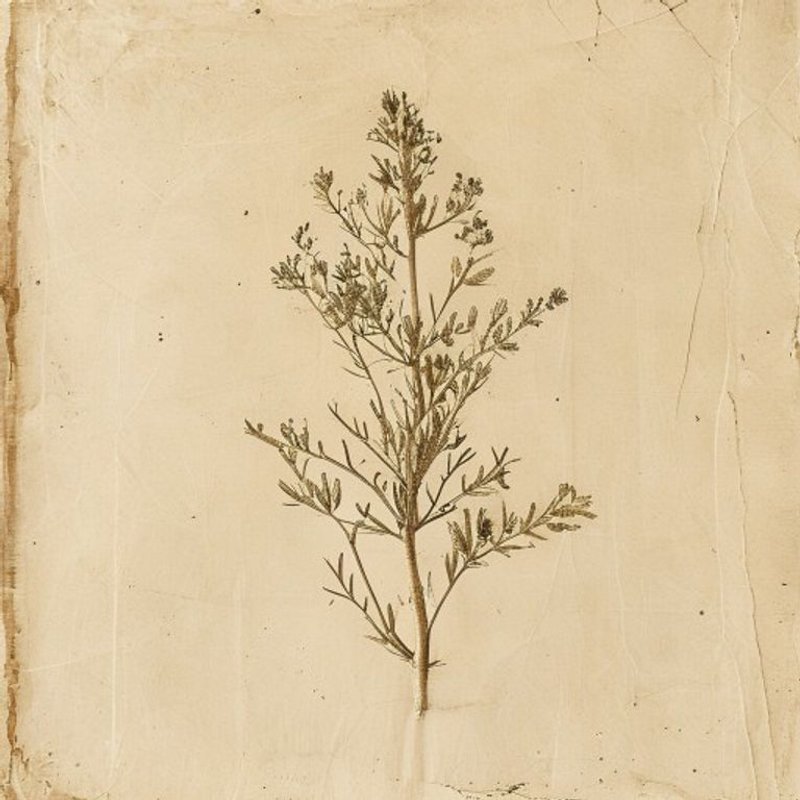
Amphicarpaea pitcheri (Hog Peanut) — botanical photograph
Pl. B8B5 — Amphicarpaea pitcheri
Amphicarpaea pitcheriAmphicarpaea pitcheriAmphicarpaea pitcheriAmphicarpaea pitcheriAmphicarpaea pitcheriAmphicarpaea pitcheriAmphicarpaea pitcheriAmphicarpaea pitcheriAmphicarpaea pitcheriAmphicarpaea pitcheriAmphicarpaea pitcheriAmphicarpaea pitcheriAmphicarpaea pitcheriAmphicarpaea pitcheri
I

Overview

Hog Peanut (Amphicarpaea pitcheri) is a perennial vine native to the eastern United States and parts of Canada, ranging from Alabama to Wisconsin and south into Mexico. This plant thrives in moist environments with partial sun to full shade and can be found growing in light, medium, or heavy soils. Known for its edible root and seed, Hog Peanut is valued as both a food source and an ornamental addition to gardens due to its distinctive climbing habit and attractive flowers. Its ability to produce two types of fruit—above-ground pods and underground tubers—makes it a unique and interesting species in botanical contexts. Typically, the roots are dug up and eaten raw or cooked, while the seeds can also be harvested and prepared in similar manners, providing a nutritious addition to meals. Hog Peanut is a nitrogen fixer, making it useful in gardens and agricultural settings. While primarily used for its edible and ornamental value, it is also a valuable plant for its ecological role in improving soil fertility. Due to its native status, Hog Peanut plays an important role in local ecosystems and is often found in diverse habitats such as forests, woodlands, and along riverbanks.

Quick answers

What is Hog Peanut?

Hog Peanut (Amphicarpaea pitcheri) is a perennial vine native to the eastern United States and parts of Canada, ranging from Alabama to Wisconsin and south into Mexico. This plant thrives in moist environments with partial sun to full shade and can be found growing in light, medium, or heavy soils.

Growingconditions · propagation · uses
V

Cultivation

Hog Peanut thrives in partial sun to full shade and prefers moist soil that is light (sandy), medium, or heavy (clay). It can grow up to 1.5 meters tall and is a perennial. The plant is hardy in temperate regions and is native to parts of the eastern United States and Mexico. For propagation, it can be grown from seeds. Ensure the soil remains consistently moist for best results.
Light
Partial sun/shade, Full shade
Water
Moist
Soil
Light (sandy), Medium, Heavy (clay)
Life cycle
Perennial
Mature size
1.5 m tall
VI

Edible & utility

Edible parts:RootSeed
Edible uses: The Hog Peanut is edible and its root and seed can be consumed. Typically, the roots are dug up and eaten raw or cooked. Seeds can also be harvested and prepared in similar manners, providing a nutritious addition to meals.
Other uses:Nitrogen fixer
Contextrange · companions · related
VII

Distribution

45 native · 0 introduced
Distribution across1 continent· 45 native
Asia1 region
native (1)Georgia
Broader regions
native:Alabama, Arkansas, Connecticut, Delaware, Florida, Illinois, Indiana, Iowa, Kansas, Kentucky, Louisiana, Maine, Manitoba, Maryland, Masachusettes, Massachusetts, Mexico Central, Mexico Gulf, Michigan, Minnesota, Mississippi, Missouri, Nebraska, New Brunswick, New Hampshire, New Jersey, New York, North Carolina, North Dakota, Nova Scotia, Ohio, Oklahoma, Ontario, Pennsylvania, Québec, Rhode I., South Carolina, South Dakota, Tennessee, Texas, Vermont, Virginia, West Virginia, Wisconsin
IX

Specimen gallery

1 image
Amphicarpaea pitcheri (Hog Peanut) — botanical photograph
Hog Peanut (Amphicarpaea pitcheri)
XI

Explore further

XII

About this entry

Last updated
Citation
How to cite this entry · Submit a correction
Back to the cataloguePlant id · b8b542a8-b0e8-469d-8321-ab976682270d
Decision aid
Choosing between Hog Peanut and something else?
Compare with another plant

Continue reading

❦❦❦❦
Endpaper · archive updates

Get archive updates

Occasional email when substantial new content lands — plant profiles, seasonal growing notes, folk-remedy additions. Free, no tracking, unsubscribe anytime.

Newsletter returning soon.
We are rebuilding the update list around a lightweight editorial workflow. New dispatches will resume after the next content review cycle.
iCare notes