
Pyramidal Orchid
Anacamptis pyramidalis
Educational content — not medical, botanical, or professional advice. Plant identification, safety, and edibility depend on local conditions, cultivars, and correct identification. Consult a qualified botanist or forager before consuming or handling wild specimens. How we source & review →
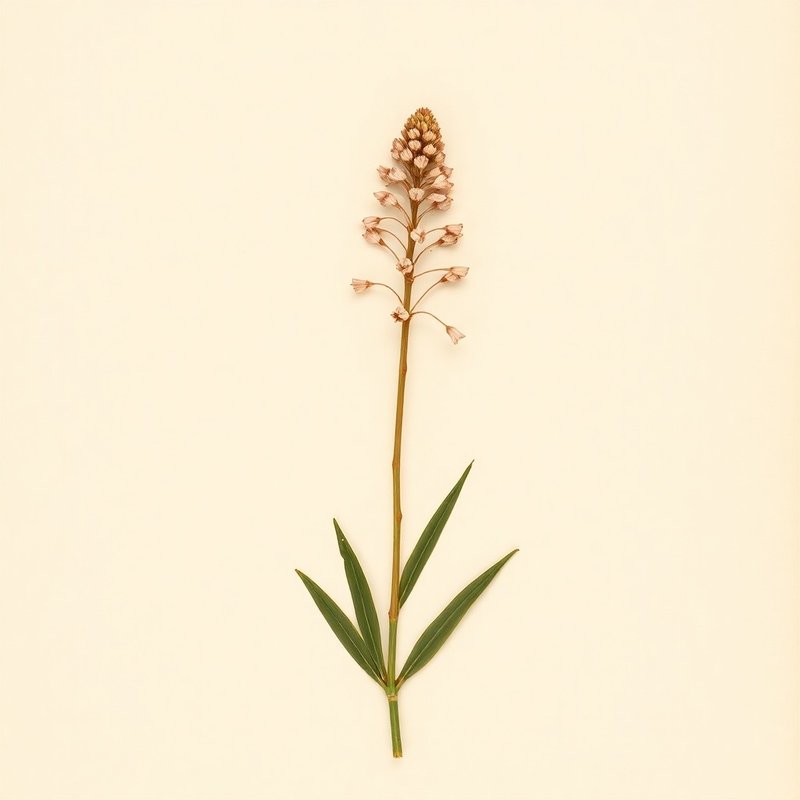
Pl. 46B4 — Anacamptis pyramidalis
Anacamptis pyramidalisAnacamptis pyramidalisAnacamptis pyramidalisAnacamptis pyramidalisAnacamptis pyramidalisAnacamptis pyramidalisAnacamptis pyramidalisAnacamptis pyramidalisAnacamptis pyramidalisAnacamptis pyramidalisAnacamptis pyramidalisAnacamptis pyramidalisAnacamptis pyramidalisAnacamptis pyramidalis
IOverview
Overview
The Pyramidal Orchid (Anacamptis pyramidalis) is a perennial plant native to central and southern Europe, as well as parts of North Africa and the Middle East. It thrives in various habitats including grasslands, meadows, and rocky areas, often found in light or medium soil that can be dry to moist. Known for its edible roots, this orchid has been utilized by local communities for culinary purposes. One distinctive feature is its pyramidal inflorescence, which gives the plant its name, while another notable characteristic is its preference for alkaline soils with a pH of 8–9. Its native range includes Albania, Algeria, Austria, and other countries in Europe, making it a hardy species that can withstand temperatures from zones 5 to 9.
Quick answers
What is Pyramidal Orchid?
The Pyramidal Orchid (Anacamptis pyramidalis) is a perennial plant native to central and southern Europe, as well as parts of North Africa and the Middle East. It thrives in various habitats including grasslands, meadows, and rocky areas, often found in light or medium soil that can be dry to moist.
Growingconditions · propagation · uses
VCultivation
Cultivation
Pyramidal Orchid thrives in light to medium soil that can be sandy, loamy, or clayey, with a preference for a pH of 8-9. It requires dry to moist conditions and prefers partial shade to full sun. Hardy in zones 5-9, this perennial grows up to 0.3 meters tall. For propagation, division is effective. Edible parts include the roots, which can be harvested after the plant has established itself.
Light
8/10
Water
Dry, Moist
Soil
Light (sandy), Medium, Heavy (clay)
Hardiness
5-9
Life cycle
Perennial
Mature size
0.3 m tall
Soil pH
8–9
Seasonal calendar
Northern hemisphere · UTC month is September
winterspringsummerautumnwinter
BloomJFMAMJJASOND
For first-time growers
How to grow Pyramidal Orchid for the first time
8steps
Start with a simple planting of Pyramidal Orchid to gain experience in orchid care.
- 1
What you'll need
A small Pyramidal Orchid plant or seeds, suitable soil mix, and a pot or garden bed.
- 2
Best time to plant
Plant in spring when the weather starts warming up, avoiding extreme heat.
- 3
Soil and container prep
Use well-draining soil with a pH of 8-9. For containers, ensure they have drainage holes.
- 4
Sowing or transplanting
Transplant young plants carefully to avoid damaging roots. Sow seeds in the spring if starting from seed.
- 5
First two weeks
Keep soil moist but not waterlogged. Place in a bright, indirect light location.
- 6
Ongoing care
Water when the top inch of soil feels dry and provide partial shade during hot summer months.
- 7
Harvest or pruning
Prune dead flowers to encourage new growth. Avoid cutting into the main stem unless necessary.
- 8
Common mistakes
Overwatering, using incorrect soil pH, and exposing plants to direct sunlight are common pitfalls.
VIEdible & utility
Edible & utility
Edible parts:Root
Edible uses: Drink
Other uses:Fragrance
Contextrange · companions · related
VIIDistribution
30 native · 0 introduced
Distribution
30 native · 0 introducedDistribution across3 continents· 30 native
Europe19 regions
native (19)AlbaniaAustriaBelgiumBulgariaCyprusDenmarkFranceGermanyGreeceHungaryIrelandItalyNetherlandsPolandPortugalRussiaSpainUkraineUnited Kingdom
Asia3 regions
native (3)IranIraqPalestine
Africa2 regions
native (2)AlgeriaMorocco
Broader regions
native:Baltic States, Czechoslovakia, East Aegean Is., Kriti, Lebanon-Syria
IXSpecimen gallery
1 image
Specimen gallery
1 imageXI
Explore further
Companion planting
Growing zone
XII
About this entry
- Last updated
- Citation
- How to cite this entry · Submit a correction
Back to the cataloguePlant id · 46b4b0a9-09e1-43a0-99ba-66a23a621cec
Decision aid
Choosing between Pyramidal Orchid and something else?
Continue reading
❦❦❦❦
Endpaper · archive updates
Get archive updates
Occasional email when substantial new content lands — plant profiles, seasonal growing notes, folk-remedy additions. Free, no tracking, unsubscribe anytime.