
Cao Yu Mei
IOverview
Overview
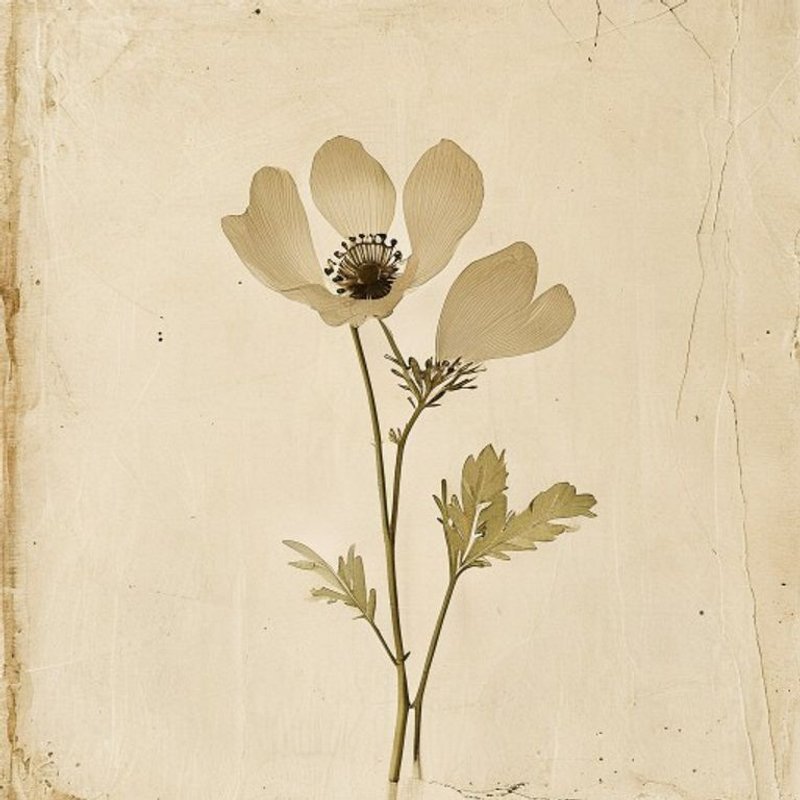
Cao Yu Mei, scientifically known as Anemone rivularis, is a perennial plant native to regions including Assam, China North-Central and South-Central, East and West Himalaya, India, Inner Mongolia, Laos, Myanmar, Nepal, Qinghai, Sumatera, Tibet, and Vietnam. This adaptable plant thrives in moist conditions and prefers light or partial shade, making it suitable for various environments within its native range. Known for both its ornamental value and edibility, Cao Yu Mei is often cultivated for its attractive flowers while also being used as a food source. One distinctive feature of this plant is its ability to grow up to 0.6 meters in height, adding a touch of color and texture to gardens or natural landscapes. The seeds of Cao Yu Mei are edible and can be consumed raw or roasted, providing a light, nutty flavor when eaten directly from the plant or incorporated into various dishes. This plant is hardy in zones 6-9 and is not drought-resistant, requiring consistent moisture for optimal growth. While primarily valued for its ornamental and culinary uses, Cao Yu Mei is also native to countries such as Sri Lanka, where it has been introduced. Its presence in diverse regions highlights the adaptability of this plant, making it a versatile addition to gardens or natural settings.
What is Cao Yu Mei?
Cao Yu Mei, scientifically known as Anemone rivularis, is a perennial plant native to regions including Assam, China North-Central and South-Central, East and West Himalaya, India, Inner Mongolia, Laos, Myanmar, Nepal, Qinghai, Sumatera, Tibet, and Vietnam.
VCultivation
Cultivation
How to grow Cao Yu Mei for the first time
Start with Cao Yu Mei by ensuring you have the right conditions and care, making it a manageable project for beginners.
- 1
What you'll need
Seeds or small plants, a garden fork, a trowel.
- 2
Best time to plant
Plant in early spring or late fall when the soil is moist and cool.
- 3
Soil and container prep
Choose a location with partial sun to full shade. Ensure the soil is light, well-draining, and slightly acidic.
- 4
Sowing or transplanting
Direct sow seeds in the ground or start them indoors 8-10 weeks before planting outside. Transplant young plants carefully.
- 5
First two weeks
Water regularly to keep the soil moist but not waterlogged. Avoid direct sunlight during this period.
- 6
Ongoing care
Provide consistent moisture, especially in dry periods. Fertilize sparingly with a balanced fertilizer once or twice a year.
- 7
Harvest or pruning
Prune dead foliage to maintain the plant's health and appearance. Avoid harvesting as it may affect the plant’s growth.
- 8
Common mistakes
Overwatering, planting in full sun, neglecting to prune dead leaves.
VIEdible & utility
Edible & utility
VIIDistribution
14 native · 1 introduced
Distribution
14 native · 1 introducedIXSpecimen gallery
1 image
Specimen gallery
1 imageExplore further
About this entry
- Last updated
- Citation
- How to cite this entry · Submit a correction
Continue reading
Get archive updates
Occasional email when substantial new content lands — plant profiles, seasonal growing notes, folk-remedy additions. Free, no tracking, unsubscribe anytime.