
Skip to content
IIIFolio · plant profile№ A10Bedible
Data provenancePermapeopleTrefleWikipediaPFAFPOWOreviewed 17 Oct 2026methodology → read

Madeira Vine

Anredera cordifolia
Educational content — not medical, botanical, or professional advice. Plant identification, safety, and edibility depend on local conditions, cultivars, and correct identification. Consult a qualified botanist or forager before consuming or handling wild specimens. How we source & review →
edibleperennialvinesedible
Updated·Quick Q&A →
Garden journal pausedUse profile notes below
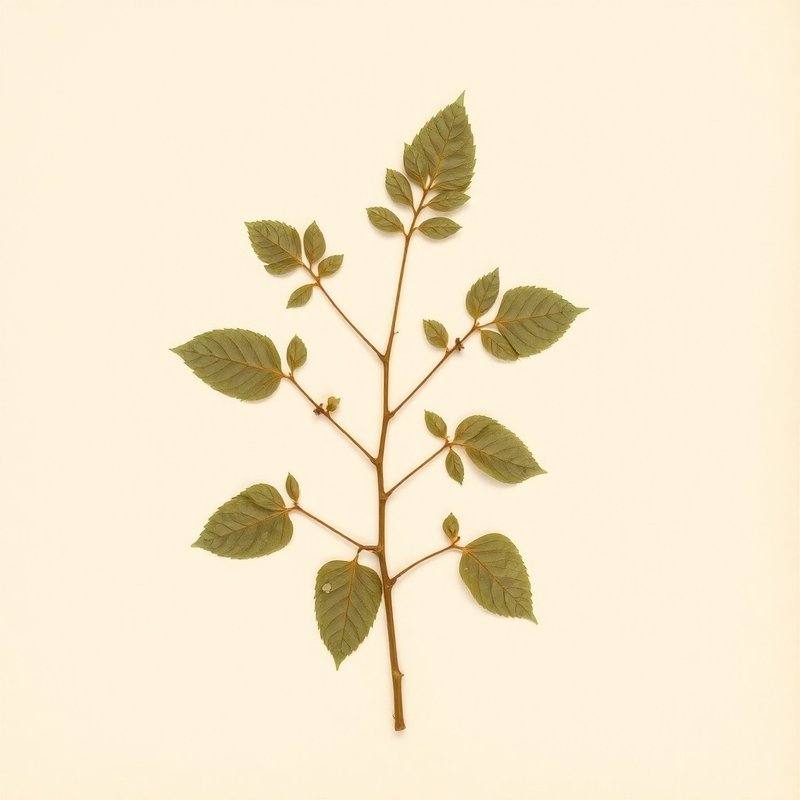
Anredera cordifolia (Madeira Vine) — botanical photograph
Pl. A10B — Anredera cordifolia
Anredera cordifoliaAnredera cordifoliaAnredera cordifoliaAnredera cordifoliaAnredera cordifoliaAnredera cordifoliaAnredera cordifoliaAnredera cordifoliaAnredera cordifoliaAnredera cordifoliaAnredera cordifoliaAnredera cordifoliaAnredera cordifoliaAnredera cordifolia
I

Overview

Madeira Vine (Anredera cordifolia) is a perennial vine and herb belonging to the Basellaceae family. Native to regions including Argentina, Bolivia, Brazil, Colombia, Ecuador, Paraguay, Peru, Uruguay, and Venezuela, this plant can grow up to 9 meters tall. Thriving in a variety of soil types—ranging from light (sandy) to heavy (clay)—Madeira Vine prefers moist conditions and can tolerate full or partial sun exposure. Its robust growth habit and adaptability make it a versatile addition to gardens and landscapes. Edible and ornamental, Madeira Vine's leaves and roots are commonly consumed in local cuisines. The leaves can be eaten raw or cooked, adding a mild flavor to dishes, while the roots require preparation before consumption. This vine is known for its fragrance and can be used in landscaping for its aesthetic appeal. However, it has the potential to become invasive in some areas, so careful consideration is advised when introducing it to new regions. Madeira Vine's distinctive feature is its fast growth and ability to thrive in diverse climates. It has been introduced to numerous locations, including parts of Africa, Asia, and Oceania, where it has adapted well. Its native range across South America and adaptability to warm temperate regions make it a valuable plant for gardeners and horticulturists. While not medicinal, its edible and ornamental qualities make it a useful addition to both culinary and ornamental plant collections.

Quick answers

What is Madeira Vine?

Madeira Vine (Anredera cordifolia) is a perennial vine and herb belonging to the Basellaceae family. Native to regions including Argentina, Bolivia, Brazil, Colombia, Ecuador, Paraguay, Peru, Uruguay, and Venezuela, this plant can grow up to 9 meters tall.

Growingconditions · propagation · uses
V

Cultivation

Madeira Vine thrives in full to partial sun and prefers moist soil that is light (sandy), medium, or heavy (clay). It is hardy in zones 8-11 and can grow up to 9 meters as a perennial vine or herb. Propagate via cuttings or division. Given its native range across South America, it adapts well to warm temperate regions but may require protection from frost. Regular watering is essential for maintaining healthy growth.
Light
Full sun, Partial sun/shade
Water
Moist
Soil
Light (sandy), Medium, Heavy (clay)
Hardiness
8-11
Life cycle
Perennial
Habit
Vine, Forb/herb
Mature size
9.0 m tall
For first-time growers

How to grow Madeira Vine for the first time

8steps

Start with a simple, low-maintenance vine that will thrive in most beginner-friendly conditions.

  1. 1

    What you'll need

    Seeds or cuttings, potting soil, containers, and a trellis.

  2. 2

    Best time to plant

    Plant Madeira Vine during spring when temperatures are mild.

  3. 3

    Soil and container prep

    Use well-draining soil in containers. Ensure pots have drainage holes.

  4. 4

    Sowing or transplanting

    Start seeds indoors, then transplant to outdoor containers once the weather warms up.

  5. 5

    First two weeks

    Keep the soil consistently moist and place the plant in a partially shaded area.

  6. 6

    Ongoing care

    Water regularly, especially during dry spells. Provide support for climbing with a trellis or stakes.

  7. 7

    Harvest or pruning

    Prune to maintain shape and remove dead or damaged vines as needed.

  8. 8

    Common mistakes

    Overwatering, planting in heavy soil, not providing enough support, neglecting to prune.

VI

Edible & utility

Edible parts:LeavesRoot
Edible uses: The Madeira Vine's leaves and roots are edible. Typically, the leaves can be eaten raw or cooked in various dishes. The roots may also be consumed but require preparation before eating. Both parts add a mild flavor to meals.
Other uses:Fragrance
Contextrange · companions · related
VII

Distribution

11 native · 54 introduced
Distribution across5 continents· 11 native· 54 introduced
Europe4 regions
introduced (4)FranceItalyPortugalSpain
Asia6 regions
introduced (6)ChinaIndiaJapanSri LankaThailandYemen
Americas14 regions
native (7)BoliviaColombiaEcuadorParaguayPeruUruguayVenezuela
introduced (7)BahamasCosta RicaEl SalvadorGuatemalaHondurasPuerto RicoUnited States
Africa6 regions
introduced (6)EritreaEswatiniEthiopiaLesothoMoroccoTunisia
Oceania1 region
introduced (1)New Caledonia
Broader regions
native:Argentina Northeast, Argentina Northwest, Brazil South, Brazil Southeast
introduced:California, Cape Provinces, Cook Is., Easter Is., Florida, Juan Fernández Is., Kermadec Is., Kriti, KwaZulu-Natal, Louisiana, Mexico Northeast, Mexico Southeast, Mexico Southwest, New Zealand North, New Zealand South, Niue, Norfolk Is., Northern Provinces, Pitcairn Is., Society Is., St.Helena, Tasmania, Texas, Yugoslavia
IX

Specimen gallery

1 image
Anredera cordifolia (Madeira Vine) — botanical photograph
Madeira Vine (Anredera cordifolia)
XI

Explore further

XII

About this entry

Last updated
Citation
How to cite this entry · Submit a correction
Back to the cataloguePlant id · a10bbb6f-db8b-4042-bc73-383f92831264
Decision aid
Choosing between Madeira Vine and something else?
Compare with another plant

Continue reading

❦❦❦❦
Endpaper · archive updates

Get archive updates

Occasional email when substantial new content lands — plant profiles, seasonal growing notes, folk-remedy additions. Free, no tracking, unsubscribe anytime.

Newsletter returning soon.
We are rebuilding the update list around a lightweight editorial workflow. New dispatches will resume after the next content review cycle.
iCare notes