
Water Hawthorn
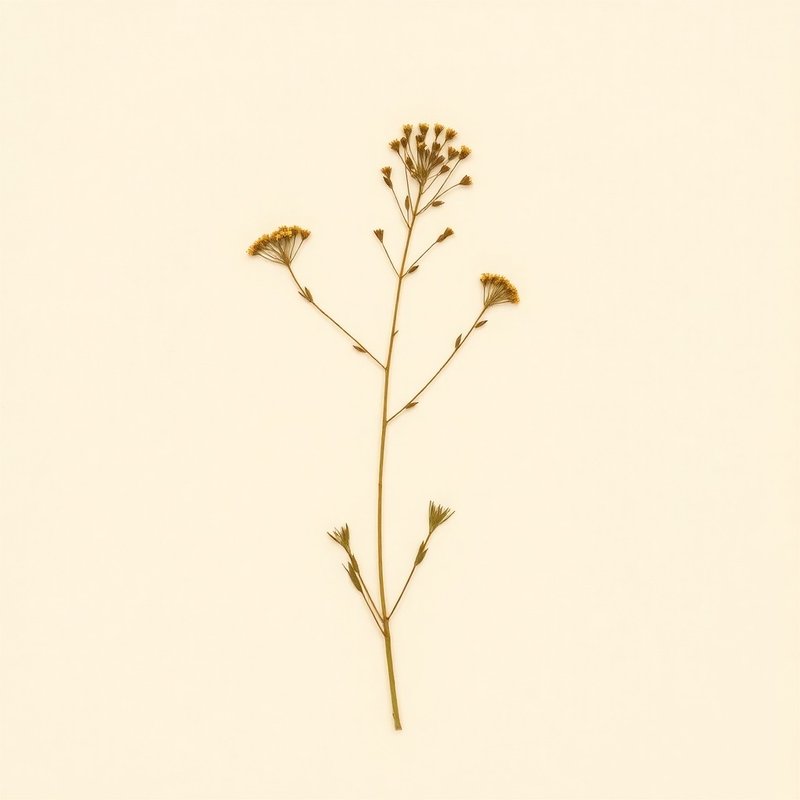
IOverview
Overview
Water Hawthorn (Aponogeton distachyos) is a perennial herb native to the Cape Provinces of South Africa. This plant thrives in wet environments, making it suitable for areas with ample water and light to heavy clay soil. It prefers a pH between 6.5 and 7 and can tolerate hardiness zones 8-11. The Water Hawthorn is known for its edible parts, including flowers, roots, shoots, and stems, which can be consumed fresh or cooked. Its ability to grow in waterlogged conditions makes it an attractive ornamental addition to ponds or bog gardens. The plant's distinctive feature is its capacity to thrive in wet environments, which also supports its cultivation as a sustainable food source. Water Hawthorn has been introduced into various regions including California, France, Great Britain, New Zealand North and South, Northern Provinces, Tasmania, and Victoria, where it continues to be valued for both its ornamental and edible qualities. While the plant is not medicinal according to current data, its edible parts offer a unique addition to gardens and culinary practices. When handling or consuming any part of this plant, caution should be exercised as no specific safety claims are supported by the provided data.
What is Water Hawthorn?
Water Hawthorn (Aponogeton distachyos) is a perennial herb native to the Cape Provinces of South Africa. This plant thrives in wet environments, making it suitable for areas with ample water and light to heavy clay soil. It prefers a pH between 6.
VCultivation
Cultivation
How to grow Water Hawthorn for the first time
Start with basic care and enjoy the process of growing Water Hawthorn as a beginner.
- 1
What you'll need
A container, suitable soil, water, and patience.
- 2
Best time to plant
Plant in spring or early summer for best results.
- 3
Soil and container prep
Use a pot with good drainage. Fill it with light, medium, or heavy soil within the pH range of 6.5–7.
- 4
Sowing or transplanting
Transplant mature plants from your garden or purchase young ones from a nursery.
- 5
First two weeks
Keep the soil consistently moist and provide plenty of water to help establish the plant.
- 6
Ongoing care
Ensure the container has enough water. Fertilize lightly during the growing season.
- 7
Harvest or pruning
Prune dead leaves and stems to maintain a neat appearance and encourage new growth.
- 8
Common mistakes
Overwatering, using incorrect soil pH, neglecting regular pruning, not providing enough light, and failing to fertilize.
VIEdible & utility
Edible & utility
VIIDistribution
1 native · 8 introduced
Distribution
1 native · 8 introducedIXSpecimen gallery
1 image
Specimen gallery
1 imageExplore further
About this entry
- Last updated
- Citation
- How to cite this entry · Submit a correction
Continue reading
Get archive updates
Occasional email when substantial new content lands — plant profiles, seasonal growing notes, folk-remedy additions. Free, no tracking, unsubscribe anytime.