
Aquilegia coerulea
IOverview
Overview
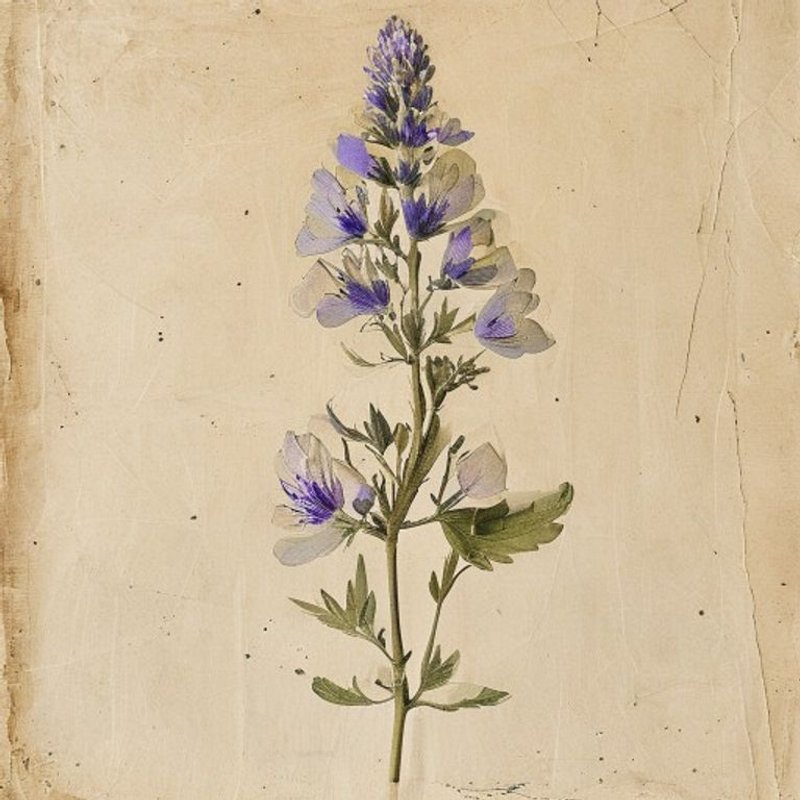
Aquilegia coerulea, commonly known as Colorado blue columbine, is a perennial forb native to the western United States, including Arizona, Colorado, Idaho, Montana, Nevada, New Mexico, Utah, and Wyoming. This plant thrives in moist environments with light to partial sun exposure and prefers well-draining soil types such as sandy or medium-textured soils. Known for its ornamental value, it also offers edible benefits, particularly its flowers which can be used in culinary applications. One distinctive feature of this plant is its striking blue or purple petals, often accompanied by delicate white sepals that form a graceful bell shape.
What is Aquilegia coerulea?
Aquilegia coerulea, commonly known as Colorado blue columbine, is a perennial forb native to the western United States, including Arizona, Colorado, Idaho, Montana, Nevada, New Mexico, Utah, and Wyoming.
VCultivation
Cultivation
How to grow Aquilegia coerulea for the first time
Start with Aquilegia coerulea for a low-maintenance, beginner-friendly perennial.
- 1
What you'll need
A packet of Aquilegia coerulea seeds or small plants, a trowel, and mulch.
- 2
Best time to plant
Plant in spring after the last frost or in fall before the first freeze.
- 3
Soil and container prep
Ensure soil is well-draining with a pH between 6.0 and 7.5; prepare containers with light, medium soil.
- 4
Sowing or transplanting
Direct sow seeds in the garden or start small plants indoors 4-6 weeks before planting outside.
- 5
First two weeks
Water regularly to keep the soil moist; mulch around the base for added moisture retention.
- 6
Ongoing care
Provide partial sun and water when the top inch of soil feels dry. Deadhead spent flowers to encourage more blooms.
- 7
Harvest or pruning
Prune dead leaves and stems in late winter to maintain plant health; cut back after flowering if needed.
- 8
Common mistakes
Overwatering, planting in heavy soil, neglecting to mulch, not providing enough partial shade.
VIEdible & utility
Edible & utility
VIIDistribution
8 native · 0 introduced
Distribution
8 native · 0 introducedIXSpecimen gallery
1 image
Specimen gallery
1 imageExplore further
About this entry
- Last updated
- Citation
- How to cite this entry · Submit a correction
Continue reading
Get archive updates
Occasional email when substantial new content lands — plant profiles, seasonal growing notes, folk-remedy additions. Free, no tracking, unsubscribe anytime.