
Aquilegia flavescens
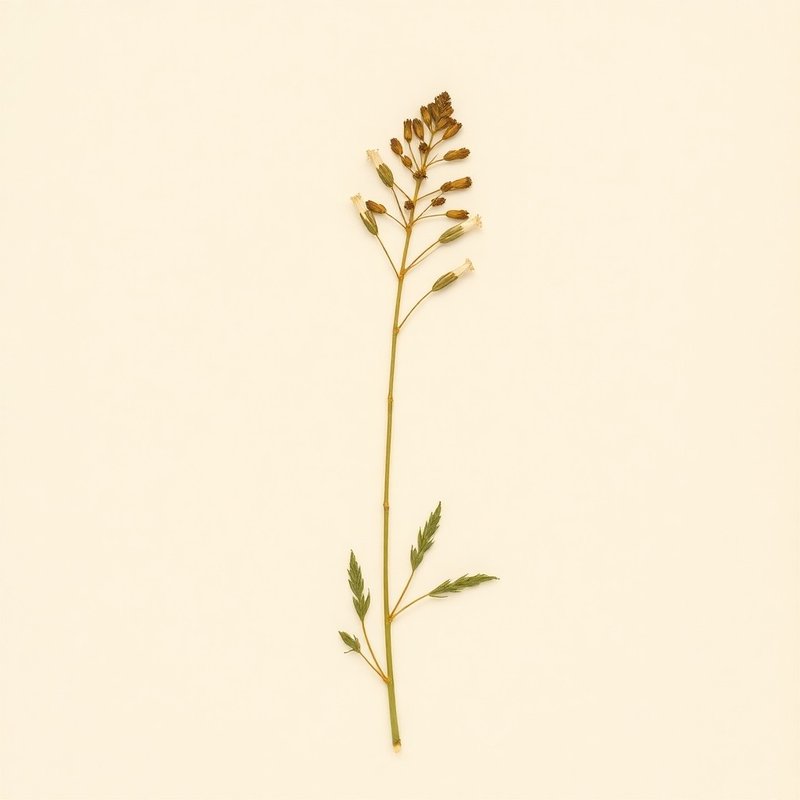
IOverview
Overview
Aquilegia flavescens, commonly known as yellow columbine, is a perennial forb native to the western regions of North America, including Alberta, British Columbia, Idaho, Montana, Oregon, Utah, Washington, and Wyoming. This plant thrives in light to medium soil, particularly in moist conditions, and can tolerate partial sun to full shade. Growing up to 0.8 meters tall, yellow columbine is a hardy perennial with a hardiness zone of 4-8, making it well-suited to the climate of its native regions. The flowers of Aquilegia flavescens are edible and can be used in various culinary applications. They are often picked fresh and added to salads for a decorative touch and a mild, sweet flavor. Occasionally, the flowers are used in teas or infused into syrups. For a stronger floral taste, consider drying or lightly cooking the flowers to enhance their natural sweetness. While the plant is not medicinal, its edible flowers make it a valuable addition to gardens and culinary dishes. Yellow columbine's distinctive yellow blooms with red spurs make it an ornamental addition to gardens, providing a striking visual appeal. Its ability to attract pollinators also makes it useful for pest control in the garden. This plant is native to its growing regions and can be propagated via division or seed, ensuring its continued presence in gardens and natural landscapes.
What is Aquilegia flavescens?
Aquilegia flavescens, commonly known as yellow columbine, is a perennial forb native to the western regions of North America, including Alberta, British Columbia, Idaho, Montana, Oregon, Utah, Washington, and Wyoming.
VCultivation
Cultivation
How to grow Aquilegia flavescens for the first time
Start with Aquilegia flavescens as a simple, low-maintenance perennial for your garden.
- 1
What you'll need
A packet of Aquilegia flavescens seeds or small plants, a trowel, and mulch.
- 2
Best time to plant
Plant in early spring after the last frost or in fall before the first freeze.
- 3
Soil and container prep
Ensure soil is well-draining with a pH between 6.0 and 7.5; amend as needed.
- 4
Sowing or transplanting
Direct sow seeds in the garden after danger of frost, or start indoors 8 weeks before planting outside.
- 5
First two weeks
Water regularly to keep soil moist but not waterlogged; mulch around plants to retain moisture.
- 6
Ongoing care
Provide partial sun and regular watering. Deadhead spent flowers for better appearance and more blooms.
- 7
Harvest or pruning
Prune dead leaves and stems in late winter to maintain plant health; cut back after flowering if needed.
- 8
Common mistakes
Overwatering, planting in full sun, neglecting to mulch, not deadheading spent flowers.
VIEdible & utility
Edible & utility
VIIDistribution
8 native · 0 introduced
Distribution
8 native · 0 introducedIXSpecimen gallery
1 image
Specimen gallery
1 imageExplore further
About this entry
- Last updated
- Citation
- How to cite this entry · Submit a correction
Continue reading
Get archive updates
Occasional email when substantial new content lands — plant profiles, seasonal growing notes, folk-remedy additions. Free, no tracking, unsubscribe anytime.