
Skip to content
IIIFolio · plant profile№ E36Aedible
Data provenancePermapeopleTrefleWikipediaPFAFPOWOreviewed 14 Oct 2026methodology → read

Columbine

Aquilegia vulgaris
Educational content — not medical, botanical, or professional advice. Plant identification, safety, and edibility depend on local conditions, cultivars, and correct identification. Consult a qualified botanist or forager before consuming or handling wild specimens. How we source & review →
Updated·Quick Q&A →
Garden journal pausedUse profile notes below
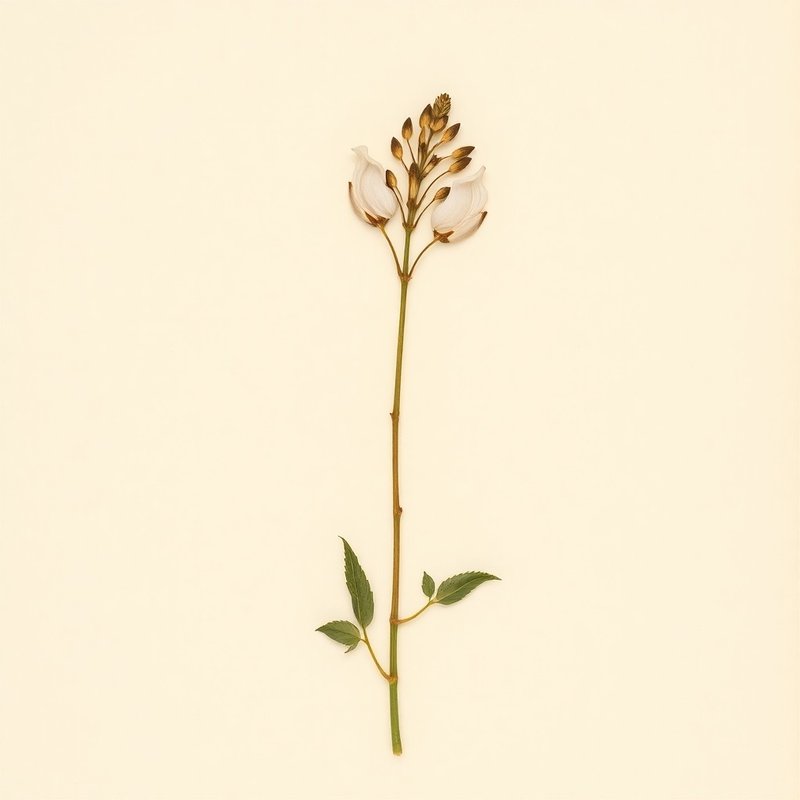
Aquilegia vulgaris (Columbine) — botanical photograph
Pl. E36A — Aquilegia vulgaris
Aquilegia vulgarisAquilegia vulgarisAquilegia vulgarisAquilegia vulgarisAquilegia vulgarisAquilegia vulgarisAquilegia vulgarisAquilegia vulgarisAquilegia vulgarisAquilegia vulgarisAquilegia vulgarisAquilegia vulgarisAquilegia vulgarisAquilegia vulgaris
I

Overview

Columbine (Aquilegia vulgaris) is a perennial herb that thrives in moist, light to medium soils with a pH of 7-7.5, making it adaptable to a variety of growing conditions. Native to regions including Albania, Austria, and parts of Eastern Europe, it has spread to many European countries such as Belgium, France, and Italy. Known for its ornamental value, this plant also offers edible benefits, with its flowers being the part used in culinary applications. One distinctive feature is its spurred petals that resemble a bird's claw, earning it the name "columbine," which means dove or pigeon. Another notable characteristic is its light requirement, thriving best in areas with partial shade to full sun. Columbine can grow up to 1 meter tall and is hardy in temperate regions from zones 3 to 9. It is a valuable addition to gardens for its aesthetic appeal and can be propagated by division or seed sowing. The plant's flowers, which are particularly blue in color, can be harvested for use in teas or other culinary applications. While not medicinal, its introduction to new regions such as Argentina, Azores, and various parts of North America has made it a popular ornamental plant in gardens and landscapes.

Quick answers

What is Columbine?

Columbine (Aquilegia vulgaris) is a perennial herb that thrives in moist, light to medium soils with a pH of 7-7.5, making it adaptable to a variety of growing conditions.

Growingconditions · propagation · uses
V

Cultivation

Columbine (Aquilegia vulgaris) thrives in moist, well-drained soils with a pH of 7 to 7.5 and prefers light (sandy) or medium soil types. It is hardy in temperate regions from zones 3 to 9 and can grow up to 1 meter tall as a perennial forb/herb. For optimal growth, it requires full sun to partial shade. Columbine can be propagated by division or seed sowing. Harvest its edible flowers for culinary use.
Light
6/10
Water
Moist
Soil
Light (sandy), Medium
Hardiness
3-9
Life cycle
Perennial
Habit
Forb/herb
Mature size
1.0 m tall
Soil pH
7–7.5
For first-time growers

How to grow Columbine for the first time

8steps

Start with easy care and enjoy the colorful blooms of Columbine.

  1. 1

    What you'll need

    Columbine seeds or young plants, a garden fork, compost, and mulch.

  2. 2

    Best time to plant

    Plant in spring after the last frost or in fall before the first freeze.

  3. 3

    Soil and container prep

    Choose a spot with partial shade and well-draining soil. Amend the soil with compost if needed.

  4. 4

    Sowing or transplanting

    Direct sow seeds in early spring, covering them lightly. Alternatively, plant young seedlings in the garden after danger of frost has passed.

  5. 5

    First two weeks

    Water regularly to keep soil moist but not waterlogged. Keep an eye out for pests and diseases.

  6. 6

    Ongoing care

    Provide light watering during dry spells, especially in the first year. Deadhead spent flowers to encourage more blooms.

  7. 7

    Harvest or pruning

    Prune dead leaves and stems after flowering to maintain plant health and appearance.

  8. 8

    Common mistakes

    Overwatering, planting in full sun, neglecting to deadhead.

VI

Edible & utility

Edible parts:Flowers
Edible uses: Tea
Other uses:Pest controlFragrance
Contextrange · companions · related
VII

Distribution

25 native · 56 introduced
Distribution across3 continents· 25 native· 56 introduced
Europe27 regions
native (19)AlbaniaAustriaBelarusBelgiumBulgariaFranceGermanyGreeceHungaryIrelandItalyNetherlandsPolandPortugalRomaniaRussiaSpainSwitzerlandUnited Kingdom
introduced (8)DenmarkFinlandNorwayPortugalRussiaSpainSwedenUkraine
Asia2 regions
introduced (2)GeorgiaUzbekistan
Americas1 region
introduced (1)Ecuador
Broader regions
native:Baltic States, Czechoslovakia, Yugoslavia
introduced:Argentina South, British Columbia, Chile Central, Chile South, Connecticut, Illinois, Indiana, Iowa, Kamchatka, Kentucky, Labrador, Magadan, Maine, Manitoba, Maryland, Masachusettes, Massachusetts, Michigan, Minnesota, New Brunswick, New Hampshire, New Jersey, New South Wales, New York, New Zealand North, New Zealand South, Newfoundland, North Carolina, Nova Scotia, Ohio, Ontario, Pennsylvania, Prince Edward I., Québec, Rhode I., Tasmania, Vermont, Victoria, Washington, West Virginia, Wisconsin
IX

Specimen gallery

1 image
Aquilegia vulgaris (Columbine) — botanical photograph
Columbine (Aquilegia vulgaris)
XI

Explore further

XII

About this entry

Last updated
Citation
How to cite this entry · Submit a correction
Back to the cataloguePlant id · e36a8d1f-8c2e-4feb-991b-cc3b101afb76
Decision aid
Choosing between Columbine and something else?
Compare with another plant

Continue reading

❦❦❦❦
Endpaper · archive updates

Get archive updates

Occasional email when substantial new content lands — plant profiles, seasonal growing notes, folk-remedy additions. Free, no tracking, unsubscribe anytime.

Newsletter returning soon.
We are rebuilding the update list around a lightweight editorial workflow. New dispatches will resume after the next content review cycle.
iCare notes