
Araucaria angustifolia
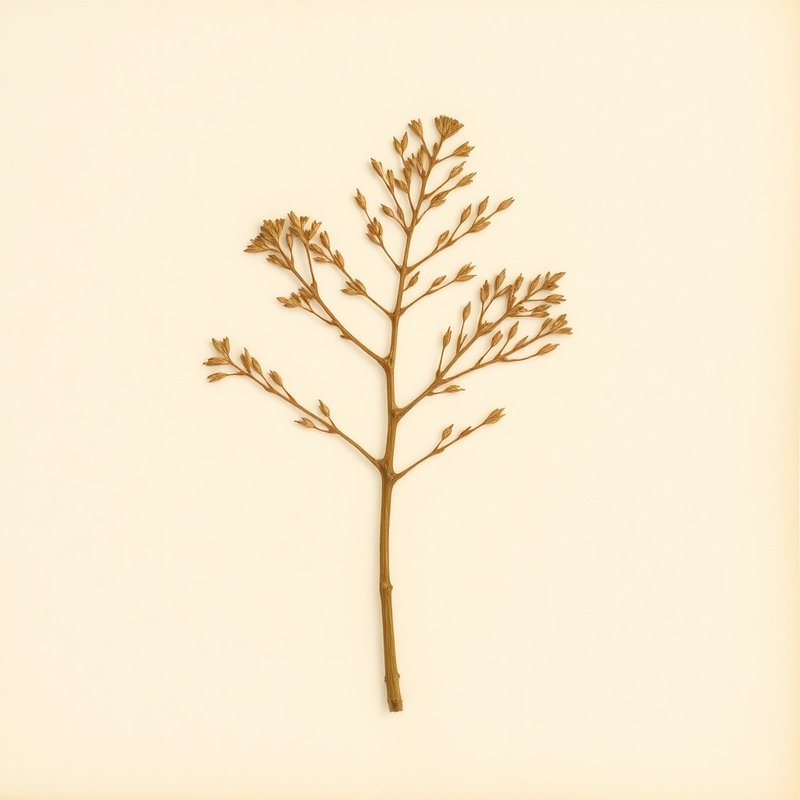
IOverview
Overview
Araucaria angustifolia, commonly known as the Brazilian pine or araucária, is a coniferous evergreen tree native to the southeastern and southern regions of Brazil, northeastern Argentina, and Paraguay. This tree thrives in moist environments with well-drained soil that can be light (sandy), medium, or heavy (clay) and requires full sun exposure. Known for its ornamental value as well as its edible seeds, A. angustifolia can grow up to 35 meters tall and is hardy in zones 9-12. Its distinctive feature includes the presence of both male and female cones on the same tree, with the edible seeds found within the female cones. The seeds can be eaten raw but are more commonly roasted or ground into flour for use in various dishes. The sap, while edible, is less frequently used compared to the seeds. This tree is best suited for gardens and landscapes where it can provide a striking, tall presence. While the tree is not medicinal, its seeds and sap offer culinary benefits, making it a valuable addition to both ornamental and edible landscapes.
What is Araucaria angustifolia?
Araucaria angustifolia, commonly known as the Brazilian pine or araucária, is a coniferous evergreen tree native to the southeastern and southern regions of Brazil, northeastern Argentina, and Paraguay.
VCultivation
Cultivation
How to grow Araucaria angustifolia for the first time
Start with a small Araucaria angustifolia sapling for your beginner garden.
- 1
What you'll need
A small Araucaria angustifolia sapling, well-draining soil, and a large pot or planting area.
- 2
Best time to plant
Plant in spring when the weather is mild and stable.
- 3
Soil and container prep
Use a mix of light (sandy), medium, and heavy (clay) soils. Ensure good drainage for containers.
- 4
Sowing or transplanting
Transplant the sapling carefully to avoid damaging roots. Plant it in a sunny spot with moist soil.
- 5
First two weeks
Water regularly, keeping the soil consistently moist but not waterlogged. Monitor for pests and diseases.
- 6
Ongoing care
Provide full sun exposure and regular watering to maintain moisture levels. Fertilize sparingly with a balanced fertilizer.
- 7
Harvest or pruning
Prune young branches to shape the tree and remove dead or diseased parts as needed.
VIEdible & utility
Edible & utility
VIIDistribution
4 native · 0 introduced
Distribution
4 native · 0 introducedIXSpecimen gallery
1 image
Specimen gallery
1 imageExplore further
About this entry
- Last updated
- Citation
- How to cite this entry · Submit a correction
Continue reading
Get archive updates
Occasional email when substantial new content lands — plant profiles, seasonal growing notes, folk-remedy additions. Free, no tracking, unsubscribe anytime.