
Silky araujia
Araujia sericiferafam. Bignoniaceae
Educational content — not medical, botanical, or professional advice. Plant identification, safety, and edibility depend on local conditions, cultivars, and correct identification. Consult a qualified botanist or forager before consuming or handling wild specimens. How we source & review →
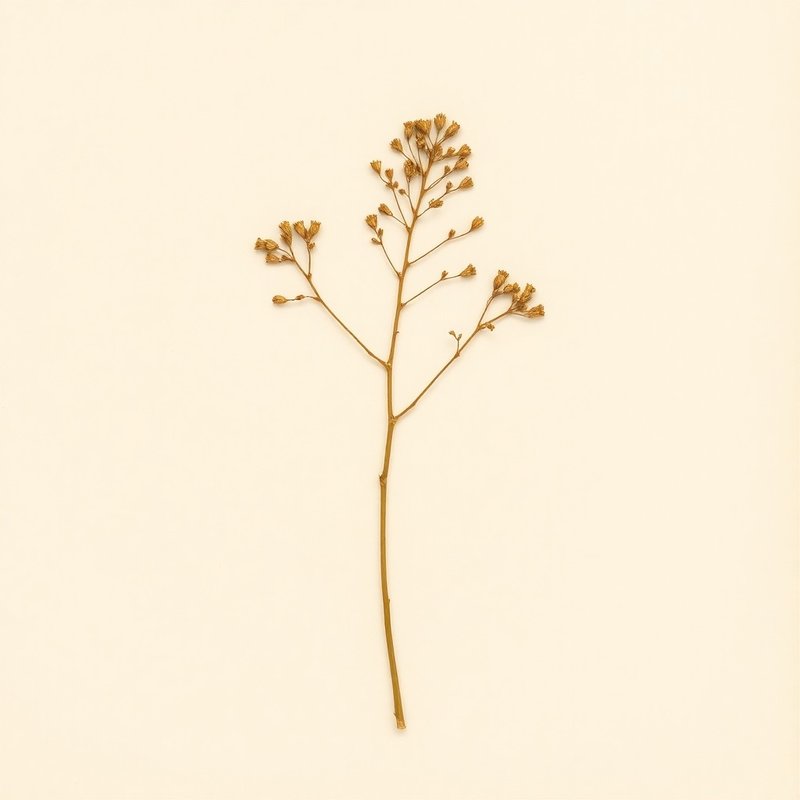
Pl. 64CD — Araujia sericifera
Araujia sericiferaAraujia sericiferaAraujia sericiferaAraujia sericiferaAraujia sericiferaAraujia sericiferaAraujia sericiferaAraujia sericiferaAraujia sericiferaAraujia sericiferaAraujia sericiferaAraujia sericiferaAraujia sericiferaAraujia sericifera
IOverview
Overview
Araujia sericifera, commonly known as the wax gourd or lambsquarters ivy, is a vine native to northeastern Argentina, southeastern and southern Brazil, Paraguay, and Uruguay. This plant thrives in full sun to partial shade and prefers moist, light (sandy) to medium soil conditions. Hardy from zones 8-11, it can grow up to 10 meters tall. Known for its edible fruit, which is often used in culinary dishes, Araujia sericifera stands out with its distinctive velvety leaves and tendrils that help it climb and spread.
Quick answers
What is Silky araujia?
Araujia sericifera, commonly known as the wax gourd or lambsquarters ivy, is a vine native to northeastern Argentina, southeastern and southern Brazil, Paraguay, and Uruguay. This plant thrives in full sun to partial shade and prefers moist, light (sandy) to medium soil conditions.
Growingconditions · propagation · uses
VCultivation
Cultivation
Araujia sericifera thrives in full to partial sun and requires moist soil that is well-draining or sandy. It prefers a medium texture and can grow up to 10 meters as a vine. Hardy in zones 8-11, this plant needs regular watering but can tolerate some drought once established. Propagate via cuttings or seeds. The fruit is edible, making it a versatile addition to gardens where space allows for its vigorous growth.
Light
Full sun, Partial sun/shade
Water
Moist
Soil
Light (sandy), Medium
Hardiness
8-11
Habit
Vine
Mature size
10.0 m tall
For first-time growers
How to grow Silky araujia for the first time
8steps
Start with a simple vine that thrives in full to partial sun and moist soil.
- 1
What you'll need
Silky araujia seeds or young vines, potting mix, a trellis or support structure.
- 2
Best time to plant
Plant in spring when the last frost has passed and temperatures are warm.
- 3
Soil and container prep
Use well-draining soil with some sand for lightness. Ensure containers have drainage holes.
- 4
Sowing or transplanting
Direct sow seeds outdoors after danger of frost, or start indoors 4-6 weeks before planting out.
- 5
First two weeks
Keep the soil consistently moist and provide light shade if direct sun is too intense.
- 6
Ongoing care
Water regularly to keep the soil moist but not waterlogged. Provide support for climbing.
- 7
Harvest or pruning
Prune vines in late winter to maintain shape and encourage new growth; fruits are edible but not commonly harvested.
- 8
Common mistakes
Overwatering, planting in heavy soil, neglecting support structures, and exposing to intense sun.
VIEdible & utility
Edible & utility
Edible parts:Fruit
Edible uses: The fruit of Araujia sericifera is edible and can be eaten raw or used in various preparations. Typically, it is consumed fresh but can also be dried for later use.
Other uses:FiberFragrance
Contextrange · companions · related
VIIDistribution
5 native · 24 introduced
Distribution
5 native · 24 introducedDistribution across4 continents· 5 native· 24 introduced
Europe5 regions
introduced (5)FranceGreeceItalyPortugalSpain
Asia3 regions
introduced (3)GeorgiaPalestineTurkey
Americas2 regions
native (2)ParaguayUruguay
Africa1 region
introduced (1)Lesotho
Broader regions
native:Argentina Northeast, Brazil South, Brazil Southeast
introduced:Free State, KwaZulu-Natal, New South Wales, New Zealand North, New Zealand South, Northern Provinces, Queensland, South Australia, Transcaucasus, California, Cape Provinces, Chile Central
IXSpecimen gallery
1 image
Specimen gallery
1 imageXSee also
2 related
See also
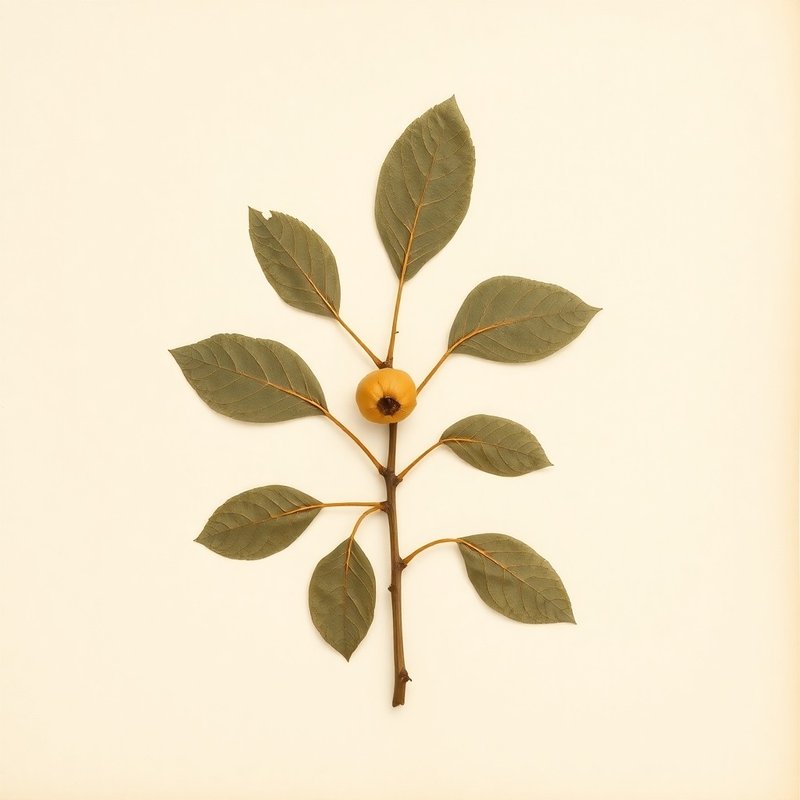
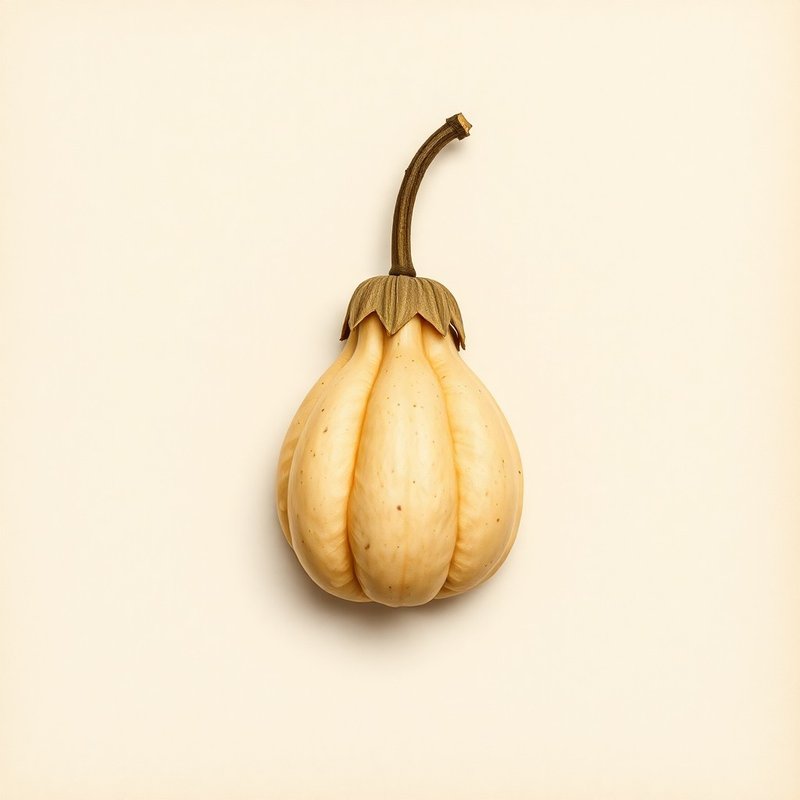
2 relatedPlants you might compare or use together — scored by shared family (Bignoniaceae), common use cases, and growing requirements.
same family · Bignoniaceae
Botanical relatives — often share phytochemistry + growing needs.
XI
Explore further
Companion planting
Compare with similar plants
Growing zone
XII
About this entry
- Last updated
- Citation
- How to cite this entry · Submit a correction
Back to the cataloguePlant id · 64cd44a6-ad64-4340-9ee9-dcbfdd838e89
Decision aid
Choosing between Silky araujia and something else?
Continue reading
❦❦❦❦
Endpaper · archive updates
Get archive updates
Occasional email when substantial new content lands — plant profiles, seasonal growing notes, folk-remedy additions. Free, no tracking, unsubscribe anytime.