
Madrone
Arbutus menziesii
Educational content — not medical, botanical, or professional advice. Plant identification, safety, and edibility depend on local conditions, cultivars, and correct identification. Consult a qualified botanist or forager before consuming or handling wild specimens. How we source & review →
Garden journal pausedUse profile notes below
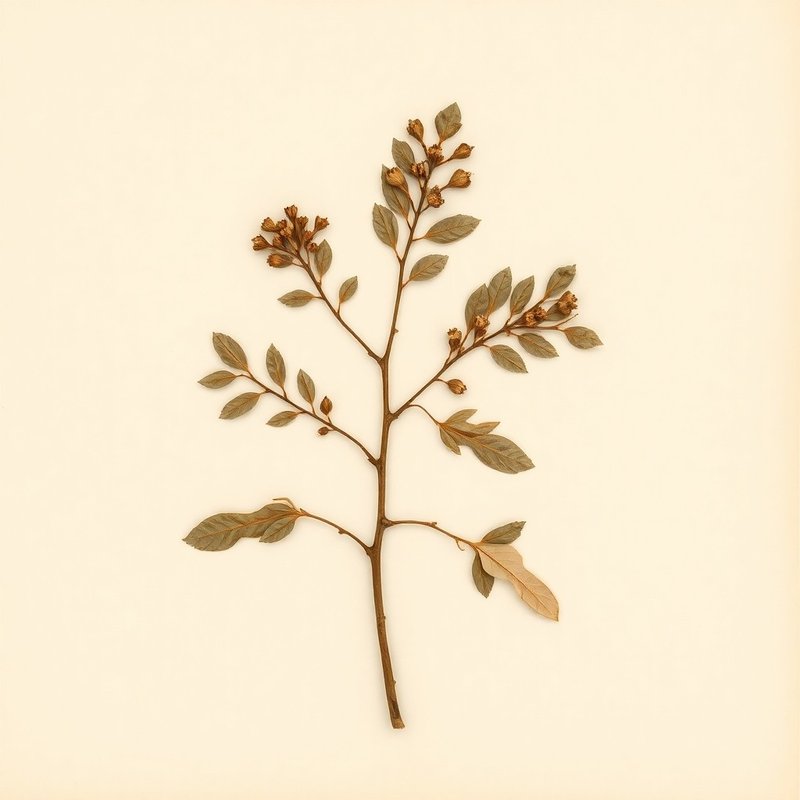
Pl. 6D0E — Arbutus menziesii
Arbutus menziesiiArbutus menziesiiArbutus menziesiiArbutus menziesiiArbutus menziesiiArbutus menziesiiArbutus menziesiiArbutus menziesiiArbutus menziesiiArbutus menziesiiArbutus menziesiiArbutus menziesiiArbutus menziesiiArbutus menziesii
IOverview
Overview
Madrone (Arbutus menziesii) is a distinctive evergreen tree native to the Pacific Northwest, ranging from British Columbia to California and into parts of Mexico. Thriving in a variety of habitats, madrone can be found in both dry, sandy soils and more moist environments, making it adaptable to different conditions. Known for its edible fruit, madrone is a valuable resource for both wildlife and humans. The tree can grow up to 15 meters in height and prefers full to partial sun, with a hardiness range of 7-9. One of its most notable features is the smooth, reddish-brown bark that peels away in strips, revealing a lighter inner layer. This unique characteristic, combined with its light requirement and soil preferences, makes madrone a distinctive and interesting addition to any landscape. Madrone thrives in full to partial sun, requiring either dry or moist conditions. It prefers light (sandy) or medium soils and can adapt to a pH range of 4.5 to 7.4. This tree is hardy in zones 7-9 and can grow up to 15 meters tall. For propagation, it can be grown from seeds or cuttings. The fruit is edible, providing a valuable resource for both wildlife and humans. Madrone is also valued for its utility in fire starting, dye, tannin, lumber, and fragrance. Its evergreen nature and ability to grow in diverse conditions make it a versatile choice for gardeners and landscapers.
Quick answers
What is Madrone?
Madrone (Arbutus menziesii) is a distinctive evergreen tree native to the Pacific Northwest, ranging from British Columbia to California and into parts of Mexico. Thriving in a variety of habitats, madrone can be found in both dry, sandy soils and more moist environments, making it adaptable to different conditions.
Growingconditions · propagation · uses
VCultivation
Cultivation
Madrone, or Arbutus menziesii, thrives in full to partial sun and prefers well-draining soil that is light (sandy) to medium. It is hardy in zones 7-9 and can grow to a height of 15 meters. The plant requires moist to dry conditions and a pH range of 4.5 to 7.4. For propagation, it can be grown from seed or through layering. The fruit is edible and can be enjoyed by gardeners.
Light
Full sun, Partial sun/shade
Water
Dry, Moist
Soil
Light (sandy), Medium
Hardiness
7-9
Life cycle
Perennial
Habit
Tree
Mature size
15.0 m tall
Soil pH
4.5–7.4
VIEdible & utility
Edible & utility
Edible parts:Fruit
Other uses:Fire starterDyeTanninLumberFragrance
Contextrange · companions · related
VIIDistribution
5 native · 0 introduced
Distribution
5 native · 0 introducedDistribution across0 continents· 5 native
Broader regions
native:British Columbia, California, Mexico Northwest, Oregon, Washington
IXSpecimen gallery
1 image
Specimen gallery
1 imageXI
Explore further
Companion planting
Growing zone
XII
About this entry
- Last updated
- Citation
- How to cite this entry · Submit a correction
Back to the cataloguePlant id · 6d0e20bf-027f-4f79-96ac-be3db8ef4f74
Decision aid
Choosing between Madrone and something else?
Continue reading
❦❦❦❦
Endpaper · archive updates
Get archive updates
Occasional email when substantial new content lands — plant profiles, seasonal growing notes, folk-remedy additions. Free, no tracking, unsubscribe anytime.
Newsletter returning soon.
We are rebuilding the update list around a lightweight editorial workflow. New dispatches will resume after the next content review cycle.