
Texas Madrone
Arbutus texana
Educational content — not medical, botanical, or professional advice. Plant identification, safety, and edibility depend on local conditions, cultivars, and correct identification. Consult a qualified botanist or forager before consuming or handling wild specimens. How we source & review →
Garden journal pausedUse profile notes below
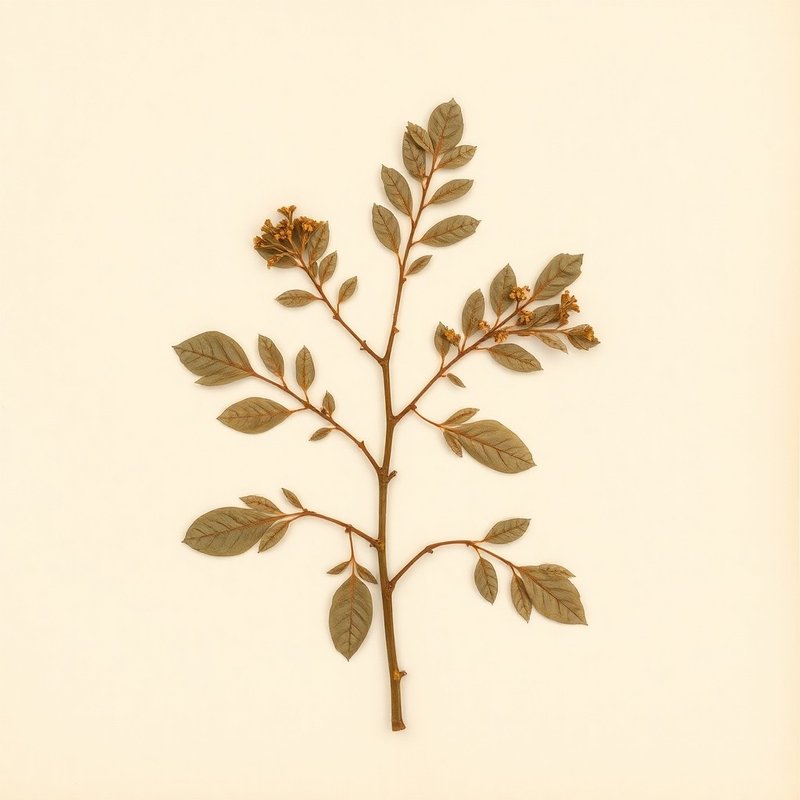
Pl. 6ABC — Arbutus texana
Arbutus texanaArbutus texanaArbutus texanaArbutus texanaArbutus texanaArbutus texanaArbutus texanaArbutus texanaArbutus texanaArbutus texanaArbutus texanaArbutus texanaArbutus texanaArbutus texana
IOverview
Overview
Texas Madrone, Arbutus texana, is a slow-growing evergreen tree in the heath family, Ericaceae, reaching roughly 8 meters in height. Its native range spans Texas and New Mexico in the United States alongside much of Mexico, and continues south through El Salvador, Guatemala, Honduras, and Nicaragua, giving it an unusually broad distribution for a tree of this type. It favors light, sandy to medium soils and grows in full sun to partial shade, tolerating both dry and moist conditions, though it is not regarded as notably drought resistant. Hardy in zones 7 to 10, it is perhaps best known for its ornamental character: peeling reddish-brown bark that exposes smooth, lighter inner layers, an attribute that keeps the tree visually interesting outside of any flowering or fruiting period. The fruit is edible, and can be eaten raw or dried for later use, making it a resource within its native range. The wood and dry material also carry utility value, listed among uses as lumber and as a fire starter. Texas Madrone is not documented as a medicinal plant in the supplied data, so it is best treated as a food and ornamental species rather than one relied upon for health purposes; any use of wild fruit should follow local guidance and personal caution. As a slow grower with specific soil preferences, it rewards patience and well-drained planting conditions.
Quick answers
What is Texas Madrone?
Texas Madrone, Arbutus texana, is a slow-growing evergreen tree in the heath family, Ericaceae, reaching roughly 8 meters in height.
Growingconditions · propagation · uses
VCultivation
Cultivation
Texas Madrone (Arbutus texana) grows best in full sun to partial shade. It tolerates dry to moist conditions, so water moderately and let the soil dry between drinks. A light, sandy to medium soil suits it well. It reaches about 8 metres tall and is hardy in zones 7 to 10. This species is native to parts of Mexico, Central America and the southwestern United States, including Texas and New Mexico, and produces edible fruit. No specific propagation method is given in the available data, so that detail cannot be confirmed here.
Light
Full sun, Partial sun/shade
Water
Dry, Moist
Soil
Light (sandy), Medium
Hardiness
7-10
Mature size
8.0 m tall
For first-time growers
How to grow Texas Madrone for the first time
8steps
Start with Texas Madrone by ensuring it gets the right conditions and care, as it thrives in well-drained soil and partial sun.
- 1
What you'll need
A young Texas Madrone sapling or seedling.
- 2
Best time to plant
Plant in spring when the weather starts warming up.
- 3
Soil and container prep
Use well-draining soil, avoiding heavy clay. Ensure containers have good drainage holes.
- 4
Sowing or transplanting
Transplant young saplings from a nursery pot to your garden bed gently.
- 5
First two weeks
Water regularly but avoid overwatering. Keep the soil moist, especially if it's dry.
- 6
Ongoing care
Provide partial sun and water when the soil feels dry. Prune lightly to shape during winter.
- 7
Harvest or pruning
Prune in late winter to maintain shape and remove dead branches.
- 8
Common mistakes
Overwatering, planting in heavy clay soil, not providing enough partial sun, neglecting winter pruning.
VIEdible & utility
Edible & utility
Edible parts:Fruit
Edible uses: The fruit of the Texas Madrone is edible and can be eaten raw or used in various preparations. It is often consumed fresh but may also be dried for later use. Skip
Other uses:Fire starterLumber
Contextrange · companions · related
VIIDistribution
12 native · 0 introduced
Distribution
12 native · 0 introducedDistribution across1 continent· 12 native
Americas4 regions
native (4)El SalvadorGuatemalaHondurasNicaragua
Broader regions
native:Mexico Central, Mexico Gulf, Mexico Northeast, Mexico Northwest, Mexico Southeast, Mexico Southwest, New Mexico, Texas
IXSpecimen gallery
1 image
Specimen gallery
1 imageXI
Explore further
Companion planting
Growing zone
Native to
XII
About this entry
- Last updated
- Citation
- How to cite this entry · Submit a correction
Back to the cataloguePlant id · 6abc471d-3943-45c6-99f6-e401c17a3f2f
Decision aid
Choosing between Texas Madrone and something else?
Continue reading
❦❦❦❦
Endpaper · archive updates
Get archive updates
Occasional email when substantial new content lands — plant profiles, seasonal growing notes, folk-remedy additions. Free, no tracking, unsubscribe anytime.
Newsletter returning soon.
We are rebuilding the update list around a lightweight editorial workflow. New dispatches will resume after the next content review cycle.