
Green-Dragon
IOverview
Overview
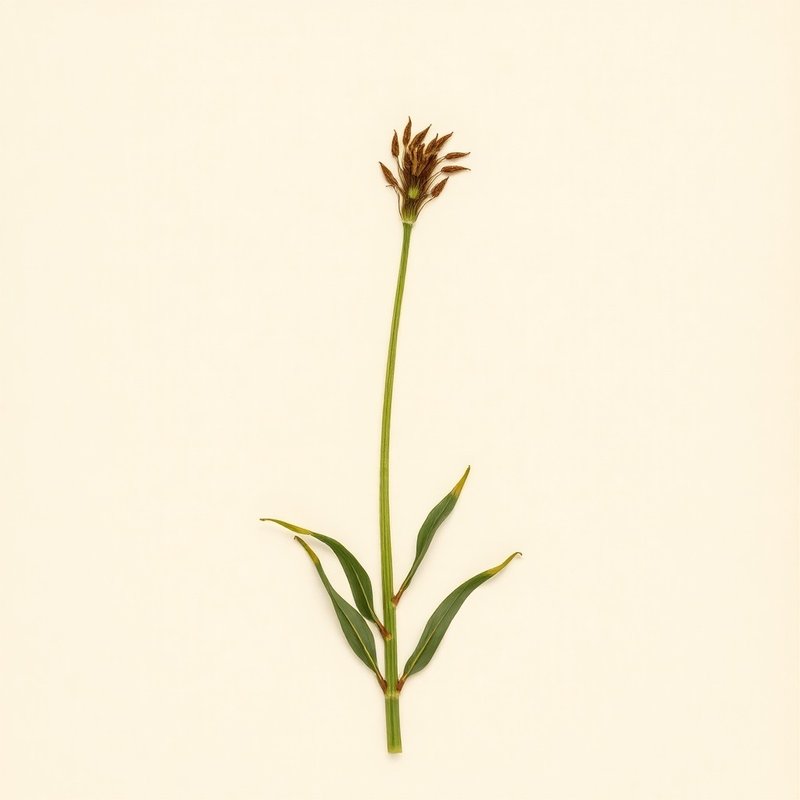
Green-Dragon (Arisaema dracontium) is a perennial herb native to the eastern United States and northeastern Mexico. It thrives in moist, light to partial shade environments with well-draining soil. This plant, known for its edible root, can be found across states such as Alabama, Arkansas, Connecticut, Delaware, District of Columbia, Florida, Georgia, Illinois, Indiana, Iowa, Kansas, Kentucky, Louisiana, Maine, Maryland, Massachusetts, Michigan, Minnesota, Mississippi, Missouri, Nebraska, New Jersey, New York, North Carolina, Ohio, Oklahoma, Ontario, Pennsylvania, Québec, South Carolina, Tennessee, Texas, Vermont, Virginia, and West Virginia. One distinctive feature of Green-Dragon is its unique spathe and spadix structure, resembling a dragon's tongue, which gives the plant its common name.
What is Green-Dragon?
Green-Dragon (Arisaema dracontium) is a perennial herb native to the eastern United States and northeastern Mexico. It thrives in moist, light to partial shade environments with well-draining soil.
VCultivation
Cultivation
How to grow Green-Dragon for the first time
Start with Green-Dragon as a simple, low-maintenance perennial for your garden.
- 1
What you'll need
A small Green-Dragon plant or seeds, potting soil, and a container if planting in a pot.
- 2
Best time to plant
Plant in early spring after the last frost or late summer for best results.
- 3
Soil and container prep
Use well-draining soil with a mix of light (sandy) and medium textures. Ensure containers have drainage holes.
- 4
Sowing or transplanting
Transplant young plants carefully, ensuring the corm is not damaged. For seeds, sow them 2-3 cm deep in moist soil.
- 5
First two weeks
Keep the soil consistently moist and place the plant in partial shade to avoid sunburn.
- 6
Ongoing care
Provide light to full shade, keep soil moist but not waterlogged. Fertilize sparingly with compost.
- 7
Harvest or pruning
Prune dead foliage after the plant dies back in fall to maintain a neat appearance.
- 8
Common mistakes
Overwatering, planting in full sun, and not providing enough shade are common issues. Avoid using heavy fertilizers.
VIEdible & utility
Edible & utility
VIIDistribution
38 native · 0 introduced
Distribution
38 native · 0 introducedIXSpecimen gallery
1 image
Specimen gallery
1 imageExplore further
About this entry
- Last updated
- Citation
- How to cite this entry · Submit a correction
Continue reading
Get archive updates
Occasional email when substantial new content lands — plant profiles, seasonal growing notes, folk-remedy additions. Free, no tracking, unsubscribe anytime.