
Arisaema flavum
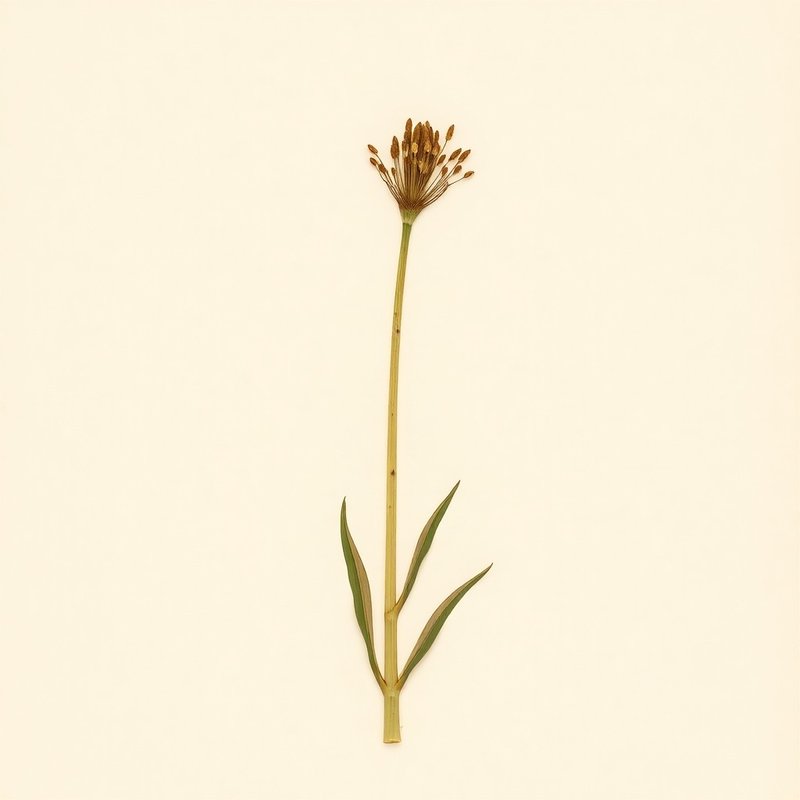
IOverview
Overview
Arisaema flavum, commonly known as the yellow jack-in-the-pulpit, is a perennial plant native to regions including Afghanistan, Assam, China South-Central, East Himalaya, Ethiopia, Nepal, Oman, Pakistan, Saudi Arabia, Somalia, Tibet, West Himalaya, and Yemen. This adaptable plant thrives in moist environments with partial sun to full shade and prefers light or sandy soil. Growing up to 0.4 meters tall, Arisaema flavum is a member of the Araceae family, characterized by its distinctive spathe and spadix structure. The spadix is often hidden by the large, hooded spathe, which gives the plant its unique appearance. The leaves of Arisaema flavum are edible and can be consumed fresh or cooked, though it is recommended to boil them to remove any potential toxins before use. They are typically prepared by boiling to ensure safety and are often added to dishes as a food source. This plant is also noted for its utility in pest control, making it a valuable addition to gardens and landscapes. Arisaema flavum is hardy in zones 6-9, making it suitable for temperate regions. It grows best when provided with consistent moisture and partial to full shade. For propagation, division of the rhizomes is an effective method. While not traditionally used for medicinal purposes, its ornamental and edible qualities make it a noteworthy addition to gardens and culinary practices.
What is Arisaema flavum?
Arisaema flavum, commonly known as the yellow jack-in-the-pulpit, is a perennial plant native to regions including Afghanistan, Assam, China South-Central, East Himalaya, Ethiopia, Nepal, Oman, Pakistan, Saudi Arabia, Somalia, Tibet, West Himalaya, and Yemen.
VCultivation
Cultivation
How to grow Arisaema flavum for the first time
Start with Arisaema flavum as a simple, low-maintenance perennial for your garden or container.
- 1
What you'll need
Arisaema flavum bulbs, well-draining potting mix, containers with drainage holes.
- 2
Best time to plant
Plant in spring after the last frost or in early fall before the first freeze.
- 3
Soil and container prep
Use a light, sandy soil mixed with compost. Ensure containers have good drainage.
- 4
Sowing or transplanting
Plant bulbs 2-3 inches deep and about twice their width apart in the soil.
- 5
First two weeks
Keep the soil moist but not waterlogged. Place in partial shade to avoid direct sun.
- 6
Ongoing care
Water when the top inch of soil feels dry, especially during hot weather. Provide light shade and mulch to retain moisture.
- 7
Harvest or pruning
Prune dead foliage in late winter before new growth emerges.
- 8
Common mistakes
Overwatering, planting too deep, neglecting to provide partial shade.
VIEdible & utility
Edible & utility
VIIDistribution
13 native · 0 introduced
Distribution
13 native · 0 introducedIXSpecimen gallery
1 image
Specimen gallery
1 imageExplore further
About this entry
- Last updated
- Citation
- How to cite this entry · Submit a correction
Continue reading
Get archive updates
Occasional email when substantial new content lands — plant profiles, seasonal growing notes, folk-remedy additions. Free, no tracking, unsubscribe anytime.