
Jack In The Pulpit
IOverview
Overview
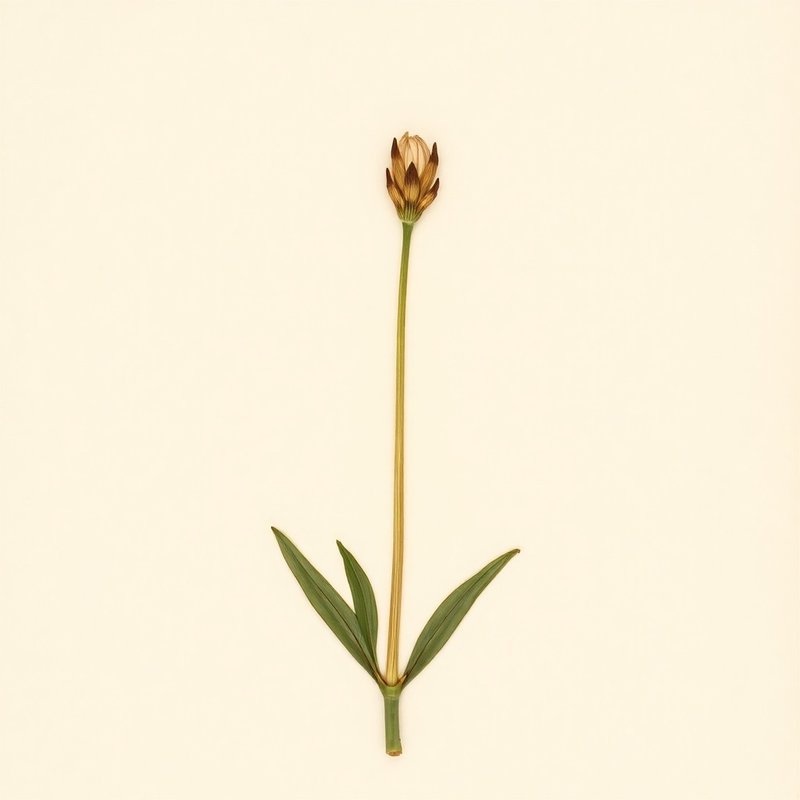
Jack In The Pulpit (Arisaema triphyllum), a perennial herb from the Araceae family, is native to eastern North America and can be found in moist, shaded areas stretching from Alabama and Arkansas to Quebec and Virginia. This plant features distinctive three-lobed leaves that give way to an intriguing spadix hidden within the hood-like spathe, resembling a preacher hiding in his pulpit. The Jack In The Pulpit thrives in light to full shade with moist soil, thriving best in a pH range of 4.8–7 and growing up to 0.6 meters tall. The plant is known for its edible root, which can be prepared by digging it up and either cooking or drying before consumption. Typically, the root is boiled to remove toxic compounds before being eaten. Jack In The Pulpit also has ornamental value, making it a suitable addition to gardens where it can grow in partial to full shade. This plant is hardy in zones 4-9 and thrives best when planted in light to full sun depending on the specific conditions; partial shade is ideal for hotter climates. For propagation, division or seed planting are effective methods. Jack In The Pulpit's edible root should be harvested during fall after flowering, ensuring that it has had sufficient time to mature. While Jack In The Pulpit is not medicinal, its parts and compounds have no known therapeutic benefits. Always exercise caution when handling any plant part, as some may contain toxic compounds.
What is Jack In The Pulpit?
Jack In The Pulpit (Arisaema triphyllum), a perennial herb from the Araceae family, is native to eastern North America and can be found in moist, shaded areas stretching from Alabama and Arkansas to Quebec and Virginia.
VCultivation
Cultivation
How to grow Jack In The Pulpit for the first time
Start with Jack In The Pulpit as a simple, low-maintenance perennial for your garden.
- 1
What you'll need
Jack In The Pulpit bulbs or corms, potting soil, container if planting in pots.
- 2
Best time to plant
Plant Jack In The Pulpit in early spring or late fall when the soil is cool.
- 3
Soil and container prep
Use a well-draining mix with light (sandy) to medium texture. Ensure containers have drainage holes.
- 4
Sowing or transplanting
Plant bulbs 2-3 inches deep, spacing them about 6-10 inches apart in the garden or container.
- 5
First two weeks
Keep soil consistently moist but not waterlogged. Avoid direct sunlight during this period.
- 6
Ongoing care
Provide partial sun to full shade, keep soil moist, and mulch around plants in winter for protection.
- 7
Harvest or pruning
Prune dead foliage after flowering to maintain a neat appearance. Do not harvest roots as they are used for propagation.
- 8
Common mistakes
Overwatering, planting in full sun, neglecting to mulch in winter.
VIEdible & utility
Edible & utility
VIIDistribution
45 native · 0 introduced
Distribution
45 native · 0 introducedIXSpecimen gallery
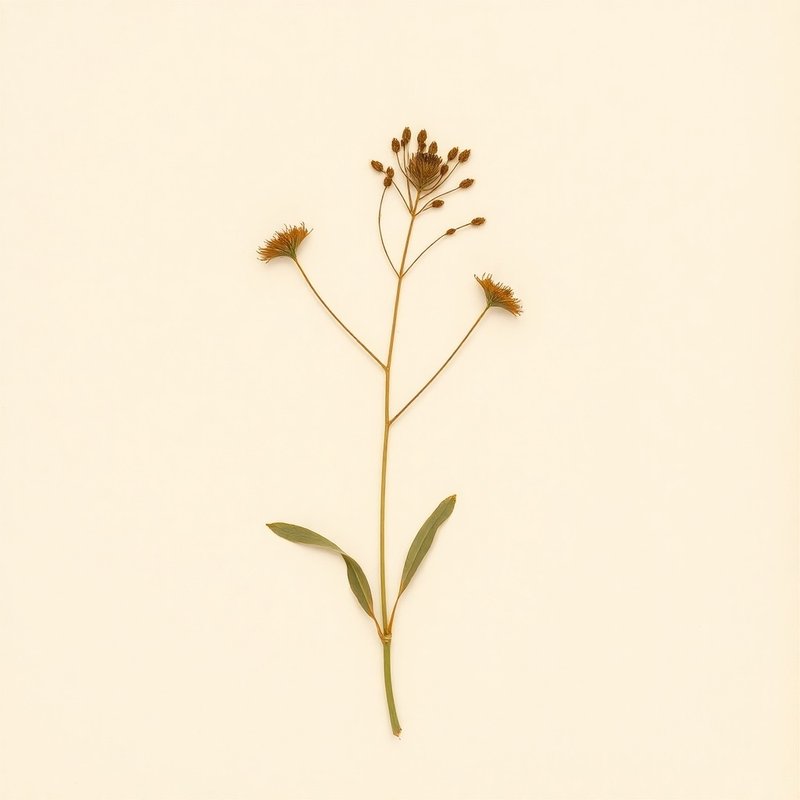
1 image
Specimen gallery
1 imageXSee also
8 related
See also
8 relatedPlants you might compare or use together — scored by shared family (Araceae), common use cases, and growing requirements.
Explore further
About this entry
- Last updated
- Citation
- How to cite this entry · Submit a correction
Continue reading
Get archive updates
Occasional email when substantial new content lands — plant profiles, seasonal growing notes, folk-remedy additions. Free, no tracking, unsubscribe anytime.