
Sea Thrift
Armeria maritima
Educational content — not medical, botanical, or professional advice. Plant identification, safety, and edibility depend on local conditions, cultivars, and correct identification. Consult a qualified botanist or forager before consuming or handling wild specimens. How we source & review →
Garden journal pausedUse profile notes below
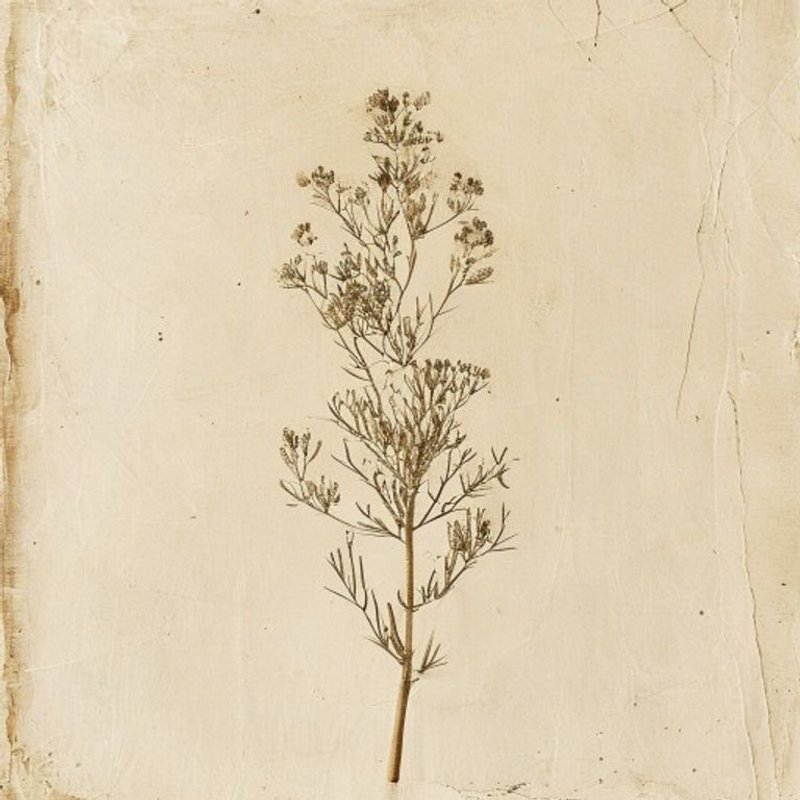
Pl. 0B13 — Armeria maritima
Armeria maritimaArmeria maritimaArmeria maritimaArmeria maritimaArmeria maritimaArmeria maritimaArmeria maritimaArmeria maritimaArmeria maritimaArmeria maritimaArmeria maritimaArmeria maritimaArmeria maritimaArmeria maritima
IOverview
Overview
Sea Thrift (Armeria maritima) is a perennial subshrub and herb native to coastal regions of France, Spain, and other parts of Europe, including Alaska. This plant thrives in light (sandy) to medium soil with a pH range of 4.7–7.5, making it adaptable to various growing conditions. Sea Thrift can be found in habitats such as coastal areas, where its hardiness from zones 3-9 allows it to withstand varying climates and soil types. The plant is known for its ornamental value due to its delicate purple flowers, which typically bloom in May. Its growth form includes a bunch-like structure with fine green foliage, contributing to its light and airy appearance. Sea Thrift can reach heights of up to 0.1 meters and grows at a moderate rate. It is particularly useful as a ground cover plant. Edible parts of the Sea Thrift include both the leaves and roots. The leaves are often used fresh or dried for flavoring in salads and teas, while the roots can be consumed raw or cooked as a vegetable. While not traditionally medicinal, its use in culinary applications highlights its practical value. Sea Thrift's ability to tolerate dry to moist conditions and its hardiness make it a versatile addition to gardens and coastal landscapes. Its ornamental appeal combined with its edible qualities makes it an attractive choice for gardeners seeking both beauty and utility in their plant selections.
Quick answers
What is Sea Thrift?
Sea Thrift (Armeria maritima) is a perennial subshrub and herb native to coastal regions of France, Spain, and other parts of Europe, including Alaska. This plant thrives in light (sandy) to medium soil with a pH range of 4.7–7.5, making it adaptable to various growing conditions.
Growingconditions · propagation · uses
VCultivation
Cultivation
Sea Thrift thrives in well-drained to moist soils with a pH between 4.7 and 7.5, preferring light (sandy) or medium soil types. It is hardy from zones 3-9, making it suitable for temperate regions. This perennial plant requires full sun to partial shade and should be watered regularly but allowed to dry out slightly between watering sessions. Propagate Sea Thrift through division in early spring or by sowing seeds directly in the garden. The edible parts include leaves and roots, which can be harvested throughout the growing season.
Light
8/10
Water
Dry, Moist
Soil
Light (sandy), Medium
Hardiness
3-9
Life cycle
Perennial
Habit
Subshrub, Forb/herb
Mature size
0.1 m tall
Soil pH
4.7–7.5
Seasonal calendar
Northern hemisphere · UTC month is November
winterspringsummerautumnwinter
BloomJFMAMJJASOND
For first-time growers
How to grow Sea Thrift for the first time
8steps
Start with Sea Thrift as a simple, low-maintenance perennial for your garden.
- 1
What you'll need
Seeds or small plants, a trowel, and a watering can.
- 2
Best time to plant
Plant in spring after the last frost or in fall before the first freeze.
- 3
Soil and container prep
Choose a well-draining soil with a pH between 4.7 and 7.5, and ensure good sunlight exposure.
- 4
Sowing or transplanting
Direct sow seeds in the garden or start them indoors 6-8 weeks before planting outside.
- 5
First two weeks
Water regularly to keep soil moist but not waterlogged, and protect from extreme weather.
- 6
Ongoing care
Provide full sun, regular watering during dry spells, and deadhead flowers for continuous bloom.
- 7
Harvest or pruning
Prune back after flowering to maintain shape and encourage new growth.
- 8
Common mistakes
Overwatering, planting in heavy soil, neglecting to protect from frost, not providing enough sunlight, and failing to deadhead.
VIEdible & utility
Edible & utility
Edible parts:LeavesRoot
Edible uses: The leaves and roots of Sea Thrift (Armeria maritima) are edible. Typically, the leaves are used fresh or dried for flavoring in salads and teas. The roots can be consumed raw or cooked as a vegetable. Skip the detailed preparation methods since specific instructions are not provided in the data.
Other uses:Ground cover
Contextrange · companions · related
VIIDistribution
55 native · 1 introduced
Distribution
55 native · 1 introducedDistribution across3 continents· 55 native· 1 introduced
Europe22 regions
native (22)AustriaBelarusBelgiumDenmarkFinlandFranceGermanyHungaryIcelandIrelandItalyNetherlandsNorwayPolandPortugalRomaniaRussiaSpainSwedenSwitzerlandUkraineUnited Kingdom
Asia1 region
native (1)Mongolia
Americas2 regions
native (2)GreenlandUnited States
Broader regions
native:Aleutian Is., Baltic States, British Columbia, Buryatiya, California, Colorado, Czechoslovakia, Føroyar, Kamchatka, Khabarovsk, Krasnoyarsk, Kuril Is., Labrador, Magadan, Manitoba, Newfoundland, Northwest Territorie, Nunavut, Ontario, Oregon, Sakhalin, Saskatchewan, Washington, Yakutskiya, Yugoslavia, Yukon
introduced:Turkey-in-Europe
IXSpecimen gallery
1 image
Specimen gallery
1 imageXI
Explore further
Companion planting
Growing zone
Native to
XII
About this entry
- Last updated
- Citation
- How to cite this entry · Submit a correction
Back to the cataloguePlant id · 0b1303b8-9fc2-4c7a-a1a6-59ab5782057b
Decision aid
Choosing between Sea Thrift and something else?
Continue reading
❦❦❦❦
Endpaper · archive updates
Get archive updates
Occasional email when substantial new content lands — plant profiles, seasonal growing notes, folk-remedy additions. Free, no tracking, unsubscribe anytime.
Newsletter returning soon.
We are rebuilding the update list around a lightweight editorial workflow. New dispatches will resume after the next content review cycle.