
Artemisia caruifolia
IOverview
Overview
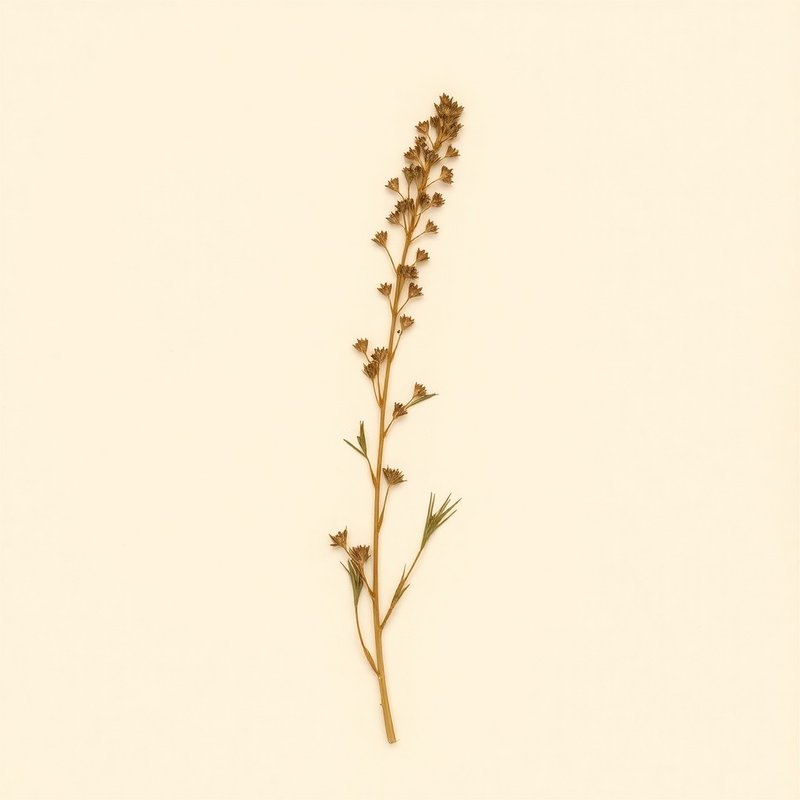
Artemisia caruifolia, a member of the Asteraceae family, is native to regions including Assam, China, India, Korea, Manchuria, Nepal, and Vietnam. This plant thrives in full sun to partial shade and can tolerate both dry and moist conditions, making it adaptable to various environments. Known for its edible leaves, Artemisia caruifolia is often used to make tea. Its distinctive feature lies in its versatility—capable of thriving in diverse habitats while offering both culinary and traditional medicine benefits. The plant reaches a height of 1 meter and is often found growing in light or medium soil types. While it is an annual, it can be propagated through seeds for the best results. Given its native range in temperate regions of Asia, it is hardy in such climates but may require protection in colder areas. Harvest leaves for culinary use with caution, as the plant has documented medicinal uses but should not be consumed without professional guidance.
What is Artemisia caruifolia?
Artemisia caruifolia, a member of the Asteraceae family, is native to regions including Assam, China, India, Korea, Manchuria, Nepal, and Vietnam. This plant thrives in full sun to partial shade and can tolerate both dry and moist conditions, making it adaptable to various environments.
IV·bMixology suggestions
2 drafts
Mixology suggestions
2 draftsVCultivation
Cultivation
How to grow Artemisia caruifolia for the first time
Start with Artemisia caruifolia by planting it in a sunny spot and providing minimal care.
- 1
What you'll need
A small plant or seeds, a container if needed, good quality soil.
- 2
Best time to plant
Plant in spring after the last frost or in fall before the first freeze.
- 3
Soil and container prep
Use well-draining soil. Ensure containers have drainage holes.
- 4
Sowing or transplanting
Transplant a small plant into your garden or start seeds indoors 4-6 weeks before planting outdoors.
- 5
First two weeks
Water sparingly to avoid waterlogging, and keep the soil moist but not wet.
- 6
Ongoing care
Provide full sun to partial shade. Water only when dry. Prune regularly for best growth.
- 7
Harvest or pruning
Prune after flowering to encourage new growth and maintain shape.
- 8
Common mistakes
Overwatering, planting in heavy soil, not providing enough sunlight, neglecting regular pruning.
VIEdible & utility
Edible & utility
VIIDistribution
10 native · 1 introduced
Distribution
10 native · 1 introducedIXSpecimen gallery
1 image
Specimen gallery
1 imageExplore further
About this entry
- Last updated
- Citation
- How to cite this entry · Submit a correction
Continue reading
Get archive updates
Occasional email when substantial new content lands — plant profiles, seasonal growing notes, folk-remedy additions. Free, no tracking, unsubscribe anytime.