
Showy Milkweed
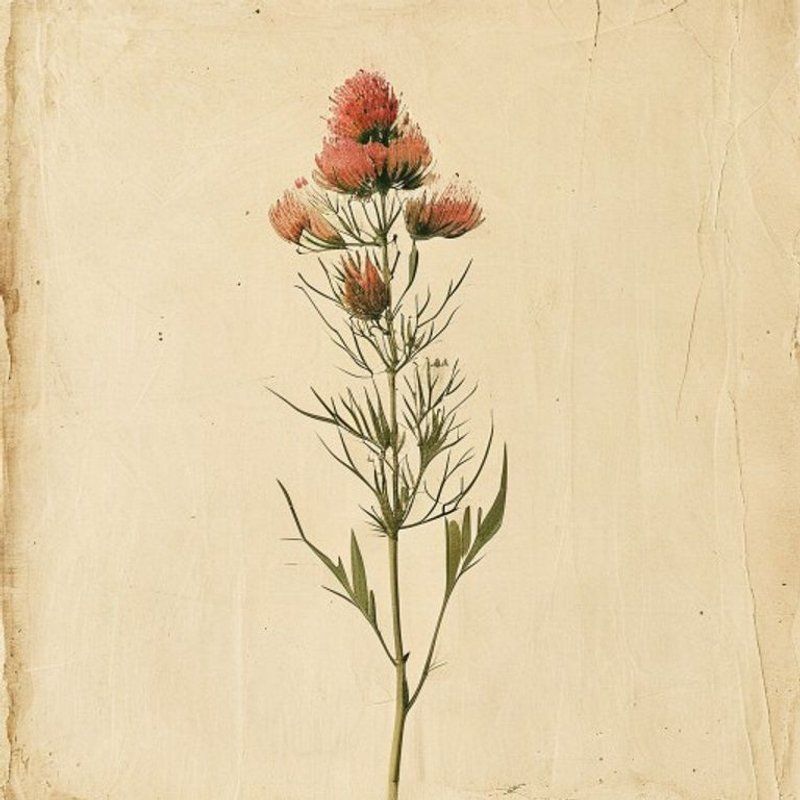
IOverview
Overview
Showy Milkweed (Asclepias speciosa) is a perennial herb that thrives across a wide range of North American regions, from Alberta to California and southward into Texas. This plant is native to areas including Alberta, Arizona, British Columbia, and many more states and provinces. Showy Milkweed is known for its ornamental value, with large, showy clusters of pink to purple flowers blooming from June to August. Its light green, lance-shaped leaves and fluffy seed pods make it a distinctive addition to native gardens and prairie restorations. This milkweed species can grow up to 0.8 meters tall and prefers full sun to partial shade, thriving in moist to dry conditions with well-drained soil. It is adaptable to a pH range of 5 to 7, making it suitable for various garden settings. Showy Milkweed is not only ornamental but also edible, with parts such as flowers, leaves, roots, seeds, and shoots being harvestable throughout the growing season. However, caution is advised when handling the plant, as it contains latex, which can cause skin irritation in some individuals. Showy Milkweed is hardy in zones 3-9 and can be propagated through division or seed sowing. Its ability to thrive in diverse conditions and its ornamental and edible qualities make it a valuable plant for gardeners and conservationists alike. While it is not medicinal, it plays a crucial role in supporting local ecosystems by providing nectar for pollinators and serving as a host plant for monarch butterfly larvae.
What is Showy Milkweed?
Showy Milkweed (Asclepias speciosa) is a perennial herb that thrives across a wide range of North American regions, from Alberta to California and southward into Texas. This plant is native to areas including Alberta, Arizona, British Columbia, and many more states and provinces.
VCultivation
Cultivation
How to grow Showy Milkweed for the first time
Start with Showy Milkweed as a simple, low-maintenance perennial for your garden.
- 1
What you'll need
Showy Milkweed seeds or young plants, a trowel, and mulch.
- 2
Best time to plant
Plant in spring after the last frost or in fall before the first freeze.
- 3
Soil and container prep
Choose a location with well-draining soil that's light (sandy) to medium. Ensure full sun to partial shade.
- 4
Sowing or transplanting
Direct sow seeds in early spring, covering them lightly. For transplants, buy young plants from a nursery.
- 5
First two weeks
Water regularly until established. Keep the soil moist but not waterlogged.
- 6
Ongoing care
Water when the top inch of soil is dry. Mulch to retain moisture and control weeds.
- 7
Harvest or pruning
Prune dead leaves and spent flowers to encourage new growth and a tidy appearance.
- 8
Common mistakes
Overwatering, planting in heavy clay soil, neglecting to provide enough sunlight.
VIEdible & utility
Edible & utility
VIIDistribution
26 native · 1 introduced
Distribution
26 native · 1 introducedIXSpecimen gallery
1 image
Specimen gallery
1 imageExplore further
About this entry
- Last updated
- Citation
- How to cite this entry · Submit a correction
Continue reading
Get archive updates
Occasional email when substantial new content lands — plant profiles, seasonal growing notes, folk-remedy additions. Free, no tracking, unsubscribe anytime.