
Asparagus maritimus
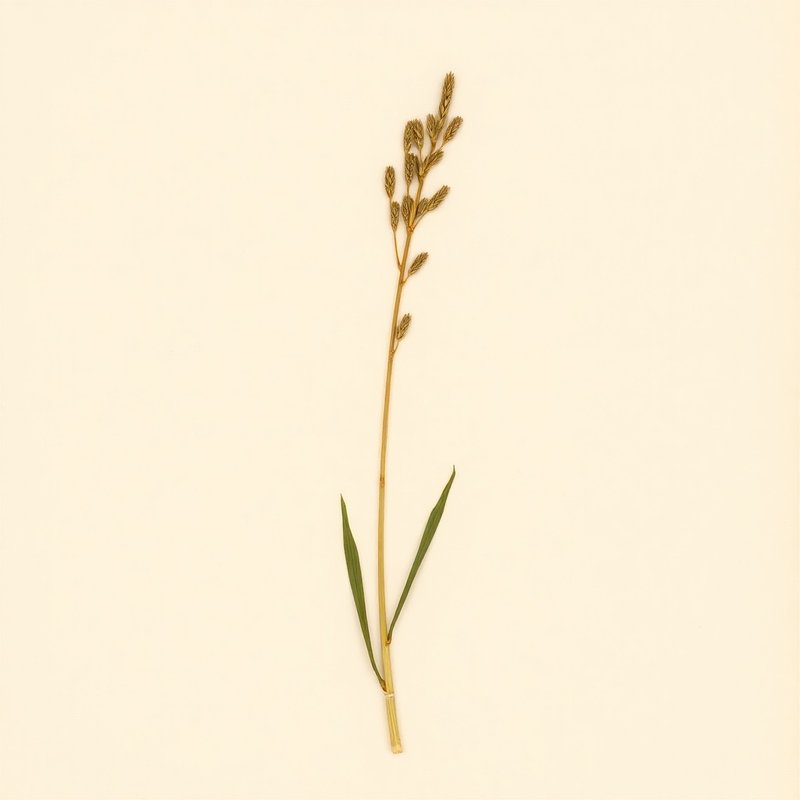
IOverview
Overview
Asparagus maritimus, a perennial plant native to the coastal regions of Albania, Bulgaria, Corsica, France, Greece, Italy, Crimea, Sardinia, Ukraine, and Yugoslavia, thrives in full sun with a preference for light (sandy) or medium-textured soil that can be dry to moist. Known for both its edible and medicinal properties, this plant has been valued across its native range. The shoots and stems, harvested when young and tender, are commonly used in cooking or eaten raw in salads, and can also be dried for later use. Asparagus maritimus can grow up to 0.6 meters tall, making it an ornamental addition to gardens. While it is not drought-resistant, it can tolerate dry conditions. This plant is native to temperate regions, suggesting it can be grown in similar climates. Caution is advised when handling the plant, as some parts may contain compounds that could be harmful if ingested without proper knowledge.
What is Asparagus maritimus?
Asparagus maritimus, a perennial plant native to the coastal regions of Albania, Bulgaria, Corsica, France, Greece, Italy, Crimea, Sardinia, Ukraine, and Yugoslavia, thrives in full sun with a preference for light (sandy) or medium-textured soil that can be dry to moist.
IV·bMixology suggestions
1 draft
Mixology suggestions
1 draftVCultivation
Cultivation
How to grow Asparagus maritimus for the first time
Start with a simple, sunny spot and basic soil preparation for your first asparagus plant.
- 1
What you'll need
Asparagus crowns or seeds, garden tools like a spade and rake.
- 2
Best time to plant
Plant in early spring when the ground is workable but not too wet.
- 3
Soil and container prep
Choose a well-draining spot with rich, sandy soil. Amend with compost if needed.
- 4
Sowing or transplanting
Transplant crowns 30-45 cm apart in rows spaced 60-90 cm. Cover with 10 cm of soil.
- 5
First two weeks
Keep the area moist but not waterlogged. Mulch lightly to retain moisture and suppress weeds.
- 6
Ongoing care
Water regularly, especially during dry spells. Fertilize in early spring with composted manure.
- 7
Harvest or pruning
Wait 3 years before harvesting shoots. In the meantime, prune dead foliage to maintain health.
- 8
Common mistakes
Planting too deep, overwatering, neglecting to mulch, and harvesting too early.
VIEdible & utility
Edible & utility
VIIDistribution
10 native · 0 introduced
Distribution
10 native · 0 introducedIXSpecimen gallery
1 image
Specimen gallery
1 imageExplore further
About this entry
- Last updated
- Citation
- How to cite this entry · Submit a correction
Continue reading
Get archive updates
Occasional email when substantial new content lands — plant profiles, seasonal growing notes, folk-remedy additions. Free, no tracking, unsubscribe anytime.