
Pine Heath
IOverview
Overview
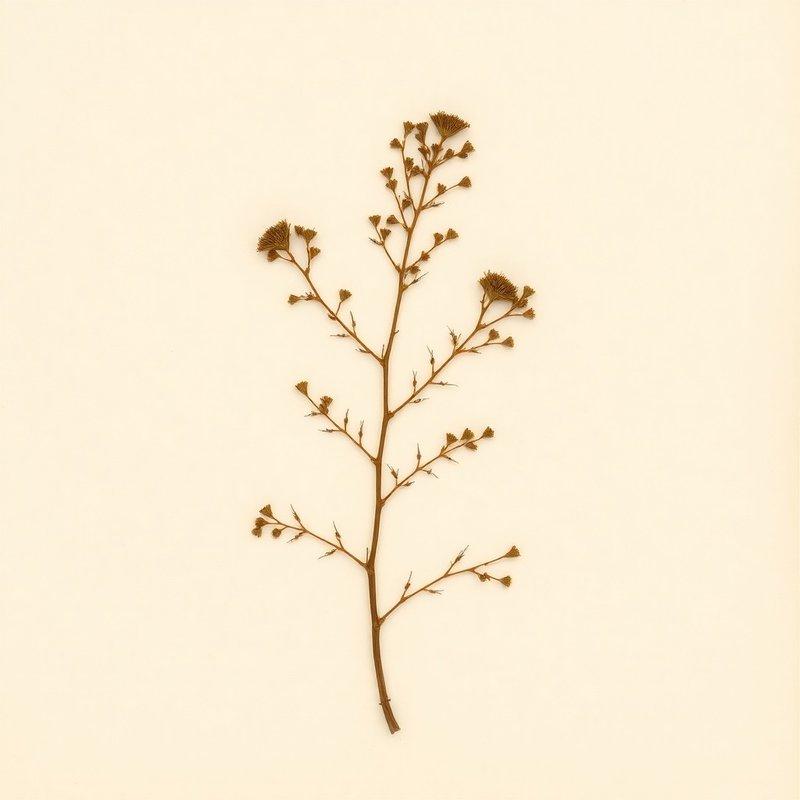
Pine Heath, scientifically known as Astroloma pinifolium, is a small shrub native to the southeastern regions of Australia, specifically New South Wales, Tasmania, and Victoria. This plant thrives in full sun or partial shade and can tolerate both dry and moist conditions, making it adaptable to various environments within its native range. Pine Heath is valued for its edible fruit, which provides a light touch to the landscape while offering a source of nutrition. The fruit can be eaten raw or used in various preparations, though specific culinary uses are not detailed. One distinctive feature sets this plant apart: its needle-like leaves, reminiscent of pine, giving it an evergreen appearance throughout the year. Pine Heath belongs to the Epacridaceae family and grows up to 1 meter tall. While it is not medicinal, its fruit is a valuable resource in its native habitat. This shrub is a hardy plant, thriving in zones 7-10, and can be propagated through seed or cuttings. Its ability to grow in a variety of soil types and its edible fruit make Pine Heath a useful addition to gardens and landscapes in its native regions.
What is Pine Heath?
Pine Heath, scientifically known as Astroloma pinifolium, is a small shrub native to the southeastern regions of Australia, specifically New South Wales, Tasmania, and Victoria.
VCultivation
Cultivation
How to grow Pine Heath for the first time
Start with Pine Heath as a simple, low-maintenance addition to your garden.
- 1
What you'll need
Pine Heath plants or seeds, potting mix suitable for native plants, and a watering can.
- 2
Best time to plant
Plant Pine Heath in spring or autumn when the weather is mild.
- 3
Soil and container prep
Use well-draining soil with a pH between 5.5 and 7.0, ensuring it's light (sandy) to medium.
- 4
Sowing or transplanting
Transplant Pine Heath from containers into the garden or sow seeds directly in the ground after preparing the soil.
- 5
First two weeks
Water regularly but avoid overwatering. Keep the soil moist until plants are established.
- 6
Ongoing care
Provide full sun and minimal water once established, allowing the plant to dry out between watering sessions.
- 7
Harvest or pruning
Prune lightly in late winter to maintain shape. Harvest fruit when ripe for culinary use.
- 8
Common mistakes
Overwatering, planting in heavy soil, and not providing enough sunlight are common issues.
VIEdible & utility
Edible & utility
VIIDistribution
3 native · 0 introduced
Distribution
3 native · 0 introducedIXSpecimen gallery
1 image
Specimen gallery
1 imageExplore further
About this entry
- Last updated
- Citation
- How to cite this entry · Submit a correction
Continue reading
Get archive updates
Occasional email when substantial new content lands — plant profiles, seasonal growing notes, folk-remedy additions. Free, no tracking, unsubscribe anytime.