
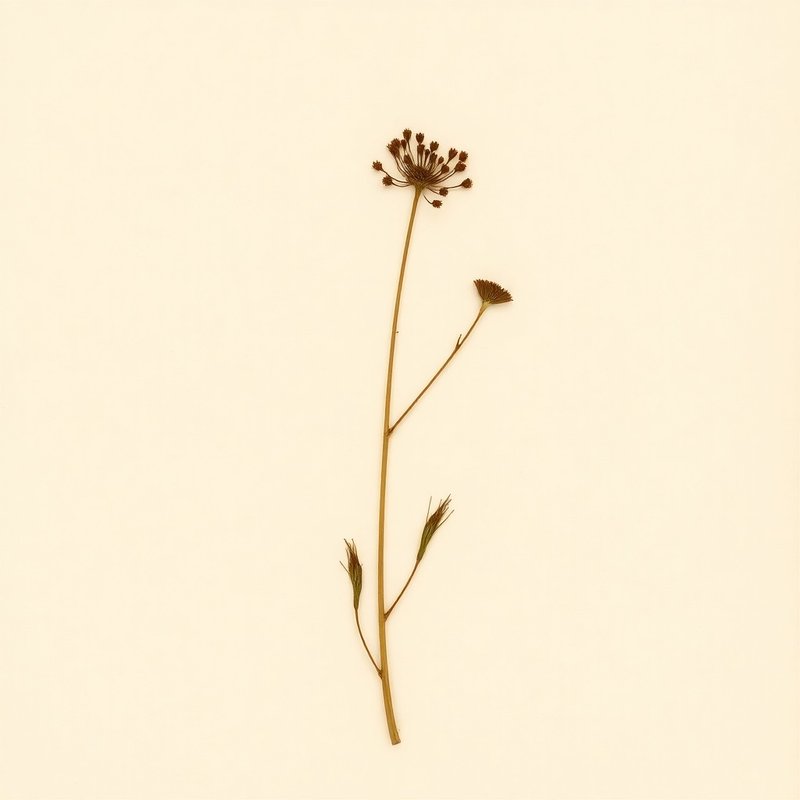
Athamantha sicula
IOverview
Overview
Athamantha sicula, a perennial plant native to Algeria, Italy, Morocco, Sicilia, and Tunisia, is well-suited to light, full sun conditions with moist, well-drained soils that are either sandy or of medium texture. Known for its edible roots, this plant is often cultivated for culinary purposes. The roots can be harvested by digging up the plant and can be consumed either raw or cooked. Its adaptability to various soil types makes Athamantha sicula a noteworthy addition to gardens and landscapes in Mediterranean regions. This plant thrives in temperate climates and can be propagated through root division. For optimal growth, ensure the soil remains consistently moist but not waterlogged. Its presence in gardens and landscapes can add a touch of Mediterranean charm, while its edible roots offer a unique ingredient for culinary use.
What is Athamantha sicula?
Athamantha sicula, a perennial plant native to Algeria, Italy, Morocco, Sicilia, and Tunisia, is well-suited to light, full sun conditions with moist, well-drained soils that are either sandy or of medium texture. Known for its edible roots, this plant is often cultivated for culinary purposes.
VCultivation
Cultivation
How to grow Athamantha sicula for the first time
This guide will help you start with Athamantha sicula, focusing on basic care and harvesting.
- 1
What you'll need
A small trowel, a watering can or hose, and some compost.
- 2
Best time to plant
Plant in spring when the soil is moist and warm.
- 3
Soil and container prep
Use light, well-draining soil. Ensure containers have drainage holes.
- 4
Sowing or transplanting
Direct sow seeds outdoors after danger of frost or start seedlings indoors a few weeks before planting.
- 5
First two weeks
Keep the soil consistently moist and protect from direct sun for the first week.
- 6
Ongoing care
Water regularly, especially during dry spells. Mulch to retain moisture and suppress weeds.
- 7
Harvest or pruning
Prune after flowering to encourage new growth and remove dead leaves.
- 8
Common mistakes
Overwatering, planting in heavy soil, not providing enough sunlight.
VIEdible & utility
Edible & utility
VIIDistribution
5 native · 0 introduced
Distribution
5 native · 0 introducedIXSpecimen gallery
1 image
Specimen gallery
1 imageExplore further
About this entry
- Last updated
- Citation
- How to cite this entry · Submit a correction
Continue reading
Get archive updates
Occasional email when substantial new content lands — plant profiles, seasonal growing notes, folk-remedy additions. Free, no tracking, unsubscribe anytime.