
Lady Fern
Athyrium filix-femina
Educational content — not medical, botanical, or professional advice. Plant identification, safety, and edibility depend on local conditions, cultivars, and correct identification. Consult a qualified botanist or forager before consuming or handling wild specimens. How we source & review →
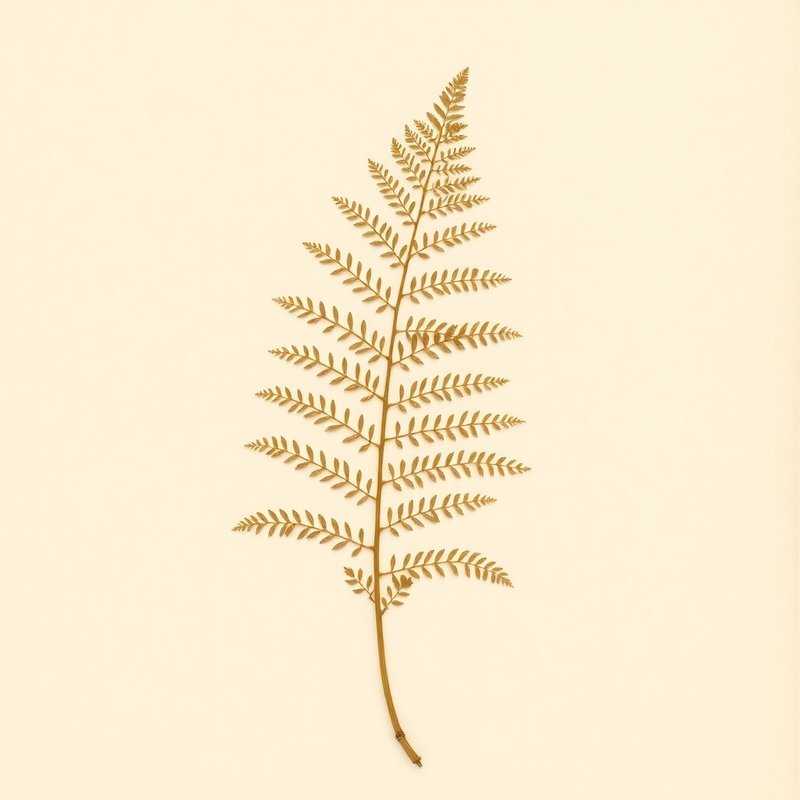
Pl. 10C9 — Athyrium filix-femina
Athyrium filix-feminaAthyrium filix-feminaAthyrium filix-feminaAthyrium filix-feminaAthyrium filix-feminaAthyrium filix-feminaAthyrium filix-feminaAthyrium filix-feminaAthyrium filix-feminaAthyrium filix-feminaAthyrium filix-feminaAthyrium filix-feminaAthyrium filix-feminaAthyrium filix-femina
IOverview
Overview
Lady Fern (Athyrium filix-femina) is a deciduous fern native to much of Europe and parts of Asia, including regions from Ireland to Turkey and from Siberia to the Mediterranean. It thrives in moist, light to heavy soil with a pH between 4.5 and 7, making it adaptable but preferring well-drained conditions. Native to Albania, Algeria, Altay, Arizona, Austria, and other locations, this fern is known for its edible properties, with all parts of the plant being consumable. Lady Fern can grow up to 0.6 meters tall and is recognized by its light green fronds that often reach a height of about one-third of a meter. Its hardiness ranges from zones 3-8, allowing it to survive in various climates.
Quick answers
What is Lady Fern?
Lady Fern (Athyrium filix-femina) is a deciduous fern native to much of Europe and parts of Asia, including regions from Ireland to Turkey and from Siberia to the Mediterranean. It thrives in moist, light to heavy soil with a pH between 4.5 and 7, making it adaptable but preferring well-drained conditions.
Growingconditions · propagation · uses
VCultivation
Cultivation
Lady Fern thrives in moist conditions and prefers light to medium soil that can be sandy, loamy, or clayey. It is hardy in temperate regions with zones ranging from 3 to 8. Lady fern requires partial shade to full sunlight, with a light requirement of 3/10 indicating it can tolerate some direct sun but prefers dappled light. Water the plant regularly to keep the soil consistently moist. For propagation, divide the rhizomes in spring or fall. Harvest edible parts such as leaves, roots, and shoots for culinary use. Adjust the soil pH between 4.5 and 7 for optimal growth.
Light
3/10
Water
Moist
Soil
Light (sandy), Medium, Heavy (clay)
Hardiness
3-8
Habit
Forb/herb
Mature size
0.6 m tall
Soil pH
4.5–7
For first-time growers
How to grow Lady Fern for the first time
8steps
Start with Lady Fern as a simple, low-maintenance addition to your garden.
- 1
What you'll need
Lady fern plants or seeds, potting soil, containers if planting in pots.
- 2
Best time to plant
Plant Lady ferns in spring after the last frost or fall before the first freeze.
- 3
Soil and container prep
Use a well-draining potting mix with a pH between 4.5 and 7. Ensure containers have drainage holes.
- 4
Sowing or transplanting
Transplant Lady ferns from the nursery, or sow seeds directly in the garden after danger of frost is past.
- 5
First two weeks
Water regularly to keep soil moist but not waterlogged. Avoid direct sunlight for a week.
- 6
Ongoing care
Provide partial shade and regular watering, especially during dry spells. Mulch around the base to retain moisture.
- 7
Harvest or pruning
Prune dead leaves in early spring to maintain plant health and appearance.
- 8
Common mistakes
Overwatering, planting in full sun, using heavy soil that doesn't drain well.
VIEdible & utility
Edible & utility
Edible parts:LeavesRootShoots
Edible uses: The lady fern's leaves, roots, and shoots are edible. Typically, these parts are prepared fresh or can be eaten raw in salads. They can also be cooked or dried for later use. SKIP
Other uses:Ground cover
Contextrange · companions · related
VIIDistribution
30 native · 0 introduced
Distribution
30 native · 0 introducedDistribution across3 continents· 30 native
Europe16 regions
native (16)AustriaBelarusBelgiumBulgariaDenmarkFinlandFranceGermanyGreeceHungaryIcelandIrelandPortugalRussiaSpainUnited Kingdom
Asia1 region
native (1)Iran
Africa1 region
native (1)Algeria
Broader regions
native:Altay, Arizona, Baltic States, Buryatiya, California, Chita, Czechoslovakia, Føroyar, Idaho, Irkutsk
IXSpecimen gallery
1 image
Specimen gallery
1 imageXI
Explore further
Companion planting
Growing zone
XII
About this entry
- Last updated
- Citation
- How to cite this entry · Submit a correction
Back to the cataloguePlant id · 10c95bff-4473-4b8f-b012-5a2ed730ba09
Decision aid
Choosing between Lady Fern and something else?
Continue reading
❦❦❦❦
Endpaper · archive updates
Get archive updates
Occasional email when substantial new content lands — plant profiles, seasonal growing notes, folk-remedy additions. Free, no tracking, unsubscribe anytime.