
Atraphaxis spinosa
IOverview
Overview
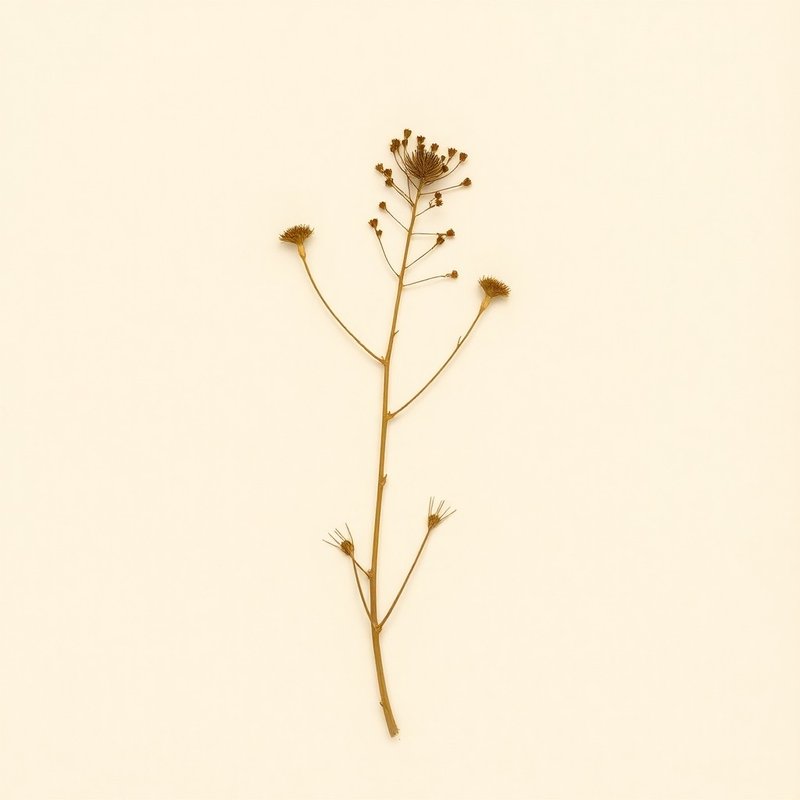
Atraphaxis spinosa, commonly known as spiny atraphaxis, is a member of the Asteraceae family and is native to a wide range of countries including Afghanistan, East European Russia, Egypt, Iran, Kazakhstan, Kirgizstan, Lebanon-Syria, Mongolia, and other parts of Central Asia. This shrub thrives in full sun and prefers moist, light (sandy) soil, growing to about 0.6 meters in height. Hardy in zones 5 to 9, it is well-suited to temperate regions. One of its distinctive features is the presence of spiny leaves, which provide protection against herbivores. Atraphaxis spinosa is known for its edible properties, particularly the manna it produces, making it a valuable resource in some areas. While not traditionally used for medicinal purposes, its cultivation is primarily for its edible and ornamental value.
What is Atraphaxis spinosa?
Atraphaxis spinosa, commonly known as spiny atraphaxis, is a member of the Asteraceae family and is native to a wide range of countries including Afghanistan, East European Russia, Egypt, Iran, Kazakhstan, Kirgizstan, Lebanon-Syria, Mongolia, and other parts of Central Asia.
VCultivation
Cultivation
How to grow Atraphaxis spinosa for the first time
Start with Atraphaxis spinosa by planting it in a sunny spot and providing well-draining soil.
- 1
What you'll need
Atraphaxis spinosa seeds or small plants, a trowel, and a watering can.
- 2
Best time to plant
Plant Atraphaxis spinosa in spring after the last frost or in early fall.
- 3
Soil and container prep
Use light, sandy soil that drains well. Ensure containers have drainage holes if planting in pots.
- 4
Sowing or transplanting
Direct sow seeds 0.5 cm deep or plant small plants at a spacing of about 30 cm.
- 5
First two weeks
Water the soil thoroughly after planting and keep it moist but not waterlogged during this period.
- 6
Ongoing care
Provide full sun exposure. Water when the top inch of soil feels dry, especially in hot weather.
- 7
Harvest or pruning
Prune dead or damaged foliage to maintain plant health and appearance.
VIEdible & utility
Edible & utility
VIIDistribution
20 native · 0 introduced
Distribution
20 native · 0 introducedIXSpecimen gallery
1 image
Specimen gallery
1 imageExplore further
About this entry
- Last updated
- Citation
- How to cite this entry · Submit a correction
Continue reading
Get archive updates
Occasional email when substantial new content lands — plant profiles, seasonal growing notes, folk-remedy additions. Free, no tracking, unsubscribe anytime.