
California Orach
IOverview
Overview
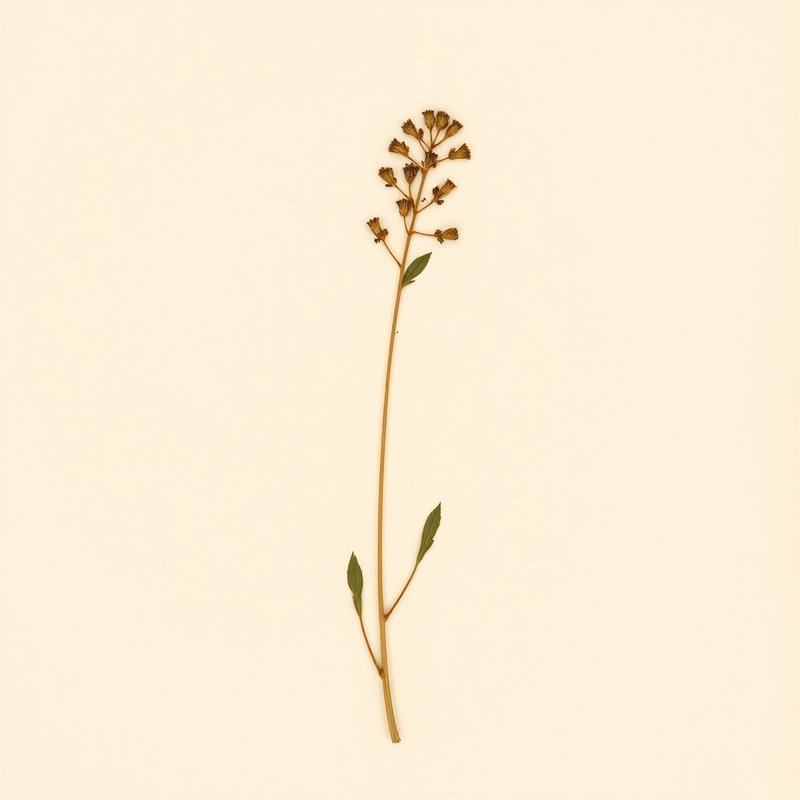
California Orach, scientifically known as Atriplex californica, is a perennial plant native to the arid and semi-arid regions of California and Mexico's northwest. Thriving in full sun, this hardy species can adapt to varying soil conditions, from light (sandy) to medium, and can tolerate both dry and moist environments. Standing at about 0.1 meters tall, California Orach is known for its edible leaves and seeds, which can be eaten raw in salads or cooked as a vegetable. The leaves and seeds add a mild salty flavor to dishes, making them a valuable resource in the landscape. This plant's adaptability to diverse habitats and its use as an edible plant are notable features that distinguish California Orach from other members of its family. While not medicinal, it is a useful addition to gardens and culinary dishes in temperate regions, hardy in zones 7-10.
What is California Orach?
California Orach, scientifically known as Atriplex californica, is a perennial plant native to the arid and semi-arid regions of California and Mexico's northwest.
VCultivation
Cultivation
How to grow California Orach for the first time
Start with California Orach to gain confidence in your gardening skills.
- 1
What you'll need
Seeds or seedlings, a small trowel, and a watering can.
- 2
Best time to plant
Plant in spring after the last frost or in fall before the first freeze.
- 3
Soil and container prep
Choose a well-draining soil with a pH between 6.0 and 8.0, and prepare containers at least 15 cm deep.
- 4
Sowing or transplanting
Direct sow seeds 2-3 mm deep in the garden bed or start seedlings indoors and transplant them later.
- 5
First two weeks
Water regularly to keep soil moist but not waterlogged, and protect from extreme heat.
- 6
Ongoing care
Provide full sun exposure and reduce watering once established. Prune occasionally for shape.
- 7
Harvest or pruning
Prune stems lightly in spring to encourage bushy growth; harvest leaves as needed throughout the growing season.
- 8
Common mistakes
Overwatering, planting in heavy soil, and not providing enough sunlight are common issues.
VIEdible & utility
Edible & utility
VIIDistribution
2 native · 0 introduced
Distribution
2 native · 0 introducedIXSpecimen gallery
1 image
Specimen gallery
1 imageExplore further
About this entry
- Last updated
- Citation
- How to cite this entry · Submit a correction
Continue reading
Get archive updates
Occasional email when substantial new content lands — plant profiles, seasonal growing notes, folk-remedy additions. Free, no tracking, unsubscribe anytime.