
Salt bush
Atriplex canescens
Educational content — not medical, botanical, or professional advice. Plant identification, safety, and edibility depend on local conditions, cultivars, and correct identification. Consult a qualified botanist or forager before consuming or handling wild specimens. How we source & review →
Garden journal pausedUse profile notes below
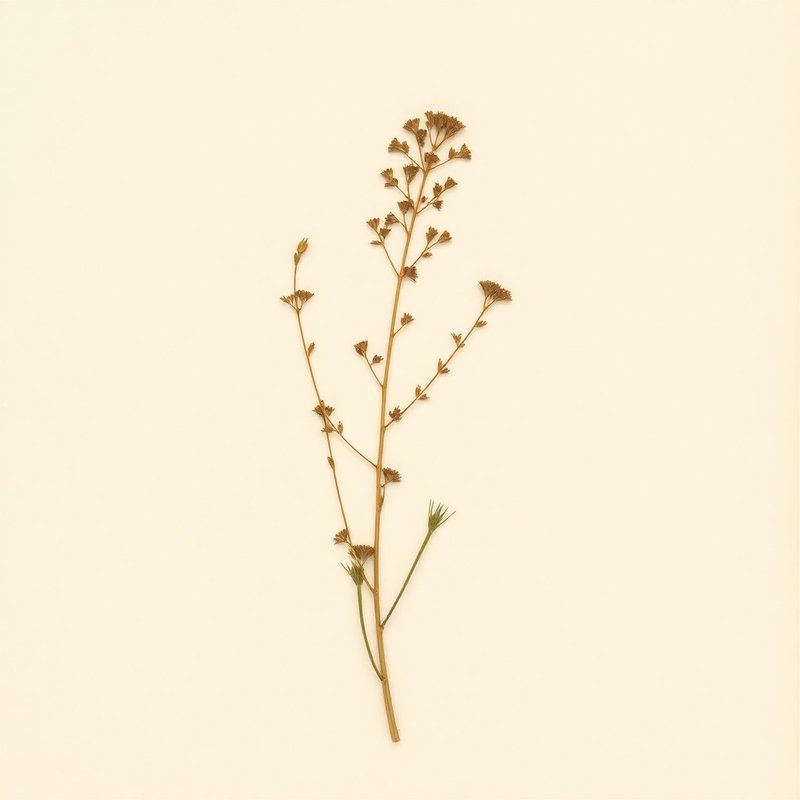
Pl. C52E — Atriplex canescens
Atriplex canescensAtriplex canescensAtriplex canescensAtriplex canescensAtriplex canescensAtriplex canescensAtriplex canescensAtriplex canescensAtriplex canescensAtriplex canescensAtriplex canescensAtriplex canescensAtriplex canescensAtriplex canescens
IOverview
Overview
Atriplex canescens, commonly known as salt bush, is a shrub belonging to the Chenopodiaceae family. Native to regions including Alberta, Arizona, California, Colorado, Idaho, Kansas, Mexico (Central, Gulf, Northeast, Northwest, Southeast), Montana, Nebraska, Nevada, New Mexico, North Dakota, Oklahoma, Oregon, South Dakota, Texas, Utah, Washington, and Wyoming, this plant thrives in a variety of environments. Its adaptability is evident from its ability to grow in soil with a pH ranging from 6 to 9, making it suitable for both dry and moist conditions. The salt bush is known for its edible parts, including the leaves and seeds, which can be used for various culinary purposes such as adding color or flavor to dishes. Its growth habit as a perennial shrub allows it to reach heights of up to 1.8 meters, making it a noticeable presence in its native habitats. The plant's evergreen leaves contribute to its year-round ornamental value. Salt bush is also valued for its practical uses, such as dye production and animal feed. Its rapid growth rate and multiple stem structure make it suitable for hedgerows and fire retardant purposes. Introduced into regions like Egypt, Gulf States, Iran, Morocco, New South Wales, Pakistan, Palestine, Saudi Arabia, South Australia, Tunisia, and Western Australia, this plant has shown its versatility beyond its native range. While the salt bush is not known for medicinal properties, it remains an important resource in various contexts due to its edible and practical benefits.
Quick answers
What is Salt bush?
Atriplex canescens, commonly known as salt bush, is a shrub belonging to the Chenopodiaceae family.
Growingconditions · propagation · uses
VCultivation
Cultivation
This shrub requires full sun to thrive. It can tolerate a range of soil types, from light and sandy to medium, with a pH between 6 and 9. Watering needs are flexible, as it can handle both dry and moist conditions. Hardy in zones 6-9, it is suitable for temperate regions with moderate temperatures. To propagate, specific methods are not provided, but given its perennial life cycle, common techniques may apply. With proper care, it can grow up to 1.8 meters tall, producing edible leaves and seeds.
Light
Full sun
Water
Dry, Moist
Soil
Light (sandy), Medium
Hardiness
6-9
Life cycle
Perennial
Habit
Shrub
Mature size
1.8 m tall
Soil pH
6–9
For first-time growers
How to grow Salt bush for the first time
8steps
Start with a simple salt bush planting to get familiar with shrub care.
- 1
What you'll need
Seeds or small plants, garden gloves, trowel.
- 2
Best time to plant
Plant in spring after the last frost or fall before the first freeze.
- 3
Soil and container prep
Choose a well-draining spot with light soil. Ensure containers have good drainage holes.
- 4
Sowing or transplanting
Direct sow seeds 1 cm deep, or plant small shrubs in the ground or pots.
- 5
First two weeks
Water sparingly to avoid waterlogging but ensure soil is not bone dry. Monitor for pests and diseases.
- 6
Ongoing care
Provide full sun and minimal watering once established. Prune lightly in spring to maintain shape.
- 7
Harvest or pruning
Prune shrubs in late winter before new growth starts to encourage a bushy shape.
- 8
Common mistakes
Overwatering, planting in heavy soil, neglecting sun exposure.
VIEdible & utility
Edible & utility
Edible parts:LeavesSeed
Edible uses: Colouring, Drink
Other uses:DyeFire retardantAnimal feedHedgerowPotash
Contextrange · companions · related
VIIDistribution
23 native · 11 introduced
Distribution
23 native · 11 introducedDistribution across2 continents· 23 native· 11 introduced
Asia4 regions
introduced (4)IranPakistanPalestineSaudi Arabia
Africa3 regions
introduced (3)EgyptMoroccoTunisia
Broader regions
native:Alberta, Arizona, California, Colorado, Idaho, Kansas, Mexico Central, Mexico Gulf, Mexico Northeast, Mexico Northwest, Mexico Southeast, Montana, Nebraska, Nevada, New Mexico, North Dakota, Oklahoma, Oregon, South Dakota, Texas, Utah, Washington, Wyoming
introduced:Gulf States, New South Wales, South Australia, Western Australia
IXSpecimen gallery
1 image
Specimen gallery
1 imageXI
Explore further
XII
About this entry
- Last updated
- Citation
- How to cite this entry · Submit a correction
Back to the cataloguePlant id · c52ed073-eaf4-4365-bbb8-917b8f979870
Decision aid
Choosing between Salt bush and something else?
Continue reading
❦❦❦❦
Endpaper · archive updates
Get archive updates
Occasional email when substantial new content lands — plant profiles, seasonal growing notes, folk-remedy additions. Free, no tracking, unsubscribe anytime.
Newsletter returning soon.
We are rebuilding the update list around a lightweight editorial workflow. New dispatches will resume after the next content review cycle.