
Sea Orach
Atriplex halimus
Educational content — not medical, botanical, or professional advice. Plant identification, safety, and edibility depend on local conditions, cultivars, and correct identification. Consult a qualified botanist or forager before consuming or handling wild specimens. How we source & review →
Garden journal pausedUse profile notes below
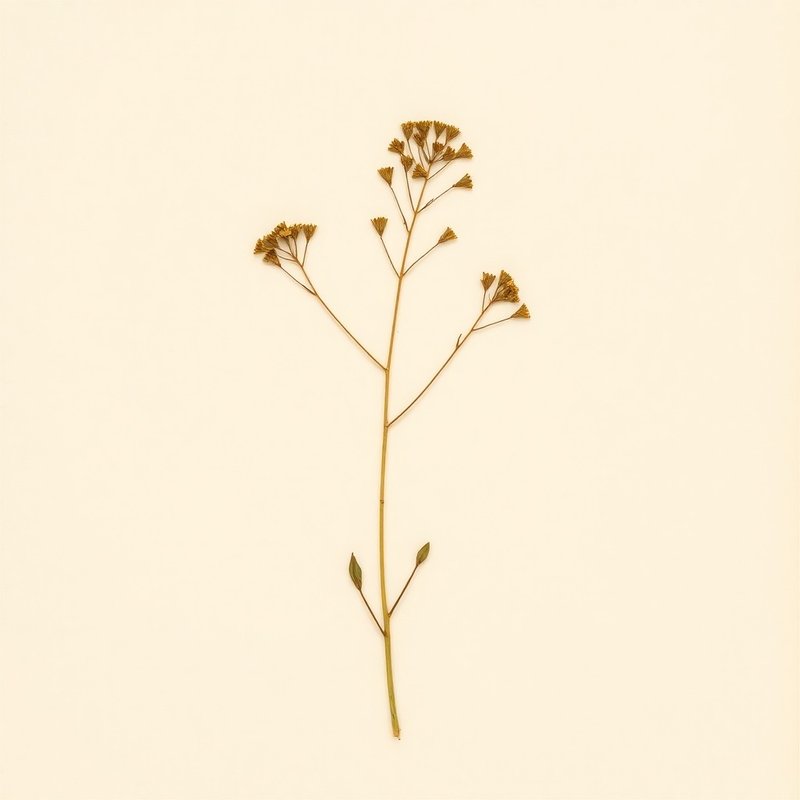
Pl. 25B4 — Atriplex halimus
Atriplex halimusAtriplex halimusAtriplex halimusAtriplex halimusAtriplex halimusAtriplex halimusAtriplex halimusAtriplex halimusAtriplex halimusAtriplex halimusAtriplex halimusAtriplex halimusAtriplex halimusAtriplex halimus
IOverview
Overview
Sea Orach (Atriplex halimus) is a perennial shrub native to Mediterranean and North African regions such as Algeria, Baleares, Canary Islands, Cyprus, Egypt, and others. This hardy plant can grow up to 2 meters in height and thrives in light to medium soil with a pH between 7.5 and 8, making it well-suited for both dry and moist conditions. Sea Orach is known for its edible leaves and seeds, which are used in various culinary dishes. Its distinctive feature lies in its ability to grow in harsh environments, contributing to its resilience and adaptability across a wide range of habitats. This shrub is native to Algeria, Baleares, Canary Islands, Cyprus, Egypt, Eritrea, Ethiopia, France, Greece, Iraq, Italy, Lebanon-Syria, Libya, Madeira, Mali, Mauritania, Morocco, Palestine, Portugal, Sardegna, Saudi Arabia, Sicilia, Sinai, Somalia, Spain, Tunisia, Turkey, and Western Sahara. It has been introduced to Amsterdam-St.Paul Islands, Belgium, Great Britain, and Iran. Sea Orach thrives in full sun to partial shade and can grow up to 2 meters tall. Its leaves and seeds are edible and used in various culinary applications. The plant is useful as a hedgerow and for soil reclamation projects due to its hardiness and adaptability. While Sea Orach is not known for medicinal properties, it remains an important ornamental and edibility resource in many regions.
Quick answers
What is Sea Orach?
Sea Orach (Atriplex halimus) is a perennial shrub native to Mediterranean and North African regions such as Algeria, Baleares, Canary Islands, Cyprus, Egypt, and others. This hardy plant can grow up to 2 meters in height and thrives in light to medium soil with a pH between 7.
Growingconditions · propagation · uses
VCultivation
Cultivation
Sea Orach thrives in light to medium soil, preferring a pH of 7.5–8. It is drought-tolerant but will also grow well in moist conditions. The plant can handle dry areas and is hardy in temperate regions with zones 7-10. Sea Orach requires full sun to partial shade and grows up to 2 meters tall. For propagation, use seeds or cuttings. Harvest the leaves and seeds for culinary use.
Light
8/10
Water
Dry, Moist
Soil
Light (sandy), Medium
Hardiness
7-10
Mature size
2.0 m tall
Soil pH
7.5–8
For first-time growers
How to grow Sea Orach for the first time
8steps
Start with Sea Orach to gain experience in growing salt-tolerant plants.
- 1
What you'll need
A small pot, quality soil, and seeds or a young plant.
- 2
Best time to plant
Plant in spring when the weather starts warming up.
- 3
Soil and container prep
Use well-draining soil with a pH between 7.5 and 8. Ensure containers are at least 12 inches wide.
- 4
Sowing or transplanting
Direct sow seeds in the prepared soil, covering them lightly. Alternatively, transplant young plants gently.
- 5
First two weeks
Keep the soil consistently moist until germination and new growth appears.
- 6
Ongoing care
Water sparingly but deeply when needed, allowing the top inch of soil to dry out between waterings. Provide full sun exposure.
- 7
Harvest or pruning
Prune lightly in spring to encourage bushy growth and remove any dead or damaged parts as needed.
- 8
Common mistakes
Overwatering, using soil with a wrong pH, not providing enough sunlight, neglecting to prune, and planting too deep.
VIEdible & utility
Edible & utility
Edible parts:LeavesSeed
Edible uses: Manna
Other uses:HedgerowSoap makingSoil reclamation
Contextrange · companions · related
VIIDistribution
32 native · 4 introduced
Distribution
32 native · 4 introducedDistribution across3 continents· 32 native· 4 introduced
Europe8 regions
native (6)CyprusFranceGreeceItalyPortugalSpain
introduced (2)BelgiumUnited Kingdom
Asia5 regions
native (4)IraqPalestineSaudi ArabiaTurkey
introduced (1)Iran
Africa12 regions
native (12)AlgeriaCabo VerdeEgyptEritreaEthiopiaLibyaMaliMauritaniaMoroccoSomaliaTunisiaWestern Sahara
Broader regions
native:East Aegean Is., Kriti, Lebanon-Syria, Sinai
introduced:Amsterdam-St.Paul Is
IXSpecimen gallery
1 image
Specimen gallery
1 imageXI
Explore further
Companion planting
Growing zone
Native to
XII
About this entry
- Last updated
- Citation
- How to cite this entry · Submit a correction
Back to the cataloguePlant id · 25b4d773-b5d0-433e-9c8d-d092f9a1359e
Decision aid
Choosing between Sea Orach and something else?
Continue reading
❦❦❦❦
Endpaper · archive updates
Get archive updates
Occasional email when substantial new content lands — plant profiles, seasonal growing notes, folk-remedy additions. Free, no tracking, unsubscribe anytime.
Newsletter returning soon.
We are rebuilding the update list around a lightweight editorial workflow. New dispatches will resume after the next content review cycle.