
Powell's Saltweed
IOverview
Overview
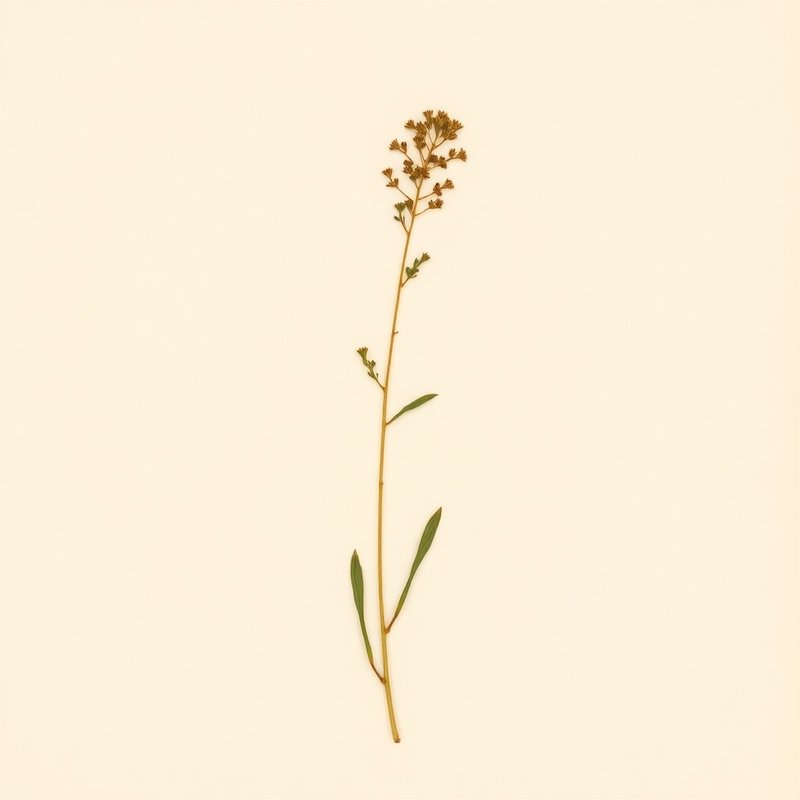
Powell's Saltweed (Atriplex powellii) is an annual forb or herb native to the western and central United States and Canada, including regions such as Alberta, Arizona, Colorado, Idaho, Montana, Nebraska, New Mexico, North Dakota, Oregon, Saskatchewan, South Dakota, Utah, and Wyoming. This plant thrives in full sun and can tolerate both dry and moist conditions, thriving in light (sandy) to medium soil types. Standing up to 1.5 meters tall, Powell's Saltweed is known for its edible leaves and seeds, making it a valuable resource for those interested in foraging. The leaves can be eaten raw or cooked, while the seeds are often dried before consumption. This plant's adaptability to various habitats and its utility as an edible plant make it noteworthy among native flora. While Powell's Saltweed is not traditionally used for medicinal purposes, its edible parts provide a versatile ingredient for culinary use. Its presence in diverse environments across its native range highlights its resilience and ecological significance.
What is Powell's Saltweed?
Powell's Saltweed (Atriplex powellii) is an annual forb or herb native to the western and central United States and Canada, including regions such as Alberta, Arizona, Colorado, Idaho, Montana, Nebraska, New Mexico, North Dakota, Oregon, Saskatchewan, South Dakota, Utah, and Wyoming.
VCultivation
Cultivation
How to grow Powell's Saltweed for the first time
Start with Powell's Saltweed as an easy-to-grow annual for beginners.
- 1
What you'll need
Seeds, a small trowel or scoop, and a watering can.
- 2
Best time to plant
Plant in spring after the last frost, when soil is warm.
- 3
Soil and container prep
Choose a spot with full sun. Prepare loose, well-draining soil.
- 4
Sowing or transplanting
Direct sow seeds 1 cm deep in rows 30-45 cm apart. Thin seedlings to 30 cm apart.
- 5
First two weeks
Water gently but regularly, keeping soil moist until plants are established.
- 6
Ongoing care
Provide full sun and minimal water once established. Prune lightly if needed.
- 7
Harvest or pruning
Prune back after flowering to encourage new growth and maintain shape.
- 8
Common mistakes
Overwatering, planting in heavy soil, neglecting to thin seedlings.
VIEdible & utility
Edible & utility
VIIDistribution
13 native · 0 introduced
Distribution
13 native · 0 introducedIXSpecimen gallery
1 image
Specimen gallery
1 imageExplore further
About this entry
- Last updated
- Citation
- How to cite this entry · Submit a correction
Continue reading
Get archive updates
Occasional email when substantial new content lands — plant profiles, seasonal growing notes, folk-remedy additions. Free, no tracking, unsubscribe anytime.