
Avena brevis
Avena brevis
Educational content — not medical, botanical, or professional advice. Plant identification, safety, and edibility depend on local conditions, cultivars, and correct identification. Consult a qualified botanist or forager before consuming or handling wild specimens. How we source & review →
Garden journal pausedUse profile notes below
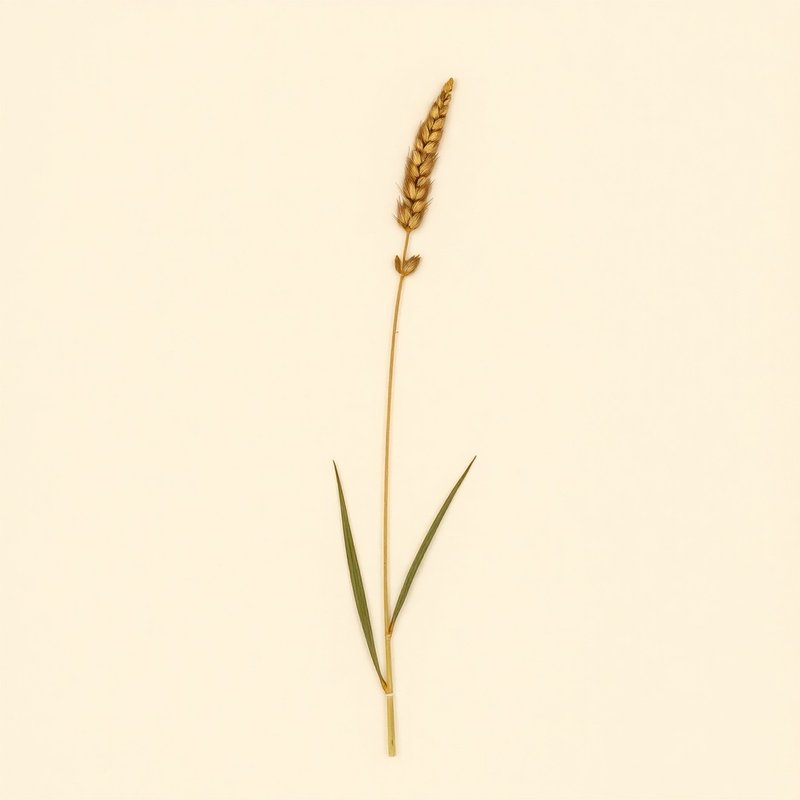
Pl. CD4A — Avena brevis
Avena brevisAvena brevisAvena brevisAvena brevisAvena brevisAvena brevisAvena brevisAvena brevisAvena brevisAvena brevisAvena brevisAvena brevisAvena brevisAvena brevis
IOverview
Overview
Avena brevis, commonly known as short oat, is an annual graminoid native to central and southern Europe, including Austria, Belgium, Czechoslovakia, France, Germany, Hungary, Italy, the Netherlands, Poland, Portugal, Spain, and Yugoslavia. This plant thrives in a variety of soil types—light (sandy), medium, and heavy (clay)—with a pH range of 7.5 to 8, making it adaptable to diverse growing conditions. Avena brevis is recognized for its edible seeds, which can be used in various culinary applications such as coffee substitutes. It prefers dry to moist environments, distinguishing it from other oat species. This annual graminoid grows best in full sun to partial shade and is hardy in temperate regions. For cultivation, ensure the soil remains consistently moist but not waterlogged, as Avena brevis requires these conditions for optimal growth. Plant seeds directly in the garden once all danger of frost has passed, and maintain light soil moisture throughout the growing season. While primarily used for its edible parts, Avena brevis can also serve practical purposes such as providing fiber, mulch, or textiles.
Quick answers
What is Avena brevis?
Avena brevis, commonly known as short oat, is an annual graminoid native to central and southern Europe, including Austria, Belgium, Czechoslovakia, France, Germany, Hungary, Italy, the Netherlands, Poland, Portugal, Spain, and Yugoslavia.
Growingconditions · propagation · uses
VCultivation
Cultivation
Avena brevis thrives in well-drained to moist soils with a pH between 7.5 and 8, making it suitable for slightly alkaline conditions. It prefers light (sandy), medium, or heavy (clay) soil types but can tolerate various environments. This annual graminoid is hardy in temperate regions and grows best in full sun to partial shade. For cultivation, ensure the soil remains consistently moist but not waterlogged, as it requires dry to moist conditions. Plant seeds directly in the garden once all danger of frost has passed, and maintain light soil moisture throughout the growing season.
Light
8/10
Water
Dry, Moist
Soil
Light (sandy), Medium, Heavy (clay)
Life cycle
Annual
Habit
Graminoid
Soil pH
7.5–8
For first-time growers
How to grow Avena brevis for the first time
8steps
Start with Avena brevis as an easy-to-grow annual grass, focusing on basic soil preparation and care.
- 1
What you'll need
A packet of Avena brevis seeds.
- 2
Best time to plant
Plant in spring after the last frost or in fall before the first freeze.
- 3
Soil and container prep
Choose a location with well-draining soil, ideally pH 7.5–8. Loosen the topsoil to about 10 inches deep.
- 4
Sowing or transplanting
Broadcast seeds evenly over the prepared area and cover lightly with soil. Keep rows at least 6 inches apart.
- 5
First two weeks
Water regularly, keeping the soil moist but not waterlogged. Thin seedlings to about 12 inches apart as they grow.
- 6
Ongoing care
Continue regular watering and thinning if necessary. Monitor for pests and diseases.
- 7
Harvest or pruning
Allow the plants to mature, then cut down the stems when seeds are dry and easily detached from the plant.
- 8
Common mistakes
Overwatering, planting too close together, neglecting thinning, not allowing enough time for seed maturation.
VIEdible & utility
Edible & utility
Edible parts:Seed
Edible uses: Coffee
Other uses:FiberMulchtextiles
Contextrange · companions · related
VIIDistribution
12 native · 6 introduced
Distribution
12 native · 6 introducedDistribution across1 continent· 12 native· 6 introduced
Europe15 regions
native (10)AustriaBelgiumFranceGermanyHungaryItalyNetherlandsPolandPortugalSpain
introduced (5)PortugalRussiaSpainSwedenUnited Kingdom
Broader regions
native:Czechoslovakia, Yugoslavia
IXSpecimen gallery
1 image
Specimen gallery
1 imageXI
Explore further
Companion planting
Native to
XII
About this entry
- Last updated
- Citation
- How to cite this entry · Submit a correction
Back to the cataloguePlant id · cd4a7a98-d5db-4817-9c6c-2f98e1152829
Decision aid
Choosing between Avena brevis and something else?
Continue reading
❦❦❦❦
Endpaper · archive updates
Get archive updates
Occasional email when substantial new content lands — plant profiles, seasonal growing notes, folk-remedy additions. Free, no tracking, unsubscribe anytime.
Newsletter returning soon.
We are rebuilding the update list around a lightweight editorial workflow. New dispatches will resume after the next content review cycle.