
Sterile Oats
Avena sterilis
Educational content — not medical, botanical, or professional advice. Plant identification, safety, and edibility depend on local conditions, cultivars, and correct identification. Consult a qualified botanist or forager before consuming or handling wild specimens. How we source & review →
Garden journal pausedUse profile notes below
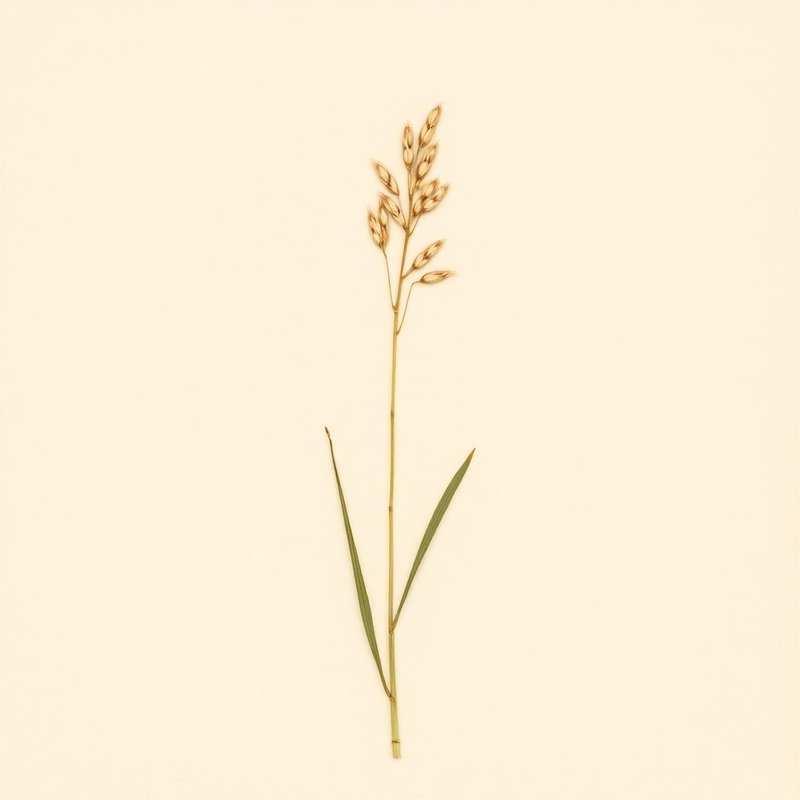
Pl. 1480 — Avena sterilis
Avena sterilisAvena sterilisAvena sterilisAvena sterilisAvena sterilisAvena sterilisAvena sterilisAvena sterilisAvena sterilisAvena sterilisAvena sterilisAvena sterilisAvena sterilisAvena sterilis
IOverview
Overview
Sterile Oats, scientifically known as Avena sterilis, is an annual grass that thrives in a wide range of environments across Asia and Africa, from the Mediterranean to the Middle East and beyond. Native to regions including Afghanistan, Albania, and Algeria, this plant has adapted to diverse habitats such as dry and moist areas with medium to heavy clay soils. Known for its edible seed, Sterile Oats can grow up to 1 meter tall in full sun, making it a valuable resource where other crops may struggle. Its ability to withstand various soil conditions and climates makes it a resilient plant in agricultural settings, particularly useful for areas with varying moisture levels and soil types. Sterile Oats are native to regions such as Afghanistan, Albania, Algeria, and many other countries in the Mediterranean, Middle East, and North Africa. They have been introduced to various parts of the world, including Argentina, Austria, Brazil, and parts of Europe and North America. While primarily used as a fiber source and for making mulch and textiles, Sterile Oats can also be used as a coffee substitute due to the edible nature of its seeds. However, it is important to note that this plant has the potential to become a weed in non-native environments.
Quick answers
What is Sterile Oats?
Sterile Oats, scientifically known as Avena sterilis, is an annual grass that thrives in a wide range of environments across Asia and Africa, from the Mediterranean to the Middle East and beyond.
Growingconditions · propagation · uses
VCultivation
Cultivation
Sterile Oats thrive in full sun and can grow up to 1 meter tall. They prefer well-drained soil that is medium or heavy (clay) in texture and are adaptable to both dry and moist conditions. These annual plants are hardy in temperate regions and can be propagated by seed. Given their native range, they may require careful monitoring of watering needs depending on local climate conditions.
Light
Full sun
Water
Dry, Moist
Soil
Medium, Heavy (clay)
Life cycle
Annual
Mature size
1.0 m tall
For first-time growers
How to grow Sterile Oats for the first time
8steps
Sterile Oats are a straightforward annual crop for beginners, focusing on basic planting and care.
- 1
What you'll need
Sterile oat seeds, a garden plot or container with good drainage.
- 2
Best time to plant
Plant in early spring when the soil is workable and all danger of frost has passed.
- 3
Soil and container prep
Choose a location that receives full sun. Ensure the soil is well-draining, with medium or heavy texture.
- 4
Sowing or transplanting
Direct sow seeds 0.5-1 inch deep and 6 inches apart in rows spaced about 2 feet apart.
- 5
First two weeks
Keep the soil consistently moist until germination, then reduce watering to avoid overwatering.
- 6
Ongoing care
Regularly check for weeds and remove them. Apply a light mulch if needed to retain moisture.
- 7
Harvest or pruning
Cut the plants down when the seed heads are dry, usually in late summer or early fall.
- 8
Common mistakes
Overwatering, planting too deep, neglecting weed control, and not harvesting at the right time.
VIEdible & utility
Edible & utility
Edible parts:Seed
Edible uses: Coffee
Other uses:FiberMulchtextiles
Contextrange · companions · related
VIIDistribution
49 native · 41 introduced
Distribution
49 native · 41 introducedDistribution across4 continents· 49 native· 41 introduced
Europe19 regions
native (11)AlbaniaBulgariaCyprusFranceGreeceItalyPortugalRomaniaRussiaSpainUkraine
introduced (8)AustriaBelgiumGermanyHungaryPortugalSwedenSwitzerlandUnited Kingdom
Asia14 regions
native (11)AfghanistanIranIraqKazakhstanPakistanPalestineSaudi ArabiaTurkeyTurkmenistanUzbekistanYemen
introduced (3)ChinaJapanSri Lanka
Americas6 regions
introduced (6)BoliviaCosta RicaEcuadorPeruUruguayVenezuela
Africa9 regions
native (8)AlgeriaEgyptEritreaEthiopiaKenyaLibyaMoroccoTunisia
introduced (1)Western Sahara
Broader regions
native:East Aegean Is., Gulf States, Kirgizstan, Kriti, Lebanon-Syria, Primorye, Sinai, Tadzhikistan, Transcaucasus, Turkey-in-Europe, West Himalaya, Yugoslavia
introduced:Argentina Northeast, Argentina Northwest, Brazil South, Brazil Southeast, California, Cape Provinces, Chile Central, Czechoslovakia, New Jersey, New South Wales, New Zealand North, New Zealand South, Ontario, Oregon, Pennsylvania, Québec, Queensland, Réunion, South Australia, Tasmania, Victoria, Western Australia
IXSpecimen gallery
1 image
Specimen gallery
1 imageXI
Explore further
Companion planting
Native to
XII
About this entry
- Last updated
- Citation
- How to cite this entry · Submit a correction
Back to the cataloguePlant id · 14808727-7bc1-4482-8791-bade63d231cc
Decision aid
Choosing between Sterile Oats and something else?
Continue reading
❦❦❦❦
Endpaper · archive updates
Get archive updates
Occasional email when substantial new content lands — plant profiles, seasonal growing notes, folk-remedy additions. Free, no tracking, unsubscribe anytime.
Newsletter returning soon.
We are rebuilding the update list around a lightweight editorial workflow. New dispatches will resume after the next content review cycle.