
African Pearwood
Baillonella toxisperma
Educational content — not medical, botanical, or professional advice. Plant identification, safety, and edibility depend on local conditions, cultivars, and correct identification. Consult a qualified botanist or forager before consuming or handling wild specimens. How we source & review →
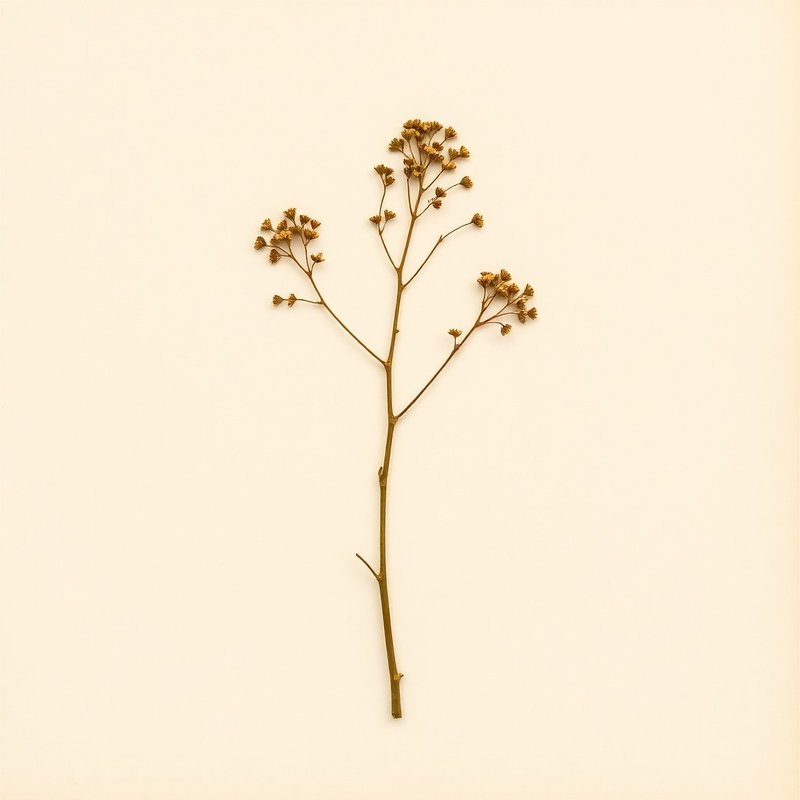
Pl. EF3F — Baillonella toxisperma
Baillonella toxispermaBaillonella toxispermaBaillonella toxispermaBaillonella toxispermaBaillonella toxispermaBaillonella toxispermaBaillonella toxispermaBaillonella toxispermaBaillonella toxispermaBaillonella toxispermaBaillonella toxispermaBaillonella toxispermaBaillonella toxispermaBaillonella toxisperma
IOverview
Overview
African Pearwood (Baillonella toxisperma) is a large tree native to the wet forests of West and Central Africa, including Cabinda, Cameroon, Central African Republic, Congo, Gabon, Nigeria, and Zaïre. Known for its edible fruit, which resembles a pear in both taste and shape, this tree thrives in moist environments with light or partial sun exposure. Its adaptability to various soil types, from sandy to clay, makes it a versatile species within its native range. One distinctive feature is the tree's height, reaching up to 50 meters, while another notable characteristic is its use for edible parts, specifically the fruit and seeds.
Quick answers
What is African Pearwood?
African Pearwood (Baillonella toxisperma) is a large tree native to the wet forests of West and Central Africa, including Cabinda, Cameroon, Central African Republic, Congo, Gabon, Nigeria, and Zaïre.
Growingconditions · propagation · uses
VCultivation
Cultivation
African Pearwood thrives in full to partial sun and requires moist soil that can be light (sandy), medium, or heavy (clay). It is hardy in zones 10-12 and can grow up to 50 meters tall. For propagation, the plant can be grown from fruit or seed. Ensure the soil remains consistently moist for best results.
Light
Full sun, Partial sun/shade
Water
Moist
Soil
Light (sandy), Medium, Heavy (clay)
Hardiness
10-12
Mature size
50.0 m tall
For first-time growers
How to grow African Pearwood for the first time
8steps
Start with a small sapling for the best beginner experience.
- 1
What you'll need
African Pearwood sapling, potting mix, container, gloves.
- 2
Best time to plant
Plant in spring or early summer when temperatures are warm.
- 3
Soil and container prep
Use a well-draining soil mix. Ensure the container is at least 15 liters (4 gallons) for saplings.
- 4
Sowing or transplanting
Transplant the sapling into the prepared container, ensuring roots are not damaged.
- 5
First two weeks
Keep soil moist but not waterlogged. Place in a partially shaded area to acclimate.
- 6
Ongoing care
Provide full sun once established. Water when soil feels dry. Fertilize sparingly with balanced fertilizer.
- 7
Harvest or pruning
Prune young trees to shape and remove dead branches. Fruit is not commonly harvested by beginners.
- 8
Common mistakes
Overwatering, planting in heavy soil, neglecting sun exposure, using too much fertilizer.
VIEdible & utility
Edible & utility
Edible parts:FruitSeed
Edible uses: Oil
Other uses:HairoilSoap makingLumber
Contextrange · companions · related
VIIDistribution
7 native · 0 introduced
Distribution
7 native · 0 introducedDistribution across1 continent· 7 native
Africa3 regions
native (3)CameroonGabonNigeria
Broader regions
native:Central African Repu, Congo, Zaïre, Cabinda
IXSpecimen gallery
1 image
Specimen gallery
1 imageXI
Explore further
Companion planting
Growing zone
XII
About this entry
- Last updated
- Citation
- How to cite this entry · Submit a correction
Back to the cataloguePlant id · ef3f4567-b330-464e-a82f-2570a88eead7
Decision aid
Choosing between African Pearwood and something else?
Continue reading
❦❦❦❦
Endpaper · archive updates
Get archive updates
Occasional email when substantial new content lands — plant profiles, seasonal growing notes, folk-remedy additions. Free, no tracking, unsubscribe anytime.