
Deltoid Balsamroot
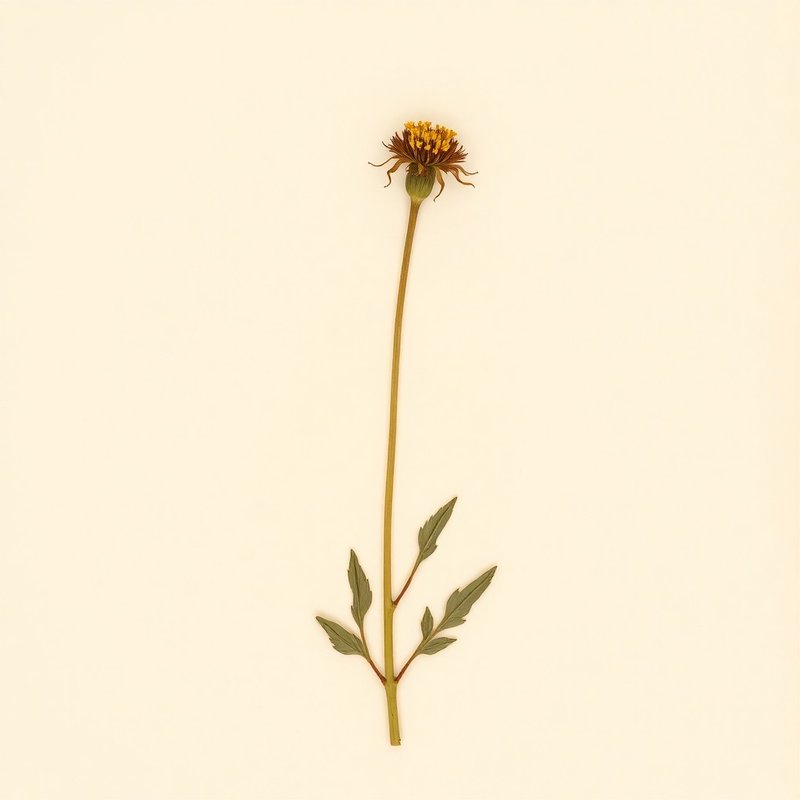
IOverview
Overview
Deltoid Balsamroot (Balsamorhiza deltoidea) is a perennial forb or herb native to the Pacific Northwest of North America, ranging from British Columbia to California and Oregon. This plant thrives in full sun and can adapt to varying soil conditions, from light (sandy) to medium, and can tolerate both dry and moist environments. Its distinctive deltoid-shaped leaves set it apart, contributing to its name. This hardy perennial, adaptable to USDA zones 4-8, is a valuable addition to gardens or natural landscapes for those interested in edible landscaping. The plant's edible parts include leaves, roots, seeds, and shoots, making it a versatile choice for culinary use. While not traditionally used for medicinal purposes, its edible nature makes it a useful plant for those looking to incorporate native species into their gardens or foraging practices. Deltoid Balsamroot can be propagated through seed or division of the rootstock, and once established, it requires minimal water. Its ability to thrive in a variety of conditions and its edible qualities make it an excellent choice for gardeners and nature enthusiasts.
What is Deltoid Balsamroot?
Deltoid Balsamroot (Balsamorhiza deltoidea) is a perennial forb or herb native to the Pacific Northwest of North America, ranging from British Columbia to California and Oregon.
VCultivation
Cultivation
How to grow Deltoid Balsamroot for the first time
Start with Deltoid Balsamroot as a simple, low-maintenance addition to your garden.
- 1
What you'll need
Seeds or small plants, a trowel, and a watering can.
- 2
Best time to plant
Plant in early spring or late fall when the soil is moist but not waterlogged.
- 3
Soil and container prep
Choose a well-draining spot with light, sandy or medium soil. Amend with compost if needed.
- 4
Sowing or transplanting
Direct sow seeds 0.5 cm deep in the ground or plant small seedlings at this depth.
- 5
First two weeks
Water sparingly to keep the soil moist but not soggy, and mulch lightly if needed.
- 6
Ongoing care
Provide full sun and minimal watering once established. Prune dead leaves as needed.
- 7
Harvest or pruning
Prune spent flowers to encourage more blooms and remove any yellowing leaves for a tidy appearance.
- 8
Common mistakes
Overwatering, planting in heavy soil, neglecting to mulch, not providing enough sunlight.
VIEdible & utility
Edible & utility
VIIDistribution
4 native · 0 introduced
Distribution
4 native · 0 introducedIXSpecimen gallery
1 image
Specimen gallery
1 imageExplore further
About this entry
- Last updated
- Citation
- How to cite this entry · Submit a correction
Continue reading
Get archive updates
Occasional email when substantial new content lands — plant profiles, seasonal growing notes, folk-remedy additions. Free, no tracking, unsubscribe anytime.