
Hoary Balsamroot
IOverview
Overview
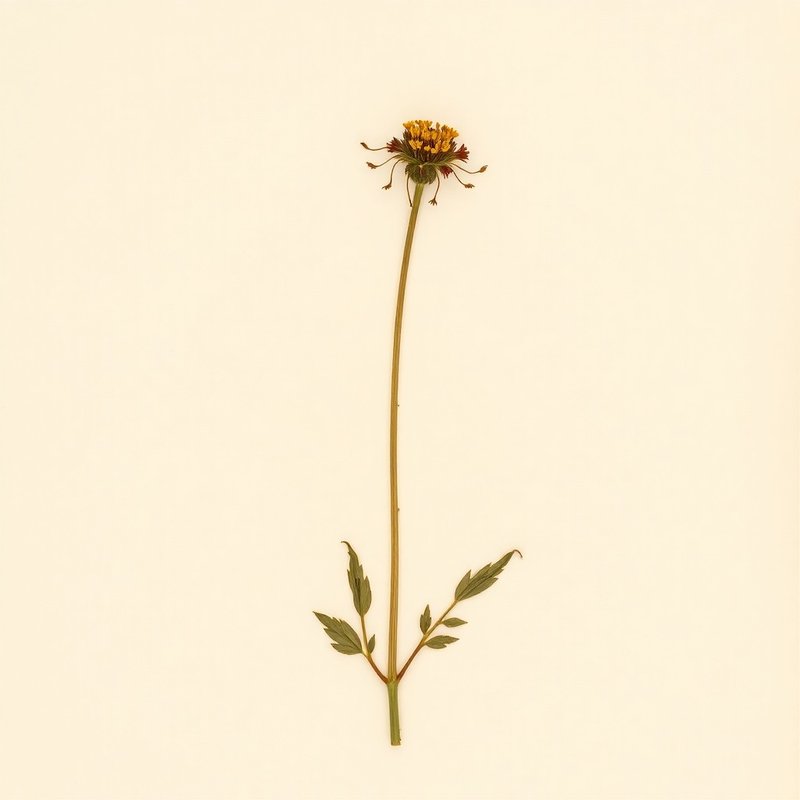
Hoary Balsamroot (Balsamorhiza incana) is a perennial forb or herb native to the western United States, specifically found in California, Idaho, Montana, Oregon, Washington, and Wyoming. This plant thrives in full sun and prefers light (sandy) or medium soil types, adapting to both dry and moist conditions. Standing at about 0.9 meters tall, Hoary Balsamroot is easily recognizable by its hoary appearance, characterized by fine white hairs covering its stems and leaves, giving them a silvery sheen. The roots of this plant are edible and can be eaten raw or cooked. They are often dug up in the spring when they are young and tender, then boiled or roasted to enhance their flavor. While not traditionally used medicinally, the roots provide a nutritious addition to the diet, particularly in the spring when other food sources may be scarce. Hoary Balsamroot is a valuable forage plant for wildlife and is often included in native plant gardens for its distinctive appearance and ecological benefits. This plant is hardy in zones 4-8, making it suitable for temperate regions. Propagate through seed sowing or division of the rootstock.
What is Hoary Balsamroot?
Hoary Balsamroot (Balsamorhiza incana) is a perennial forb or herb native to the western United States, specifically found in California, Idaho, Montana, Oregon, Washington, and Wyoming. This plant thrives in full sun and prefers light (sandy) or medium soil types, adapting to both dry and moist conditions.
VCultivation
Cultivation
How to grow Hoary Balsamroot for the first time
Start with planting Hoary Balsamroot in a sunny spot and follow these simple steps for success.
- 1
What you'll need
Seeds or small plants, a trowel, and a watering can.
- 2
Best time to plant
Plant seeds in early spring or fall when the soil is moist but not waterlogged.
- 3
Soil and container prep
Choose a location with well-draining soil that's light (sandy) to medium. Amend the soil if necessary to improve drainage.
- 4
Sowing or transplanting
Direct sow seeds 0.5 inches deep, spacing them about 1 foot apart. Transplant young plants in early spring.
- 5
First two weeks
Water sparingly but regularly during the first two weeks to help establish roots.
- 6
Ongoing care
Provide full sun and avoid overwatering, especially once established. Mulch around the plant to retain moisture.
- 7
Harvest or pruning
Prune dead leaves in late winter to encourage new growth and maintain a neat appearance.
- 8
Common mistakes
Overwatering, planting too deep, neglecting to mulch, not providing enough sunlight, and transplanting at the wrong time.
VIEdible & utility
Edible & utility
VIIDistribution
6 native · 0 introduced
Distribution
6 native · 0 introducedIXSpecimen gallery
1 image
Specimen gallery
1 imageExplore further
About this entry
- Last updated
- Citation
- How to cite this entry · Submit a correction
Continue reading
Get archive updates
Occasional email when substantial new content lands — plant profiles, seasonal growing notes, folk-remedy additions. Free, no tracking, unsubscribe anytime.