
Yellow Rocket
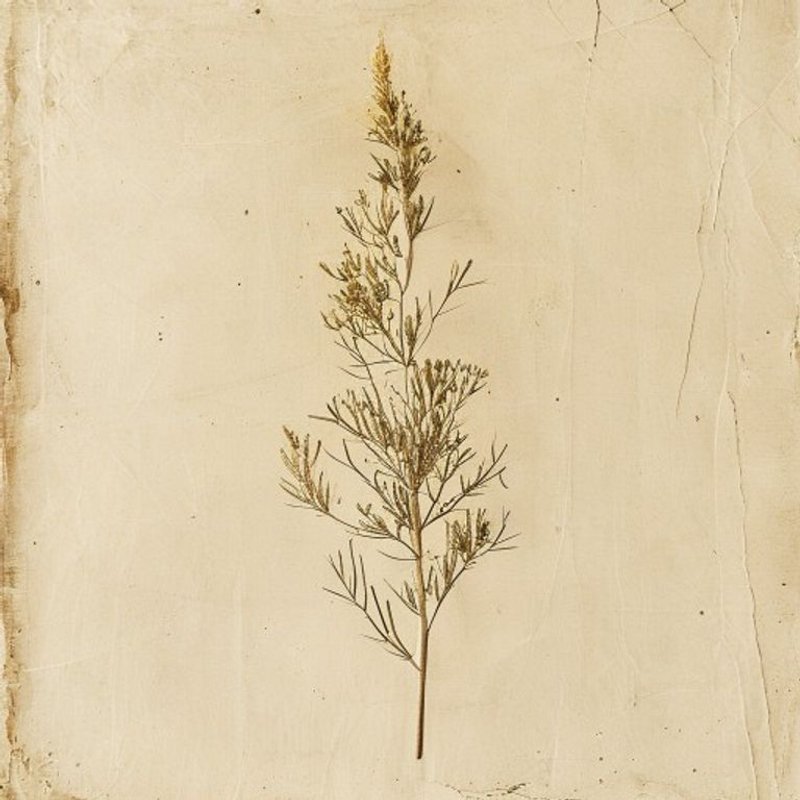
IOverview
Overview
Yellow Rocket (Barbarea vulgaris) is a perennial herb that thrives in moist, light to heavy soils with a pH preference between 7 and 7.5. Native to regions including Afghanistan, Albania, and Algeria, this plant has spread across Europe, Asia, and parts of North Africa. Known for its edible leaves and flowers, Yellow Rocket can be found growing up to 0.4 meters tall in various habitats such as fields, meadows, and disturbed areas. Its light requirement is moderate, making it adaptable to a range of environments from hardiness zones 5-9. This plant's distinctive features include its yellow flowers and ability to grow in diverse soil types, including sandy, medium, and clay soils. Yellow Rocket can be found in fields, meadows, and disturbed areas across Europe, Asia, and parts of North Africa. Its spread into new regions such as Alabama, Alaska, and Argentina South highlights its adaptability. The leaves and flowers of Yellow Rocket are edible and can be consumed raw or cooked. The leaves are typically added to salads or used as a vegetable, while the flowers can enhance the flavor of dishes. However, it is important to note that this plant has weed potential in some areas due to its invasive nature.
What is Yellow Rocket?
Yellow Rocket (Barbarea vulgaris) is a perennial herb that thrives in moist, light to heavy soils with a pH preference between 7 and 7.5. Native to regions including Afghanistan, Albania, and Algeria, this plant has spread across Europe, Asia, and parts of North Africa.
VCultivation
Cultivation
How to grow Yellow Rocket for the first time
Start with Yellow Rocket as a simple, hardy perennial for your garden.
- 1
What you'll need
Seeds or young plants, a trowel, and a watering can.
- 2
Best time to plant
Plant in early spring or late summer for best results.
- 3
Soil and container prep
Choose a location with well-draining soil that is light (sandy), medium, or heavy (clay). Ensure the pH is between 7-7.5.
- 4
Sowing or transplanting
Direct sow seeds 0.5 inches deep and 4 inches apart. Transplant young plants with care to avoid damaging roots.
- 5
First two weeks
Keep the soil consistently moist but not waterlogged during germination.
- 6
Ongoing care
Water regularly, especially in dry spells, and mulch around the base for moisture retention. Remove any weeds that compete with your plants.
- 7
Harvest or pruning
Prune spent flowers to encourage new growth and remove leaves as needed for use in cooking.
- 8
Common mistakes
Overwatering, planting too deep, neglecting to mulch, and not removing weeds.
VIEdible & utility
Edible & utility
VIIDistribution
61 native · 65 introduced
Distribution
61 native · 65 introducedIXSpecimen gallery
1 image
Specimen gallery
1 imageExplore further
About this entry
- Last updated
- Citation
- How to cite this entry · Submit a correction
Continue reading
Get archive updates
Occasional email when substantial new content lands — plant profiles, seasonal growing notes, folk-remedy additions. Free, no tracking, unsubscribe anytime.