
White bauhinia
Bauhinia petersiana
Educational content — not medical, botanical, or professional advice. Plant identification, safety, and edibility depend on local conditions, cultivars, and correct identification. Consult a qualified botanist or forager before consuming or handling wild specimens. How we source & review →
Garden journal pausedUse profile notes below
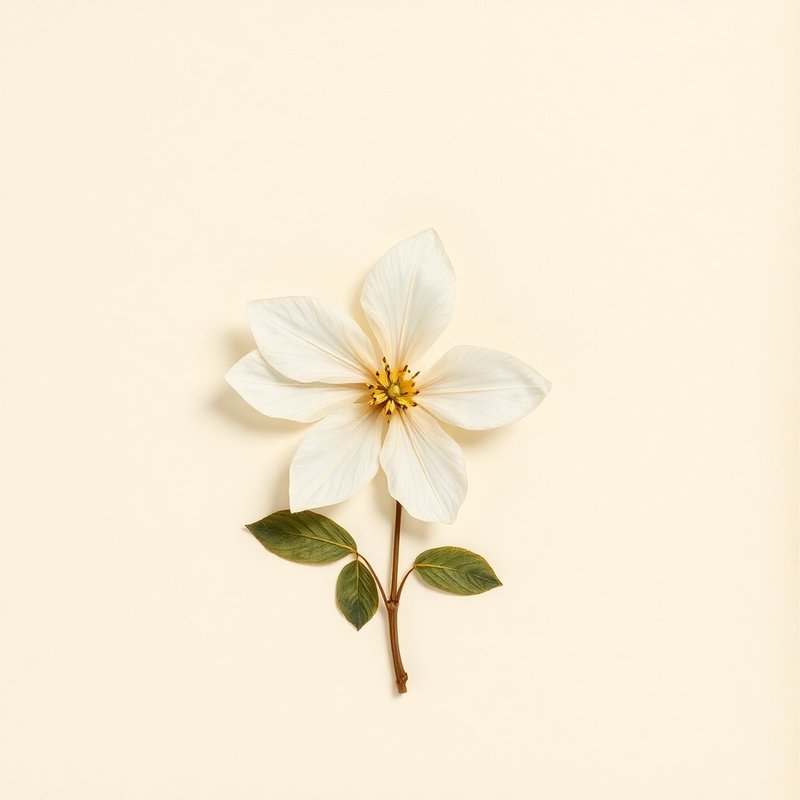
Pl. E471 — Bauhinia petersiana
Bauhinia petersianaBauhinia petersianaBauhinia petersianaBauhinia petersianaBauhinia petersianaBauhinia petersianaBauhinia petersianaBauhinia petersianaBauhinia petersianaBauhinia petersianaBauhinia petersianaBauhinia petersianaBauhinia petersianaBauhinia petersiana
IOverview
Overview
White bauhinia, Bauhinia petersiana, is a fast-growing deciduous tree in the pea family, Fabaceae, reaching roughly 7 meters in height. It is best identified by its leaves, which are palmate and deeply cleft so that they resemble a clover. The species is native to south-central and southeastern Africa, with records covering the Caprivi Strip, Malawi, Mozambique, Tanzania, Zambia, Zaïre (now the Democratic Republic of Congo), and Zimbabwe, and it has been introduced to Trinidad and Tobago. In its native setting it grows in full sun on light, sandy or medium soils and tolerates a range that runs from dry to moist, though it does best where some moisture is present. It is recorded as hardy in zones 9 to 12. The tree is a multi-purpose resource. Its roots, seeds, and seedpods are all listed as edible, and its recorded edible uses include oil and a coffee-like drink. It also yields dye, fiber, oil, tannin, and weaving material, which support small-scale craft and household uses. Because it is not recorded as drought-resistant, it is best understood as a plant of warm, seasonally moist settings rather than arid ground. No medicinal applications are documented in the available data, so the species is presented here chiefly for its food and material value and for its distinctive foliage.
Quick answers
What is White bauhinia?
White bauhinia, Bauhinia petersiana, is a fast-growing deciduous tree in the pea family, Fabaceae, reaching roughly 7 meters in height. It is best identified by its leaves, which are palmate and deeply cleft so that they resemble a clover.
Growingconditions · propagation · uses
VCultivation
Cultivation
White bauhinia (Bauhinia petersiana) grows best in full sun. It tolerates dry to moist conditions, so water moderately and allow the soil to drain between waterings. A light, sandy to medium soil suits it well. This species thrives in warm, sunny settings. It is hardy in zones 9 to 12 and reaches about 7 metres tall. The root, seed, and seedpod are edible. The available data does not specify a propagation method. Native to the Caprivi Strip, Malawi, Mozambique, Tanzania, Zambia, Zaïre, and Zimbabwe.
Light
Full sun
Water
Dry, Moist
Soil
Light (sandy), Medium
Hardiness
9-12
Mature size
7.0 m tall
For first-time growers
How to grow White bauhinia for the first time
8steps
Start with a simple planting of White bauhinia to experience growing this tree.
- 1
What you'll need
Seeds or seedlings, potting mix, a container or garden space.
- 2
Best time to plant
Plant in spring when the weather starts warming up.
- 3
Soil and container prep
Use well-draining soil. For containers, choose one at least 30 cm wide and deep.
- 4
Sowing or transplanting
Direct sow seeds in the ground or start seedlings indoors before transplanting outside.
- 5
First two weeks
Water regularly to keep soil moist but not waterlogged. Place in a sunny spot.
- 6
Ongoing care
Provide full sun and regular watering, especially during dry periods. Prune lightly to shape the tree.
- 7
Harvest or pruning
Prune in late winter to early spring to maintain shape and encourage new growth.
- 8
Common mistakes
Overwatering, planting in heavy soil, not providing enough sunlight, neglecting regular pruning.
VIEdible & utility
Edible & utility
Edible parts:RootSeedSeedpod
Edible uses: Oil, Coffee, Drink
Other uses:DyeFiberoilWeaving materialTannin
Contextrange · companions · related
VIIDistribution
7 native · 1 introduced
Distribution
7 native · 1 introducedDistribution across1 continent· 7 native· 1 introduced
Africa5 regions
native (5)MalawiMozambiqueTanzaniaZambiaZimbabwe
Broader regions
native:Caprivi Strip, Zaïre
introduced:Trinidad-Tobago
IXSpecimen gallery
1 image
Specimen gallery
1 imageXI
Explore further
Companion planting
Growing zone
Native to
XII
About this entry
- Last updated
- Citation
- How to cite this entry · Submit a correction
Back to the cataloguePlant id · e471e16f-7c36-4e5a-ab57-e3ed2f8373c6
Decision aid
Choosing between White bauhinia and something else?
Continue reading
❦❦❦❦
Endpaper · archive updates
Get archive updates
Occasional email when substantial new content lands — plant profiles, seasonal growing notes, folk-remedy additions. Free, no tracking, unsubscribe anytime.
Newsletter returning soon.
We are rebuilding the update list around a lightweight editorial workflow. New dispatches will resume after the next content review cycle.