
Wax Gourd
Benincasa hispida
Educational content — not medical, botanical, or professional advice. Plant identification, safety, and edibility depend on local conditions, cultivars, and correct identification. Consult a qualified botanist or forager before consuming or handling wild specimens. How we source & review →
Garden journal pausedUse profile notes below
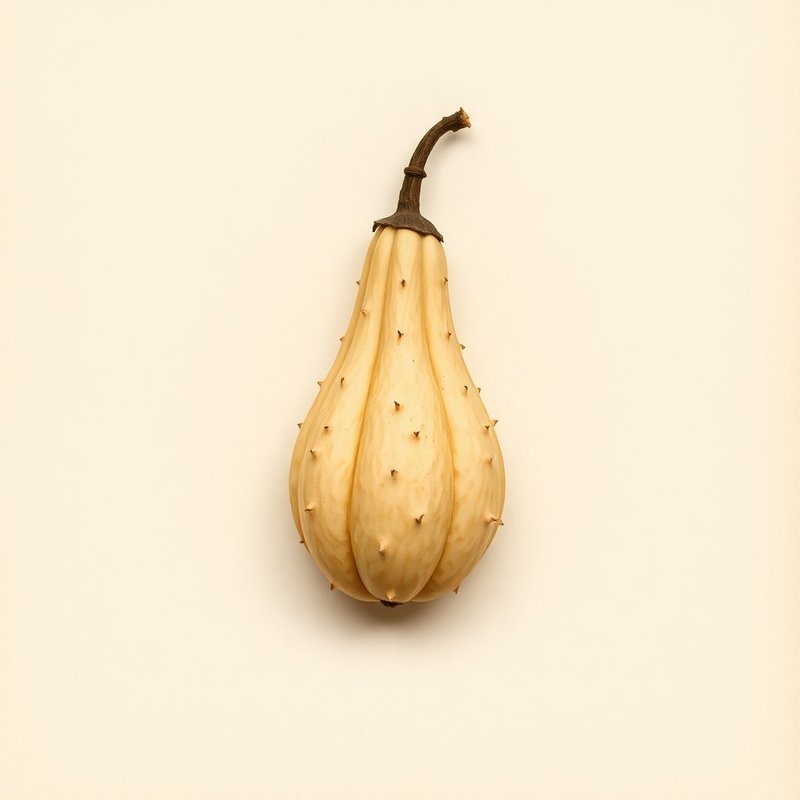
Pl. 582B — Benincasa hispida
Benincasa hispidaBenincasa hispidaBenincasa hispidaBenincasa hispidaBenincasa hispidaBenincasa hispidaBenincasa hispidaBenincasa hispidaBenincasa hispidaBenincasa hispidaBenincasa hispidaBenincasa hispidaBenincasa hispidaBenincasa hispida
IOverview
Overview
Wax Gourd, scientifically known as Benincasa hispida and belonging to the Cucurbitaceae family, is a vine that thrives in warm and humid climates across regions such as Bismarck Archipelago, Borneo, Jawa, Lesser Sunda Islands, Maluku, New Caledonia, New Guinea, Queensland, and Solomon Islands. This annual plant can grow up to 6 meters tall and is valued for its edible parts including flowers, fruit, leaves, and seeds. Native to the Bismarck Archipelago, it prefers full sun, moist conditions, and soil types that are light (sandy), medium, or heavy (clay). Known for its versatility in culinary uses, wax gourd is a significant part of local cuisine in many areas where it grows naturally. The plant's large, waxy fruits are particularly noteworthy, often used in various dishes. Its flowers, fruit, leaves, and seeds can all be consumed; the fruit can be eaten raw or cooked, while the leaves and flowers are commonly used fresh in salads or stir-fries. Seeds can also be roasted for a snack. Dried fruits are another common use, adding a crunchy texture to dishes. Wax Gourd is native to Bismarck Archipelago, Borneo, Jawa, Lesser Sunda Islands, Maluku, New Caledonia, New Guinea, Queensland, and Solomon Islands but has been introduced into numerous other regions including Andaman Islands, Assam, Bangladesh, Cambodia, Caroline Islands, China North-Central, China South-Central, China Southeast, Cook Islands, Cuba, Dominican Republic, Fiji, India, Korea, Laos, Marianas, Marquesas, Myanmar, Nicobar Islands, Pakistan, Philippines, Society Islands, Sri Lanka, Sumatera, Thailand, Tonga, Trinidad and Tobago, Venezuela, and Vietnam. Its adaptability has made it a valuable crop in many parts of the world. This plant is hardy in zones 9-11 and thrives in full sun with moist soil conditions. For cultivation, seeds are commonly used for propagation. Ensuring consistent moisture while providing ample sunlight will support optimal growth. While not traditionally used medicinally, wax gourd's edible and ornamental value makes it a valuable addition to gardens and kitchens worldwide.
Quick answers
What is Wax Gourd?
Wax Gourd, scientifically known as Benincasa hispida and belonging to the Cucurbitaceae family, is a vine that thrives in warm and humid climates across regions such as Bismarck Archipelago, Borneo, Jawa, Lesser Sunda Islands, Maluku, New Caledonia, New Guinea, Queensland, and Solomon Islands.
Growingconditions · propagation · uses
VCultivation
Cultivation
Wax Gourd thrives in full sun and requires moist soil that can be light (sandy), medium, or heavy (clay). It is hardy in zones 9-11, making it suitable for warm climates. The plant grows up to 6 meters tall and is an annual, producing edible parts such as flowers, fruit, leaves, and seeds. Ensure the soil remains consistently moist while providing ample sunlight for optimal growth.
Light
Full sun
Water
Moist
Soil
Light (sandy), Medium, Heavy (clay)
Hardiness
9-11
Life cycle
Annual
Mature size
6.0 m tall
For first-time growers
How to grow Wax Gourd for the first time
8steps
Start with easy-to-grow Wax Gourd for a rewarding beginner gardening experience.
- 1
What you'll need
Seeds, small pots or direct planting space, garden tools like a trowel.
- 2
Best time to plant
Plant in late spring after the last frost when temperatures are consistently above 20°C.
- 3
Soil and container prep
Choose a sunny spot with well-draining soil. Amend heavy clay or sandy soils with compost.
- 4
Sowing or transplanting
Start seeds indoors in small pots about 4 weeks before the last frost, then transplant outdoors after danger of frost passes.
- 5
First two weeks
Water regularly to keep soil moist. Provide support for vines as they grow.
- 6
Ongoing care
Fertilize every few weeks with a balanced organic fertilizer. Keep the area weed-free and water consistently.
- 7
Harvest or pruning
Prune regularly to encourage vine growth and fruit production, but avoid cutting too much foliage.
- 8
Common mistakes
Overwatering, not providing enough support for vines, neglecting regular fertilization, planting in a shady spot, and waiting too long before pruning.
VIEdible & utility
Edible & utility
Edible parts:FlowersFruitLeavesSeed
Edible uses: The wax gourd is versatile in its culinary uses. Its flowers, fruit, leaves, and seeds are all edible. The fruit can be eaten raw or cooked, while the leaves and flowers are often used fresh in salads or stir-fries. Seeds can be roasted for a snack. Dried fruits are also common, adding a crunchy texture to dishes.
Other uses:Rootstock
Contextrange · companions · related
VIIDistribution
10 native · 29 introduced
Distribution
10 native · 29 introducedDistribution across3 continents· 10 native· 29 introduced
Asia12 regions
introduced (12)BangladeshCambodiaChinaIndiaLaosMyanmarPakistanPhilippinesSouth KoreaSri LankaThailandVietnam
Americas3 regions
introduced (3)CubaDominican RepublicVenezuela
Oceania3 regions
native (1)New Caledonia
introduced (2)FijiTonga
Broader regions
native:Bismarck Archipelago, Borneo, Jawa, Lesser Sunda Is., Maluku, New Guinea, Queensland, Solomon Is., Sulawesi
introduced:Andaman Is., Caroline Is., Cook Is., Marianas, Marquesas, Nicobar Is., Society Is., Sumatera, Trinidad-Tobago
IXSpecimen gallery
1 image
Specimen gallery
1 imageXI
Explore further
Companion planting
Growing zone
Native to
XII
About this entry
- Last updated
- Citation
- How to cite this entry · Submit a correction
Back to the cataloguePlant id · 582b58d6-0979-457b-99e0-8a3848e2a84f
Decision aid
Choosing between Wax Gourd and something else?
Continue reading
❦❦❦❦
Endpaper · archive updates
Get archive updates
Occasional email when substantial new content lands — plant profiles, seasonal growing notes, folk-remedy additions. Free, no tracking, unsubscribe anytime.
Newsletter returning soon.
We are rebuilding the update list around a lightweight editorial workflow. New dispatches will resume after the next content review cycle.