
Beta vulgaris cicla
Beta vulgaris cicla
Educational content — not medical, botanical, or professional advice. Plant identification, safety, and edibility depend on local conditions, cultivars, and correct identification. Consult a qualified botanist or forager before consuming or handling wild specimens. How we source & review →
Garden journal pausedUse profile notes below
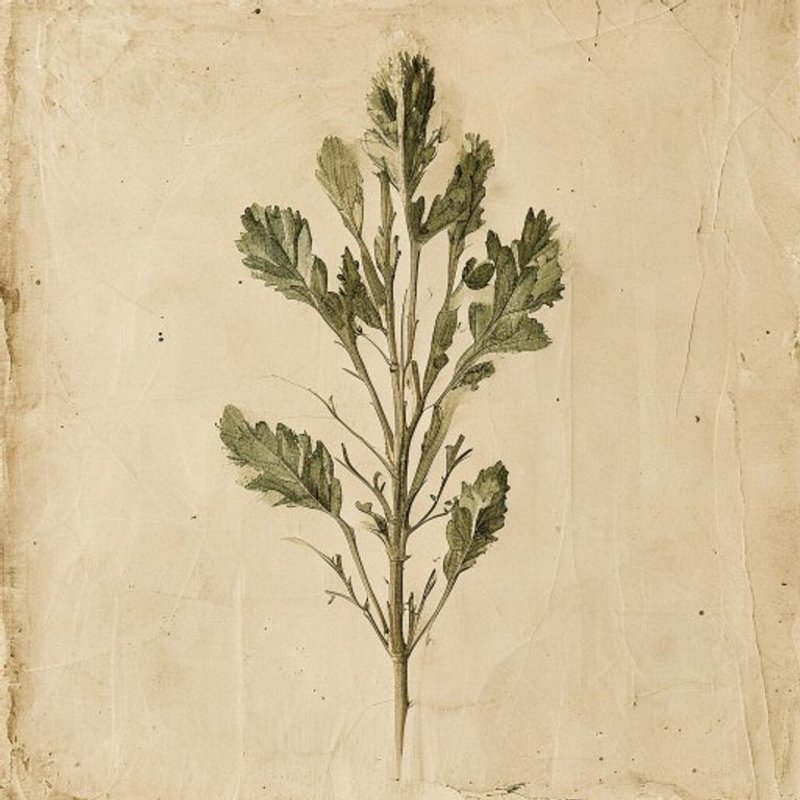
Pl. C173 — Beta vulgaris cicla
Beta vulgaris ciclaBeta vulgaris ciclaBeta vulgaris ciclaBeta vulgaris ciclaBeta vulgaris ciclaBeta vulgaris ciclaBeta vulgaris ciclaBeta vulgaris ciclaBeta vulgaris ciclaBeta vulgaris ciclaBeta vulgaris ciclaBeta vulgaris ciclaBeta vulgaris ciclaBeta vulgaris cicla
IOverview
Overview
Beta vulgaris cicla, commonly known as Swiss chard, is a biennial plant closely related to the beet and valued for its edible leaves and stalks. Native to Europe, this leaf vegetable thrives in full sun with moist soil that can be light (sandy), medium, or heavy (clay). It grows up to 0.9 meters tall and is hardy in zones 4-8. The leaves are typically eaten raw in salads or cooked by sautéing, steaming, or boiling, while the stalks are often used similarly to other vegetables like celery or asparagus, sometimes being prepared separately due to their thicker texture. One distinctive feature of Swiss chard is its mild flavor, which makes it popular for a variety of culinary uses. Its attractive green foliage also adds ornamental value to gardens, making it a versatile plant for both the kitchen and the landscape. While it is generally safe to consume, as with any plant, it is advisable to exercise caution and ensure proper identification before using it in cooking or gardening.
Quick answers
What is Beta vulgaris cicla?
Beta vulgaris cicla, commonly known as Swiss chard, is a biennial plant closely related to the beet and valued for its edible leaves and stalks. Native to Europe, this leaf vegetable thrives in full sun with moist soil that can be light (sandy), medium, or heavy (clay).
Growingconditions · propagation · uses
VCultivation
Cultivation
Beta vulgaris cicla thrives in full sun and requires moist soil that can be light (sandy), medium, or heavy (clay). It is hardy in temperate regions from zones 4 to 8. This biennial plant grows up to 0.9 meters tall and produces edible leaves and stems. For best results, keep the soil consistently moist and provide ample sunlight. Propagate via seed directly sown into the garden bed or started indoors before transplanting.
Light
Full sun
Water
Moist
Soil
Light (sandy), Medium, Heavy (clay)
Hardiness
4-8
Life cycle
Biennial
Habit
Forb/herb
Mature size
0.9 m tall
- Seed viability
- 2-3 years
For first-time growers
How to grow Beta vulgaris cicla for the first time
7steps
Start with Beta vulgaris cicla for a simple and rewarding gardening experience.
- 1
What you'll need
Seeds or seedlings, a trowel, watering can.
- 2
Best time to plant
Plant in spring after the last frost or in late summer for fall harvests.
- 3
Soil and container prep
Choose a location with full sun. Prepare soil that is light (sandy), medium, or heavy (clay) and moist.
- 4
Sowing or transplanting
Direct sow seeds 1 cm deep, spacing them about 20-30 cm apart. Transplant seedlings when they have several true leaves.
- 5
First two weeks
Keep soil consistently moist and protect from extreme heat with light mulch if necessary.
- 6
Ongoing care
Water regularly, especially during dry spells. Thin plants to 30-45 cm apart as they grow.
- 7
Harvest or pruning
Harvest outer leaves when the plant is about 12 inches tall. Cut stems and lower leaves for a more complete harvest.
VIEdible & utility
Edible & utility
Edible parts:LeavesStem
Edible uses: The Beta vulgaris cicla, commonly known as Swiss chard, is an edible leaf vegetable where both the leaves and stalks can be consumed. The leaves are typically eaten raw in salads or cooked by sautéing, steaming, or boiling. The stalks are often used similarly to other vegetables like celery or asparagus, sometimes being prepared separately due to their thicker texture.
Contextrange · companions · related
IXSpecimen gallery
1 image
Specimen gallery
1 imageXI
Explore further
Companion planting
Growing zone
XII
About this entry
- Last updated
- Citation
- How to cite this entry · Submit a correction
Back to the cataloguePlant id · c1735eb5-7d61-4d45-9c86-6e934d57f877
Decision aid
Choosing between Beta vulgaris cicla and something else?
Continue reading
❦❦❦❦
Endpaper · archive updates
Get archive updates
Occasional email when substantial new content lands — plant profiles, seasonal growing notes, folk-remedy additions. Free, no tracking, unsubscribe anytime.
Newsletter returning soon.
We are rebuilding the update list around a lightweight editorial workflow. New dispatches will resume after the next content review cycle.