
Kenai Birch
Betula kenaica
Educational content — not medical, botanical, or professional advice. Plant identification, safety, and edibility depend on local conditions, cultivars, and correct identification. Consult a qualified botanist or forager before consuming or handling wild specimens. How we source & review →
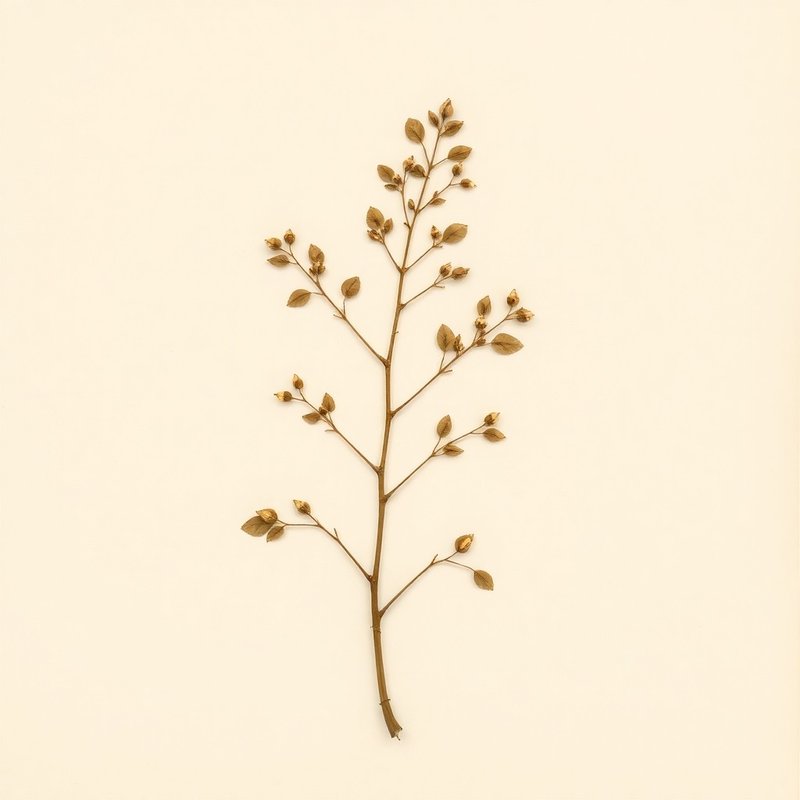
Pl. 0981 — Betula kenaica
Betula kenaicaBetula kenaicaBetula kenaicaBetula kenaicaBetula kenaicaBetula kenaicaBetula kenaicaBetula kenaicaBetula kenaicaBetula kenaicaBetula kenaicaBetula kenaicaBetula kenaicaBetula kenaica
IOverview
Overview
Kenai Birch (Betula kenaica) is a deciduous tree native to the northern regions of North America, including Alaska, Alberta, British Columbia, and several northeastern states such as Connecticut and Maine. This birch species thrives in moist environments with light or partial sun exposure, making it adaptable to various soil types ranging from sandy to clay. Known for its edible parts, which include flowers, inner bark, leaves, and sap, Kenai Birch is a valuable resource for both wildlife and humans. Its distinctive feature lies in its ability to grow up to 12 meters tall, contributing to the landscape of its native habitats while providing sustenance through its various edible components.
Quick answers
What is Kenai Birch?
Kenai Birch (Betula kenaica) is a deciduous tree native to the northern regions of North America, including Alaska, Alberta, British Columbia, and several northeastern states such as Connecticut and Maine.
Growingconditions · propagation · uses
VCultivation
Cultivation
Kenai Birch thrives in full to partial sun and prefers moist soil that is light (sandy), medium, or heavy (clay). It grows up to 12 meters tall and can be found naturally in Alaska, Alberta, British Columbia, Colorado, Connecticut, Idaho, Illinois, Indiana. Hardy in temperate regions, this birch is suitable for gardeners in these areas. Propagate through its flowers, inner bark, leaves, or sap.
Light
Full sun, Partial sun/shade
Water
Moist
Soil
Light (sandy), Medium, Heavy (clay)
Mature size
12.0 m tall
For first-time growers
How to grow Kenai Birch for the first time
8steps
Start with planting Kenai Birch in a sunny spot and follow these beginner-friendly steps.
- 1
What you'll need
Kenai Birch saplings, garden gloves, spade or trowel.
- 2
Best time to plant
Plant in spring after the last frost or fall before the first freeze.
- 3
Soil and container prep
Choose a location with well-draining soil; amend with compost if necessary. For containers, use a mix of light, medium, and heavy soils.
- 4
Sowing or transplanting
Transplant saplings directly into the ground or larger pots. Dig a hole twice as wide but not deeper than the root ball.
- 5
First two weeks
Water regularly to keep soil moist, especially during dry spells. Monitor for pests and diseases.
- 6
Ongoing care
Water when the top inch of soil feels dry. Fertilize once a year in early spring with a balanced fertilizer. Prune dead or damaged branches as needed.
- 7
Harvest or pruning
Prune in late winter to maintain shape and remove any dead, diseased, or crossing branches.
- 8
Common mistakes
Overwatering, planting too deep, neglecting pruning, using the wrong soil type, and not providing enough sunlight.
VIEdible & utility
Edible & utility
Edible parts:FlowersInner barkLeavesSap
Edible uses: Condiment
Other uses:Fire starterHairDynamic accumulator
Contextrange · companions · related
VIIDistribution
30 native · 0 introduced
Distribution
30 native · 0 introducedDistribution across1 continent· 30 native
Americas1 region
native (1)United States
Broader regions
native:Indiana, Alberta, Massachusetts, Colorado, Connecticut, Idaho, Illinois, Iowa, Labrador, Maine, Manitoba, Michigan, Minnesota, Montana, Nebraska, New Brunswick, New Hampshire, New Jersey, Newfoundland, North Dakota, Northwest Territorie, Nova Scotia, Ohio, Ontario, Oregon, Pennsylvania, Québec, Rhode I., Saskatchewan
IXSpecimen gallery
1 image
Specimen gallery
1 imageXI
Explore further
Companion planting
XII
About this entry
- Last updated
- Citation
- How to cite this entry · Submit a correction
Back to the cataloguePlant id · 09814cca-1f0b-41c6-acf6-32d77d99a9ee
Decision aid
Choosing between Kenai Birch and something else?
Continue reading
❦❦❦❦
Endpaper · archive updates
Get archive updates
Occasional email when substantial new content lands — plant profiles, seasonal growing notes, folk-remedy additions. Free, no tracking, unsubscribe anytime.