
Sweet Appleberry
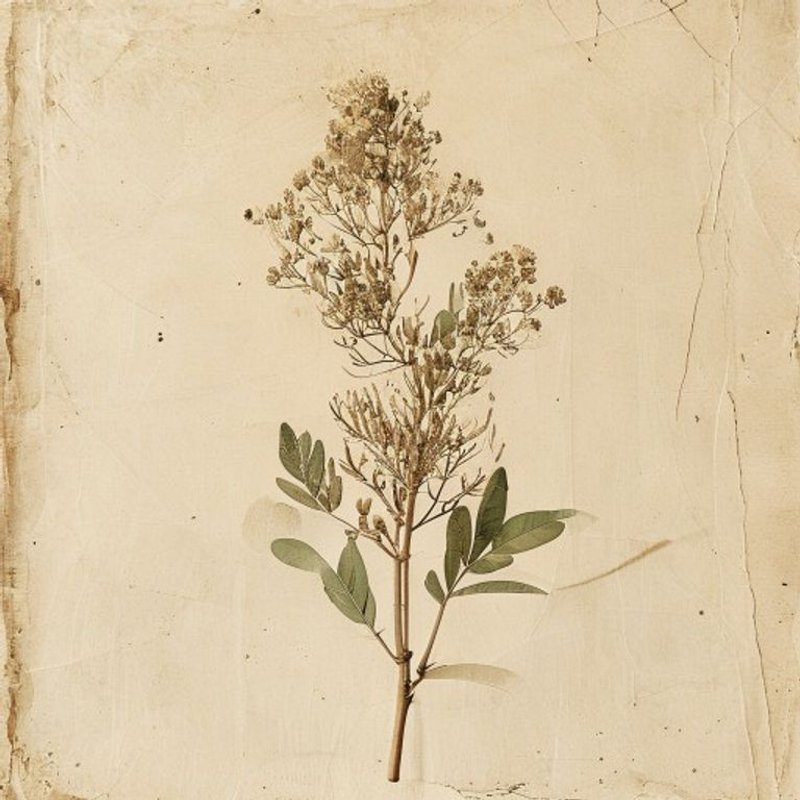
IOverview
Overview
Sweet Appleberry (Billardiera cymosa) is a native vine found in the wild landscapes of South Australia and Victoria. This plant thrives in full to partial sun and prefers moist, well-drained soils that are light or sandy, making it suitable for temperate regions. Known for its edible fruits, which are both sweet and apple-like, Sweet Appleberry serves as an ornamental addition to gardens while providing a natural food source. The vine produces small, fragrant flowers that precede the fruiting, and it can grow vigorously, making it an attractive climber or ground cover in suitable environments. The fruits can be enjoyed fresh or used in various preparations, such as jams or syrups, and can also be dried for later use. While the plant is not known for medicinal uses, its edible fruits make it a valuable addition to both native and ornamental gardens.
What is Sweet Appleberry?
Sweet Appleberry (Billardiera cymosa) is a native vine found in the wild landscapes of South Australia and Victoria. This plant thrives in full to partial sun and prefers moist, well-drained soils that are light or sandy, making it suitable for temperate regions.
VCultivation
Cultivation
How to grow Sweet Appleberry for the first time
Sweet Appleberry is a rewarding project for beginners, focusing on basic care and patience.
- 1
What you'll need
Seeds or young plants, potting mix, containers with drainage holes.
- 2
Best time to plant
Plant in spring when the weather starts warming up.
- 3
Soil and container prep
Use a well-draining soil mix suitable for light (sandy) or medium soils. Ensure pots have good drainage.
- 4
Sowing or transplanting
Start seeds indoors in small containers, then transplant to larger pots as they grow.
- 5
First two weeks
Keep the soil moist but not waterlogged. Place in a sunny spot, ensuring it gets at least partial sun.
- 6
Ongoing care
Water regularly when the top inch of soil feels dry. Provide full to partial sun exposure and prune lightly to shape.
- 7
Harvest or pruning
Prune in late winter to early spring to encourage new growth and maintain size. Fruits can be harvested after they turn a bright red.
- 8
Common mistakes
Overwatering, planting in heavy soil, not providing enough sunlight.
VIEdible & utility
Edible & utility
VIIDistribution
2 native · 0 introduced
Distribution
2 native · 0 introducedIXSpecimen gallery
1 image
Specimen gallery
1 imageExplore further
About this entry
- Last updated
- Citation
- How to cite this entry · Submit a correction
Continue reading
Get archive updates
Occasional email when substantial new content lands — plant profiles, seasonal growing notes, folk-remedy additions. Free, no tracking, unsubscribe anytime.