
Boehmeria spicata
Boehmeria spicata
Educational content — not medical, botanical, or professional advice. Plant identification, safety, and edibility depend on local conditions, cultivars, and correct identification. Consult a qualified botanist or forager before consuming or handling wild specimens. How we source & review →
Garden journal pausedUse profile notes below
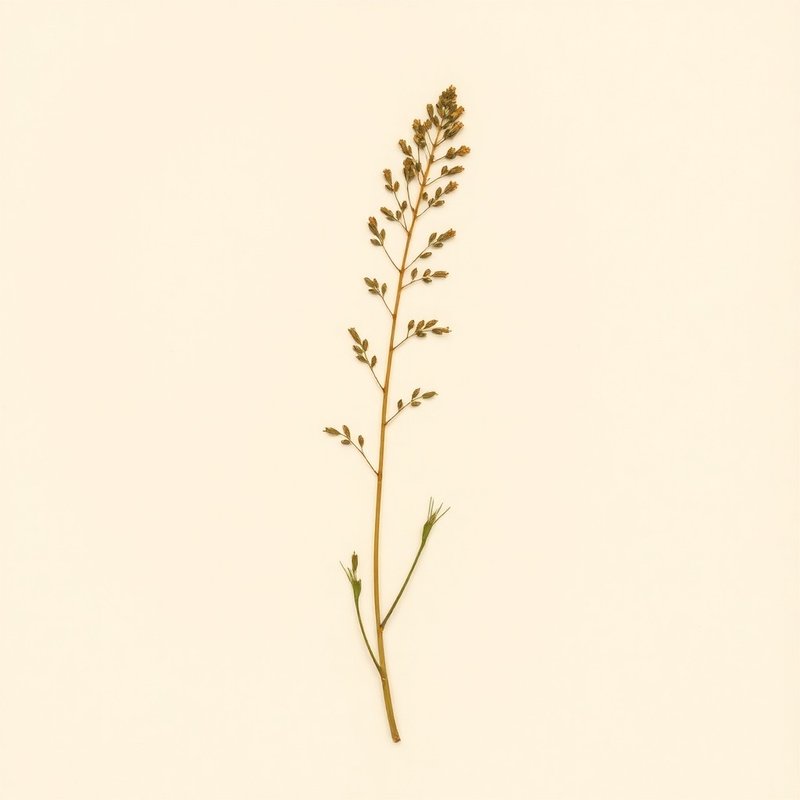
Pl. 3AF1 — Boehmeria spicata
Boehmeria spicataBoehmeria spicataBoehmeria spicataBoehmeria spicataBoehmeria spicataBoehmeria spicataBoehmeria spicataBoehmeria spicataBoehmeria spicataBoehmeria spicataBoehmeria spicataBoehmeria spicataBoehmeria spicataBoehmeria spicata
IOverview
Overview
Boehmeria spicata, a member of the nettle family (Urticaceae), is an herbaceous plant known for its edible leaves and widespread distribution across tropical and subtropical regions including Asia, Africa, and Oceania. Native to Andaman Islands, Assam, Bangladesh, and parts of China, it thrives in moist environments with light or partial sun exposure. This plant can grow up to 1 meter tall and is often found growing in sandy or medium soil types. Its leaves are edible, making it a valuable resource for local communities. While not commonly cultivated, Boehmeria spicata stands out due to its adaptability and the utility of its foliage. Boehmeria spicata thrives in full to partial sun and prefers moist, well-draining soil that is light (sandy) or medium. This forb/herb grows up to 1 meter tall and can be propagated through seeds or division. It is hardy in temperate regions but may require protection in colder climates. For best results, keep the soil consistently moist and provide ample sunlight for optimal growth. Harvest the leaves for edible use. This plant is native to regions such as Andaman Islands, Assam, Bangladesh, and parts of China, and has been introduced to areas like the Cook Islands, Fiji, and Samoa, highlighting its adaptability and usefulness in various growing contexts.
Quick answers
What is Boehmeria spicata?
Boehmeria spicata, a member of the nettle family (Urticaceae), is an herbaceous plant known for its edible leaves and widespread distribution across tropical and subtropical regions including Asia, Africa, and Oceania.
Growingconditions · propagation · uses
VCultivation
Cultivation
Boehmeria spicata thrives in full to partial sun and prefers moist, well-draining soil that is light (sandy) or medium. This forb/herb grows up to 1 meter tall and can be propagated through seeds or division. It is hardy in temperate regions but may require protection in colder climates. For best results, keep the soil consistently moist and provide ample sunlight for optimal growth. Harvest the leaves for edible use.
Light
Full sun, Partial sun/shade
Water
Moist
Soil
Light (sandy), Medium
Habit
Forb/herb
Mature size
1.0 m tall
For first-time growers
How to grow Boehmeria spicata for the first time
8steps
Start with Boehmeria spicata as a simple herb in your garden for beginners.
- 1
What you'll need
A small Boehmeria spicata plant or seeds, potting soil, and a container.
- 2
Best time to plant
Plant in spring when the weather starts warming up.
- 3
Soil and container prep
Use light, well-draining soil in a container with drainage holes.
- 4
Sowing or transplanting
Transplant from a pot or sow seeds directly into the soil, covering them lightly.
- 5
First two weeks
Keep the soil moist and place it in partial shade to avoid direct sunlight.
- 6
Ongoing care
Water regularly when the top inch of soil feels dry. Place in a sunny or partially shaded spot.
- 7
Harvest or pruning
Prune leaves as needed for maintenance, but wait until the plant is established before harvesting.
- 8
Common mistakes
Overwatering, placing it in full sun, and not providing enough drainage are common issues to avoid.
VIEdible & utility
Edible & utility
Edible parts:Leaves
Edible uses: The leaves of Boehmeria spicata are edible and can be eaten raw or cooked. They are often prepared in similar ways to spinach, either steamed or sautéed with other vegetables.
Other uses:Fiber
Contextrange · companions · related
VIIDistribution
37 native · 13 introduced
Distribution
37 native · 13 introducedDistribution across3 continents· 37 native· 13 introduced
Asia13 regions
native (13)BangladeshCambodiaChinaIndiaLaosMaldivesMyanmarOmanPhilippinesSri LankaTaiwanThailandVietnam
Africa7 regions
native (7)CameroonEthiopiaGuinea-BissauKenyaMozambiqueSudanTanzania
Oceania6 regions
introduced (6)FijiNew CaledoniaSamoaTongaTuvaluVanuatu
Broader regions
native:Andaman Is., Bismarck Archipelago, Caroline Is., Jawa, Laccadive Is., Lesser Sunda Is., Malaya, Maluku, Marianas, Marshall Is., New Guinea, Northern Territory, Queensland, Solomon Is., Sulawesi, Western Australia
introduced:Cook Is., Marquesas, Niue, Santa Cruz Is., Society Is., Tokelau-Manihiki, Wallis-Futuna Is.
IXSpecimen gallery
1 image
Specimen gallery
1 imageXI
Explore further
Companion planting
Native to
XII
About this entry
- Last updated
- Citation
- How to cite this entry · Submit a correction
Back to the cataloguePlant id · 3af1ea94-7952-448b-a457-b0e984233e87
Decision aid
Choosing between Boehmeria spicata and something else?
Continue reading
❦❦❦❦
Endpaper · archive updates
Get archive updates
Occasional email when substantial new content lands — plant profiles, seasonal growing notes, folk-remedy additions. Free, no tracking, unsubscribe anytime.
Newsletter returning soon.
We are rebuilding the update list around a lightweight editorial workflow. New dispatches will resume after the next content review cycle.