
Red Silk Cotton Tree
Bombax ceiba
Educational content — not medical, botanical, or professional advice. Plant identification, safety, and edibility depend on local conditions, cultivars, and correct identification. Consult a qualified botanist or forager before consuming or handling wild specimens. How we source & review →
Garden journal pausedUse profile notes below
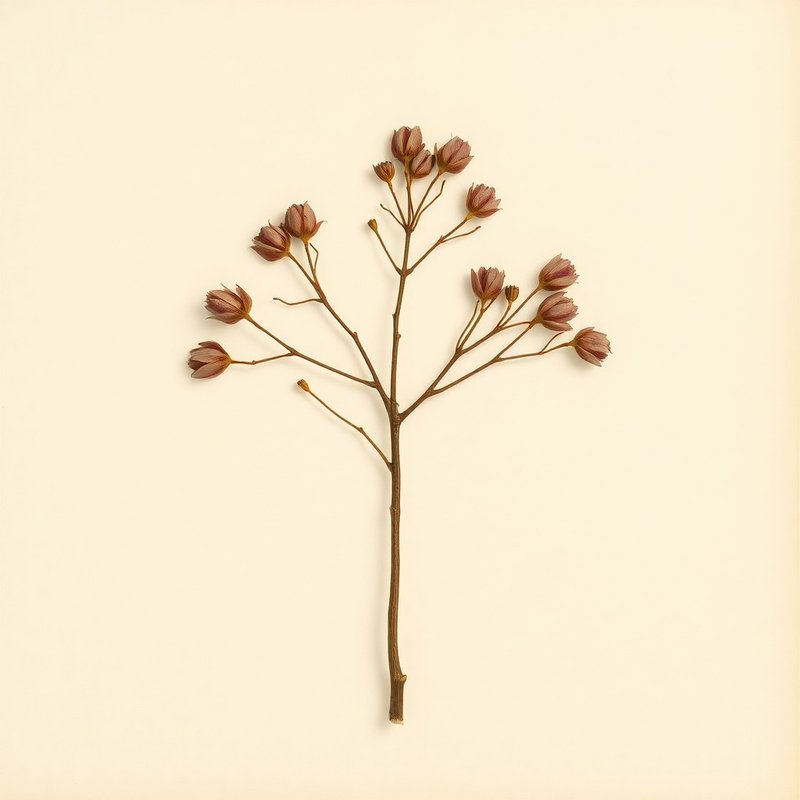
Pl. 1A41 — Bombax ceiba
Bombax ceibaBombax ceibaBombax ceibaBombax ceibaBombax ceibaBombax ceibaBombax ceibaBombax ceibaBombax ceibaBombax ceibaBombax ceibaBombax ceibaBombax ceibaBombax ceiba
IOverview
Overview
The Red Silk Cotton Tree (Bombax ceiba), belonging to the Malvaceae family, is a large deciduous tree native to tropical and subtropical regions of Asia and parts of the Pacific Islands. Known for its ornamental value due to its showy flowers and distinctive cotton-like seeds, it thrives in full sun and can tolerate various soil types from light sandy to heavy clay. Native to countries such as Assam, Bangladesh, Borneo, Cambodia, China South-Central, and Southeast regions, this tree is widely cultivated for its edible parts including the flowers, inner bark, leaves, root, and seedpods. The Red Silk Cotton Tree can grow up to 25 meters tall and is hardy in zones 10-12, making it suitable for warmer climates. It has been introduced into regions such as Andaman Islands, Brazil North, Cuba, Dominican Republic, Guyana, Haiti, Laccadive Islands, Leeward Islands, Nicaragua, Nicobar Islands, and Trinidad-Tobago, where it can serve as an ornamental tree or provide useful resources like oil, gum, tea, and other edible parts. Its versatility in utility includes textiles, fiber production, gum extraction, oil pressing, soap making, tanning, waterproofing, and lumber. This tree is a valuable addition to gardens and parks due to its striking appearance and practical uses. However, it should be noted that while the Red Silk Cotton Tree has multiple applications, caution should be exercised when handling any part of the plant for medicinal purposes.
Quick answers
What is Red Silk Cotton Tree?
The Red Silk Cotton Tree (Bombax ceiba), belonging to the Malvaceae family, is a large deciduous tree native to tropical and subtropical regions of Asia and parts of the Pacific Islands.
Growingconditions · propagation · uses
VCultivation
Cultivation
The Red Silk Cotton Tree thrives in full sun and can tolerate both dry and moist conditions. It prefers light (sandy), medium, or heavy (clay) soils. This tree is hardy in zones 10-12 but may be grown as an ornamental in cooler regions with protection. Propagation is typically done through seeds. With a height of up to 25 meters, it can serve well as a focal point in gardens and parks. The edible parts include flowers, inner bark, leaves, roots, and seedpods.
Light
Full sun
Water
Dry, Moist
Soil
Light (sandy), Medium, Heavy (clay)
Hardiness
10-12
Mature size
25.0 m tall
For first-time growers
How to grow Red Silk Cotton Tree for the first time
8steps
Start with a simple planting of Red Silk Cotton Tree to gain experience in caring for this tropical tree.
- 1
What you'll need
A young Red Silk Cotton Tree sapling, well-draining soil, and a large container or garden space.
- 2
Best time to plant
Plant the sapling in spring when temperatures are consistently above 10°C (50°F) and there is no risk of frost.
- 3
Soil and container prep
Ensure the soil is well-draining, with a mix that includes sand or perlite to prevent waterlogging. For containers, use a pot at least 30 cm in diameter.
- 4
Sowing or transplanting
Transplant the sapling carefully, ensuring not to damage the roots. Water thoroughly after planting.
- 5
First two weeks
Keep the soil moist but not waterlogged during this critical period. Place in a sunny location and avoid direct sunlight for the first few days.
- 6
Ongoing care
Water regularly, especially when the tree is young. Provide full sun exposure and fertilize with a balanced fertilizer once a month during growing season.
- 7
Harvest or pruning
Prune to maintain shape and remove dead branches as needed. Harvest flowers for decorative purposes if desired.
- 8
Common mistakes
Overwatering, planting in poorly draining soil, not providing enough sunlight, and neglecting regular fertilization are common issues beginners face.
VIEdible & utility
Edible & utility
Edible parts:FlowersInner barkLeavesRootSeedSeedpod
Edible uses: Oil, Gum, Tea
Other uses:textilesContainersFiberGumoilPioneerSoap makingWeaving materialTanninWaterproofingLumber
Contextrange · companions · related
VIIDistribution
28 native · 11 introduced
Distribution
28 native · 11 introducedDistribution across2 continents· 28 native· 11 introduced
Asia13 regions
native (13)BangladeshCambodiaChinaIndiaLaosMyanmarNepalPakistanPhilippinesSri LankaTaiwanThailandVietnam
Americas5 regions
introduced (5)CubaDominican RepublicGuyanaHaitiNicaragua
Broader regions
native:Bismarck Archipelago, Borneo, East Himalaya, Hainan, Jawa, Lesser Sunda Is., Malaya, Maluku, New Guinea, Northern Territory, Solomon Is., Sulawesi, Sumatera
introduced:Andaman Is., Brazil North, Laccadive Is., Leeward Is., Nicobar Is., Trinidad-Tobago
IXSpecimen gallery
1 image
Specimen gallery
1 imageXI
Explore further
Companion planting
Growing zone
Native to
XII
About this entry
- Last updated
- Citation
- How to cite this entry · Submit a correction
Back to the cataloguePlant id · 1a41c186-44a0-4be1-ac9b-fc99f9708d53
Decision aid
Choosing between Red Silk Cotton Tree and something else?
Continue reading
❦❦❦❦
Endpaper · archive updates
Get archive updates
Occasional email when substantial new content lands — plant profiles, seasonal growing notes, folk-remedy additions. Free, no tracking, unsubscribe anytime.
Newsletter returning soon.
We are rebuilding the update list around a lightweight editorial workflow. New dispatches will resume after the next content review cycle.