
Rattlesnake Fern
Botrychium virginianum
Educational content — not medical, botanical, or professional advice. Plant identification, safety, and edibility depend on local conditions, cultivars, and correct identification. Consult a qualified botanist or forager before consuming or handling wild specimens. How we source & review →
Garden journal pausedUse profile notes below
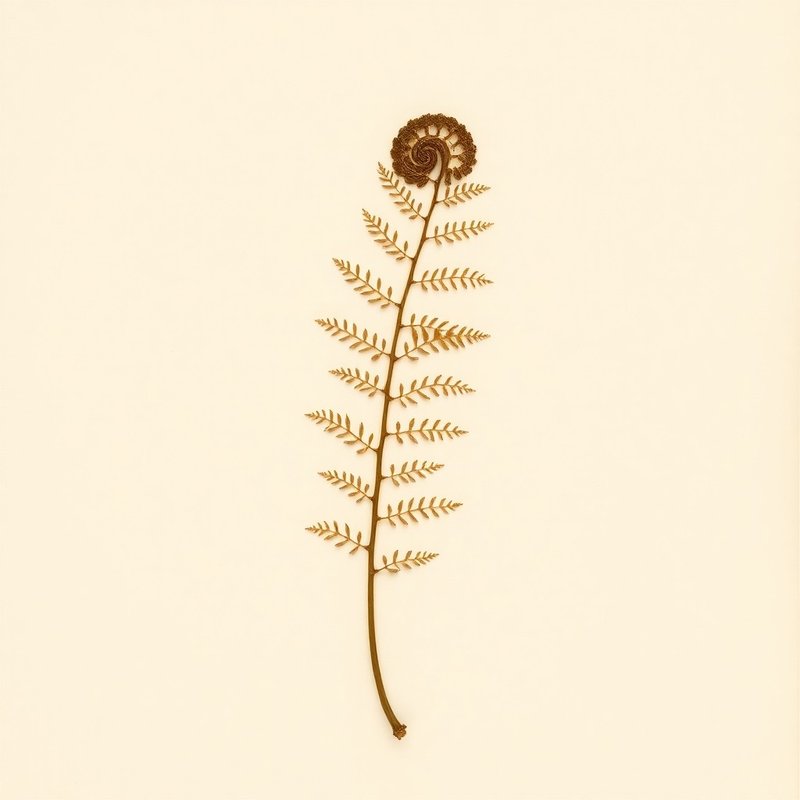
Pl. 2951 — Botrychium virginianum
Botrychium virginianumBotrychium virginianumBotrychium virginianumBotrychium virginianumBotrychium virginianumBotrychium virginianumBotrychium virginianumBotrychium virginianumBotrychium virginianumBotrychium virginianumBotrychium virginianumBotrychium virginianumBotrychium virginianumBotrychium virginianum
IOverview
Overview
Rattlesnake Fern, scientifically known as Botrychium virginianum, is a deciduous fern native to North America, Asia, and South America. Thriving in moist environments with light or partial sun exposure, it can grow up to 0.4 meters tall. This fern is notable for its edible root parts, which can be consumed raw or cooked, adding a unique flavor to dishes. The Rattlesnake Fern's distinctive feature includes spore-bearing structures that resemble small bunches of grapes, often found at the tips of its stems. Native to regions such as Alabama, Alaska, Alberta, Arizona, Arkansas, and many other states and territories across North America, this fern also thrives in areas like China, Brazil, and parts of Europe. It has been introduced into Czechoslovakia and Poland, expanding its range further. The Rattlesnake Fern is an ornamental addition to gardens due to its distinctive appearance and can be cultivated with moist, well-draining soil that is light or medium in texture. For propagation, root division is a common method. While the Rattlesnake Fern's roots are edible, caution should be exercised when consuming any wild plant, as proper identification is crucial to avoid confusion with toxic species.
Quick answers
What is Rattlesnake Fern?
Rattlesnake Fern, scientifically known as Botrychium virginianum, is a deciduous fern native to North America, Asia, and South America. Thriving in moist environments with light or partial sun exposure, it can grow up to 0.4 meters tall.
Growingconditions · propagation · uses
VCultivation
Cultivation
Rattlesnake Fern thrives in partial to full sun and prefers moist, well-draining soil that is light or medium in texture. It grows up to 0.4 meters tall and is native to a wide range of temperate regions across North America, Asia, and South America. For cultivation, ensure the soil remains consistently moist but not waterlogged. Propagation can be done through root division. This fern is hardy in temperate regions and is edible, with its roots being the part used.
Light
Full sun, Partial sun/shade
Water
Moist
Soil
Light (sandy), Medium
Mature size
0.4 m tall
For first-time growers
How to grow Rattlesnake Fern for the first time
8steps
Start with a simple Rattlesnake Fern and focus on basic care.
- 1
What you'll need
A Rattlesnake Fern plant, potting soil suitable for ferns, a container with drainage holes.
- 2
Best time to plant
Plant in early spring or late fall when the weather is cooler and more stable.
- 3
Soil and container prep
Use a well-draining potting mix that's light and airy, ensuring your container has adequate drainage holes.
- 4
Sowing or transplanting
Transplant the Rattlesnake Fern from its nursery pot into a larger container if needed, making sure not to damage the roots.
- 5
First two weeks
Keep the soil consistently moist but not soggy. Place it in partial shade and avoid direct sunlight.
- 6
Ongoing care
Provide light (sandy) to medium soil and keep the area moist, especially during dry spells. Avoid overwatering.
- 7
Harvest or pruning
Prune any dead or yellowing fronds to maintain a neat appearance but avoid cutting into the root system.
- 8
Common mistakes
Overwatering, placing in full sun, using heavy soil that doesn't drain well, neglecting to prune, and not providing enough shade.
VIEdible & utility
Edible & utility
Edible parts:Root
Edible uses: The Rattlesnake Fern's root is edible and can be prepared in various ways. Typically, the roots are either eaten raw or cooked to enhance their flavor and texture. While specific recipes aren't provided, these versatile roots can add a unique taste to your dishes when incorporated appropriately.
Contextrange · companions · related
VIIDistribution
123 native · 2 introduced
Distribution
123 native · 2 introducedDistribution across3 continents· 123 native· 2 introduced
Europe12 regions
native (11)AustriaBelarusFinlandGermanyHungaryItalyRomaniaRussiaSwedenSwitzerlandUkraine
introduced (1)Poland
Asia7 regions
native (7)ChinaGeorgiaIndiaJapanNepalPakistanSouth Korea
Americas16 regions
native (16)BoliviaColombiaCosta RicaCubaDominican RepublicEcuadorEl SalvadorGuatemalaHaitiHondurasJamaicaNicaraguaPeruUnited StatesUruguayVenezuela
Broader regions
native:Alabama, Alberta, Altay, Arizona, Arkansas, Baltic States, Brazil South, Brazil Southeast, British Columbia, Buryatiya, California, Colorado, Connecticut, Delaware, District of Columbia, East Himalaya, Florida, Idaho, Illinois, Indiana, Iowa, Irkutsk, Kansas, Kentucky, Khabarovsk, Krasnoyarsk, Labrador, Louisiana, Maine, Manitoba, Maryland, Masachusettes, Massachusetts, Mexico Central, Mexico Gulf, Mexico Northeast, Mexico Northwest, Mexico Southeast, Mexico Southwest, Michigan, Minnesota, Mississippi, Missouri, Montana, Nebraska, Nevada, New Brunswick, New Hampshire, New Jersey, New Mexico, New York, Newfoundland, North Carolina, North Dakota, Northwest Territorie, Nova Scotia, Ohio, Oklahoma, Ontario, Oregon, Panamá, Pennsylvania, Prince Edward I., Québec, Rhode I., Saskatchewan, South Carolina, South Dakota, Tennessee, Texas, Utah, Vermont, Virginia, Washington, West Himalaya, West Virginia, Wisconsin, Wyoming, Yakutskiya, Yugoslavia, Yukon
introduced:Czechoslovakia
IXSpecimen gallery
1 image
Specimen gallery
1 imageXI
Explore further
Companion planting
XII
About this entry
- Last updated
- Citation
- How to cite this entry · Submit a correction
Back to the cataloguePlant id · 2951274c-4cdf-4870-af7d-88a87405fee0
Decision aid
Choosing between Rattlesnake Fern and something else?
Continue reading
❦❦❦❦
Endpaper · archive updates
Get archive updates
Occasional email when substantial new content lands — plant profiles, seasonal growing notes, folk-remedy additions. Free, no tracking, unsubscribe anytime.
Newsletter returning soon.
We are rebuilding the update list around a lightweight editorial workflow. New dispatches will resume after the next content review cycle.