
Pinuela Pinguin
Bromelia pinguin
Educational content — not medical, botanical, or professional advice. Plant identification, safety, and edibility depend on local conditions, cultivars, and correct identification. Consult a qualified botanist or forager before consuming or handling wild specimens. How we source & review →
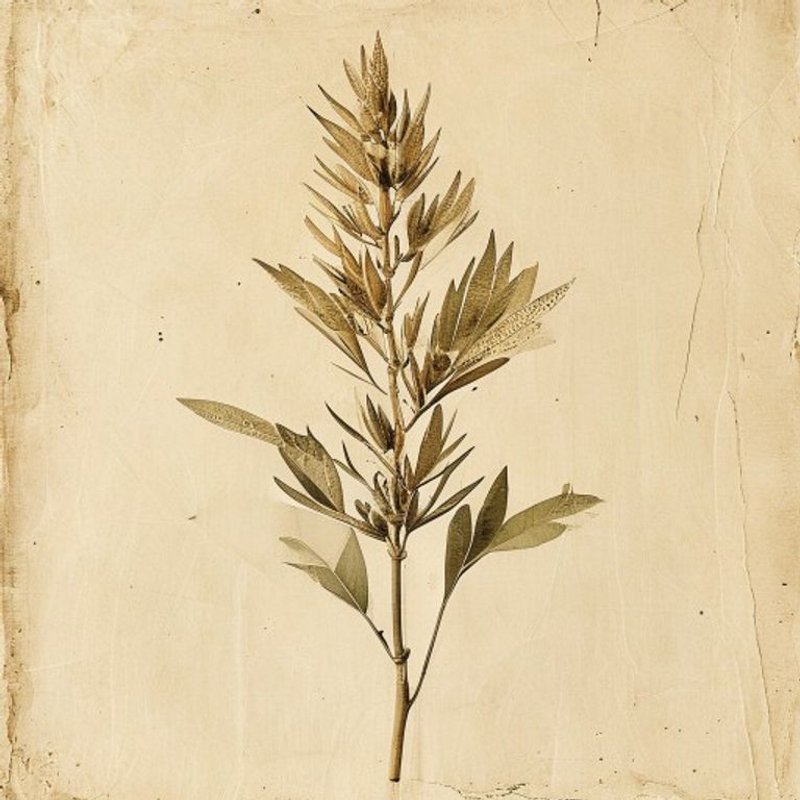
Pl. 8197 — Bromelia pinguin
Bromelia pinguinBromelia pinguinBromelia pinguinBromelia pinguinBromelia pinguinBromelia pinguinBromelia pinguinBromelia pinguinBromelia pinguinBromelia pinguinBromelia pinguinBromelia pinguinBromelia pinguinBromelia pinguin
IOverview
Overview
Pinuela Pinguin, scientifically known as Bromelia pinguin, is a perennial forb/herb native to Central and South America, including Belize, Colombia, Costa Rica, Ecuador, and other Caribbean islands. This plant thrives in diverse habitats ranging from dry to moist environments and can be found growing in light (sandy), medium, or heavy (clay) soils with a pH between 4.5 and 6.5. It is known for its edible parts, including the flowers, fruit, and shoots, making it a valuable resource in some regions. Pinuela Pinguin prefers full to partial sun and can tolerate various soil conditions, growing up to 1 meter tall. Its light requirement and adaptability make it a versatile plant in botanical gardens or home landscapes.
Quick answers
What is Pinuela Pinguin?
Pinuela Pinguin, scientifically known as Bromelia pinguin, is a perennial forb/herb native to Central and South America, including Belize, Colombia, Costa Rica, Ecuador, and other Caribbean islands.
Growingconditions · propagation · uses
VCultivation
Cultivation
Pinuela Pinguin thrives in full to partial sun and prefers moist to dry conditions, making it adaptable to a range of environments. It grows best in light (sandy), medium, or heavy (clay) soil with a pH between 4.5 and 6.5. Hardy in zones 9-12, this perennial can reach up to 1 meter in height. For propagation, shoot division is an effective method. Harvest edible parts such as flowers, fruit, and shoots for culinary use.
Light
Full sun, Partial sun/shade
Water
Dry, Moist
Soil
Light (sandy), Medium, Heavy (clay)
Hardiness
9-12
Life cycle
Perennial
Habit
Forb/herb
Mature size
1.0 m tall
Soil pH
4.5–6.5
For first-time growers
How to grow Pinuela Pinguin for the first time
8steps
Start with a simple and forgiving plant for beginners.
- 1
What you'll need
A Pinuela Pinguin plant, well-draining soil, and a container or garden bed.
- 2
Best time to plant
Plant in spring when temperatures are consistently above 15°C (60°F).
- 3
Soil and container prep
Use a pot with drainage holes and fill it with well-draining soil, or choose a garden bed with sandy to clay-like soil.
- 4
Sowing or transplanting
Transplant the plant from its nursery pot into your prepared container or directly into the ground.
- 5
First two weeks
Water sparingly and place in partial shade to avoid sunburn. Monitor for pests and diseases.
- 6
Ongoing care
Provide full to partial sunlight, keep soil moist but not waterlogged, and fertilize lightly every few months.
- 7
Harvest or pruning
Prune dead leaves and flowers to maintain the plant's health. Harvest fruits when they are fully colored and firm.
- 8
Common mistakes
Overwatering, placing in full sun, using heavy fertilizers, neglecting to prune, and not providing enough drainage.
VIEdible & utility
Edible & utility
Edible parts:FlowersFruitShoots
Edible uses: Drink
Other uses:FencingFiberHedgerowWeaving material
Contextrange · companions · related
VIIDistribution
27 native · 1 introduced
Distribution
27 native · 1 introducedDistribution across1 continent· 27 native· 1 introduced
Americas16 regions
native (16)BelizeColombiaCosta RicaCubaDominican RepublicEcuadorEl SalvadorGuatemalaGuyanaHaitiHondurasJamaicaNicaraguaPuerto RicoSurinameVenezuela
Broader regions
native:Venezuelan Antilles, Cayman Is., Leeward Is., Mexico Gulf, Mexico Northeast, Mexico Northwest, Mexico Southeast, Mexico Southwest, Panamá, Southwest Caribbean, Windward Is.
introduced:Florida
IXSpecimen gallery
1 image
Specimen gallery
1 imageXI
Explore further
Companion planting
Growing zone
XII
About this entry
- Last updated
- Citation
- How to cite this entry · Submit a correction
Back to the cataloguePlant id · 8197390d-dfc4-41af-81a9-5b615fcdf7d5
Decision aid
Choosing between Pinuela Pinguin and something else?
Continue reading
❦❦❦❦
Endpaper · archive updates
Get archive updates
Occasional email when substantial new content lands — plant profiles, seasonal growing notes, folk-remedy additions. Free, no tracking, unsubscribe anytime.