
Mountain Brome
Bromus breviaristatus
Educational content — not medical, botanical, or professional advice. Plant identification, safety, and edibility depend on local conditions, cultivars, and correct identification. Consult a qualified botanist or forager before consuming or handling wild specimens. How we source & review →
Garden journal pausedUse profile notes below
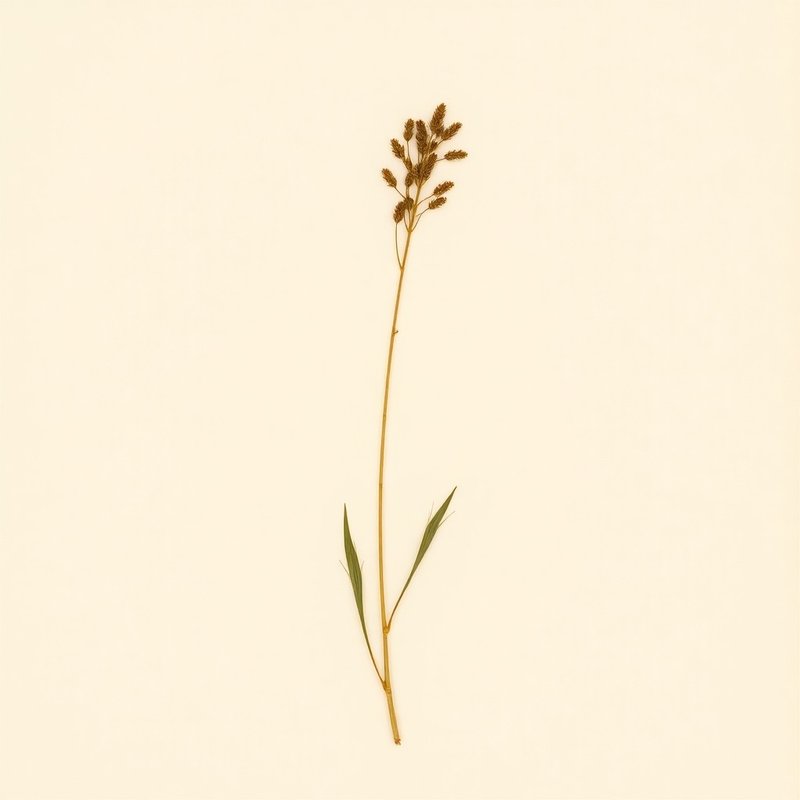
Pl. 6509 — Bromus breviaristatus
Bromus breviaristatusBromus breviaristatusBromus breviaristatusBromus breviaristatusBromus breviaristatusBromus breviaristatusBromus breviaristatusBromus breviaristatusBromus breviaristatusBromus breviaristatusBromus breviaristatusBromus breviaristatusBromus breviaristatusBromus breviaristatus
IOverview
Overview
Mountain Brome (Bromus breviaristatus) is a perennial grass that thrives in diverse habitats across North America and Central America, including regions such as Alberta, Arizona, British Columbia, California, Colorado, Connecticut, Costa Rica, El Salvador, Guatemala, Honduras, Idaho, Illinois, Iowa, Kansas, Maine, Massachusetts, Mexico (Central, Gulf, Northeast, Northwest, Southeast, Southwest), Montana, Nebraska, Nevada, New Hampshire, New Mexico, New York, Oregon, Saskatchewan, South Dakota, Utah, Washington, and Wyoming. This hardy plant is known for its edible seed, which can be consumed raw or cooked, making it a valuable resource in some regions. The seeds are typically harvested and prepared by boiling or roasting, though detailed preparation methods were not provided. Mountain Brome grows up to 0.8 meters tall and prefers well-drained soils that range from light (sandy) to heavy (clay), with an optimal pH between 5.5 and 8. It can adapt to both full sun and partial shade environments, making it a versatile addition to various landscapes. This perennial graminoid grows rapidly and is drought-tolerant but can also handle moist conditions. Its distinctive features include its ability to grow in a variety of soil types and its adaptability to different light conditions. While primarily known for its edible seed, Mountain Brome does not have recognized medicinal uses. However, it remains an important plant in certain cultural contexts due to its nutritional value. Cultivation of this plant should be approached with care, ensuring the appropriate pH range and soil type are maintained for optimal growth.
Quick answers
What is Mountain Brome?
Mountain Brome (Bromus breviaristatus) is a perennial grass that thrives in diverse habitats across North America and Central America, including regions such as Alberta, Arizona, British Columbia, California, Colorado, Connecticut, Costa Rica, El Salvador, Guatemala, Honduras, Id
Growingconditions · propagation · uses
VCultivation
Cultivation
Mountain Brome thrives in full to partial sun and prefers well-drained soils that are light (sandy), medium, or heavy (clay). It is drought-tolerant but can also handle moist conditions. The plant grows up to 0.8 meters tall and is a perennial graminoid. For cultivation, ensure the soil pH ranges from 5.5 to 8. Harvest the edible parts by collecting seeds. This plant is hardy in temperate regions and is native to areas including Alberta, Arizona, British Columbia, California, Colorado, Connecticut, Costa Rica, El Salvador, and other locations mentioned.
Light
Full sun, Partial sun/shade
Water
Dry, Moist
Soil
Light (sandy), Medium, Heavy (clay)
Life cycle
Perennial
Habit
Graminoid
Mature size
0.8 m tall
Soil pH
5.5–8
For first-time growers
How to grow Mountain Brome for the first time
8steps
Start with Mountain Brome as a simple, low-maintenance perennial grass.
- 1
What you'll need
Mountain Brome seeds or seedlings, garden tools like a trowel and rake.
- 2
Best time to plant
Plant in early spring or late fall when the soil is moist but not waterlogged.
- 3
Soil and container prep
Choose a location with well-draining soil, either in the ground or a pot. Ensure the pH is between 5.5 and 8.
- 4
Sowing or transplanting
Direct sow seeds 0.5 inches deep or plant seedlings at a spacing of about 30 cm apart.
- 5
First two weeks
Keep the soil moist until germination, which takes around 14-21 days. Avoid overwatering once established.
- 6
Ongoing care
Water sparingly, especially in dry periods. Mow or trim to maintain a neat appearance if desired.
- 7
Harvest or pruning
Prune dead foliage in early spring to encourage new growth and maintain the plant's health.
- 8
Common mistakes
Overwatering, planting too deep, neglecting to prune dead leaves.
VIEdible & utility
Edible & utility
Edible parts:Seed
Edible uses: The Mountain Brome's seed is edible and can be consumed raw or cooked. Typically, the seeds are harvested and prepared in various ways, including boiling or roasting. They can also be ground into a flour for baking. Skip the detailed preparation methods as they were not provided in the data.
Contextrange · companions · related
VIIDistribution
51 native · 130 introduced
Distribution
51 native · 130 introducedDistribution across5 continents· 51 native· 130 introduced
Europe10 regions
introduced (10)AustriaBelgiumCyprusFranceGermanyItalyPortugalRussiaSpainUkraine
Asia13 regions
introduced (13)ChinaGeorgiaIranJapanKazakhstanKuwaitNepalPakistanPalestineSaudi ArabiaSouth KoreaSri LankaTaiwan
Americas17 regions
native (11)BoliviaColombiaCosta RicaEcuadorEl SalvadorGuatemalaHondurasParaguayPeruUruguayVenezuela
introduced (6)Costa RicaDominican RepublicGuatemalaHaitiJamaicaUnited States
Africa15 regions
introduced (15)AlgeriaCabo VerdeEgyptEswatiniEthiopiaKenyaLesothoMoroccoNamibiaRwandaTanzaniaTunisiaUgandaWestern SaharaZimbabwe
Oceania1 region
introduced (1)New Caledonia
Broader regions
native:Alberta, Argentina Northeast, Argentina Northwest, Argentina South, Arizona, Brazil South, Brazil Southeast, Brazil West-Central, British Columbia, California, Chile Central, Chile North, Chile South, Colorado, Connecticut, Idaho, Illinois, Iowa, Juan Fernández Is., Kansas, Maine, Massachusetts, Mexico Central, Mexico Gulf, Mexico Northeast, Mexico Northwest, Mexico Southeast, Mexico Southwest, Montana, Nebraska, Nevada, New Hampshire, New Mexico, New York, Oregon, Saskatchewan, South Dakota, Utah, Washington, Wyoming
introduced:Alabama, Alberta, Arizona, Arkansas, Bermuda, California, Cape Provinces, Chatham Is., Colorado, Czechoslovakia, District of Columbia, East Himalaya, Easter Is., Falkland Is., Florida, Free State, Illinois, Iowa, Jawa, Kansas, Kentucky, Kermadec Is., Khabarovsk, Kriti, KwaZulu-Natal, Labrador, Lebanon-Syria, Louisiana, Maryland, Mexico Central, Mexico Gulf, Mexico Northeast, Mexico Northwest, Mexico Southwest, Mississippi, Missouri, Nebraska, Nevada, New Jersey, New Mexico, New South Wales, New York, New Zealand North, New Zealand South, Norfolk Is., North Carolina, North Dakota, Northern Provinces, Ohio, Oklahoma, Ontario, Oregon, Panamá, Pennsylvania, Primorye, Queensland, Réunion, South Australia, South Carolina, South Dakota, St.Helena, Tadzhikistan, Tasmania, Tennessee, Texas, Transcaucasus, Trinidad-Tobago, Tristan da Cunha, Utah, Victoria, Virginia, West Himalaya, Western Australia
IXSpecimen gallery
1 image
Specimen gallery
1 imageXI
Explore further
Companion planting
XII
About this entry
- Last updated
- Citation
- How to cite this entry · Submit a correction
Back to the cataloguePlant id · 65097ee0-12ee-48d0-bc98-6c2ff3a5ac11
Decision aid
Choosing between Mountain Brome and something else?
Continue reading
❦❦❦❦
Endpaper · archive updates
Get archive updates
Occasional email when substantial new content lands — plant profiles, seasonal growing notes, folk-remedy additions. Free, no tracking, unsubscribe anytime.
Newsletter returning soon.
We are rebuilding the update list around a lightweight editorial workflow. New dispatches will resume after the next content review cycle.