
Butterfly bush
Buddleia davidii
Educational content — not medical, botanical, or professional advice. Plant identification, safety, and edibility depend on local conditions, cultivars, and correct identification. Consult a qualified botanist or forager before consuming or handling wild specimens. How we source & review →
perennialshrubs
Garden journal pausedUse profile notes below
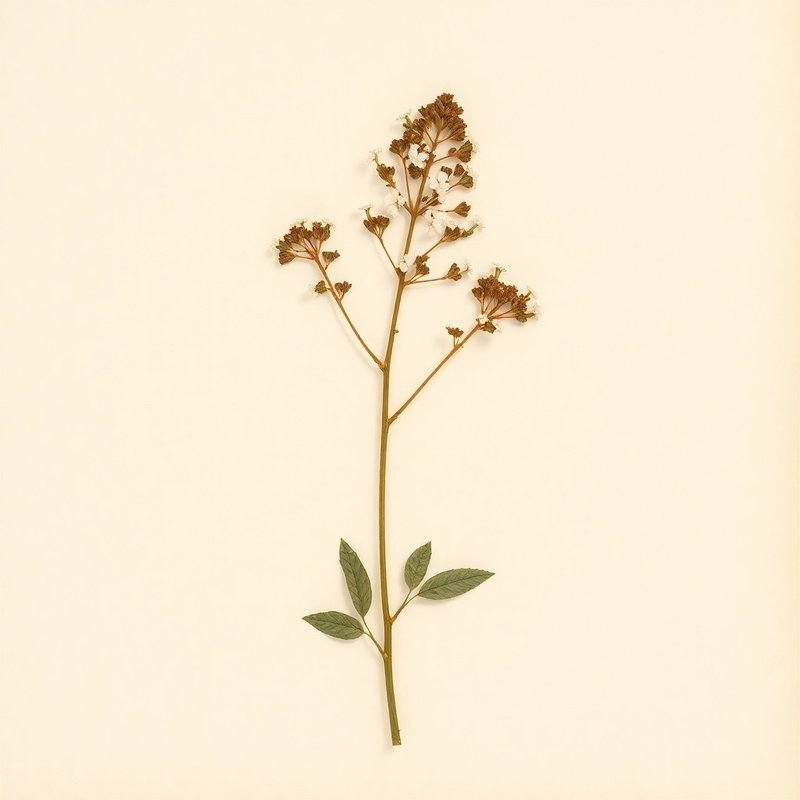
Pl. FD96 — Buddleia davidii
Buddleia davidiiBuddleia davidiiBuddleia davidiiBuddleia davidiiBuddleia davidiiBuddleia davidiiBuddleia davidiiBuddleia davidiiBuddleia davidiiBuddleia davidiiBuddleia davidiiBuddleia davidiiBuddleia davidiiBuddleia davidii
IOverview
Overview
Buddleia davidii, commonly known as the butterfly bush, is a perennial shrub native to regions in China and Tibet. This plant is prized for its ornamental value, featuring attractive blue flowers that attract pollinators such as butterflies and bees. It thrives in a variety of growing conditions, including light (sandy), medium, and heavy (clay) soils, and can tolerate both dry and moist environments. Buddleia davidii prefers slightly alkaline soil with a pH between 7 and 7.5 and requires moderate to high light exposure. The shrub is known for its fast growth habit, reaching heights of up to 3 meters, and its deciduous leaves provide an attractive visual contrast throughout the seasons. This versatile plant can be grown in temperate regions where it can withstand a range of temperatures. Its hardiness makes it suitable for cultivation in different areas, adding beauty to various landscapes. While primarily ornamental, Buddleia davidii also has potential as a dye and fragrance source. However, gardeners should be cautious due to its weed-like tendencies, which could lead to invasive growth if not managed properly. Overall, the butterfly bush is an attractive addition to gardens and landscapes, offering both aesthetic appeal and ecological benefits by supporting local pollinator populations.
Quick answers
What is Butterfly bush?
Buddleia davidii, commonly known as the butterfly bush, is a perennial shrub native to regions in China and Tibet. This plant is prized for its ornamental value, featuring attractive blue flowers that attract pollinators such as butterflies and bees.
Growingconditions · propagation · uses
VCultivation
Cultivation
This perennial shrub prefers well-draining soil with a pH between 7 and 7.5, and can thrive in a variety of soil types, including light, medium, and heavy soils. It requires moderate to high light and can tolerate dry to moist water conditions. Hardy in temperate regions, it can be grown in areas with moderate temperatures. Propagation methods are not specified, but it can be grown into a large shrub, reaching heights of 3 meters. With proper care, it can be a beautiful addition to any garden, attracting pollinators and adding beauty to the landscape.
Light
7/10
Water
Dry, Moist
Soil
Light (sandy), Medium, Heavy (clay)
Hardiness
4-8
Life cycle
Perennial
Habit
Shrub
Mature size
3.0 m tall
Soil pH
7–7.5
For first-time growers
How to grow Butterfly bush for the first time
8steps
Start with a simple, low-maintenance shrub that will attract butterflies and bees to your garden.
- 1
What you'll need
Butterfly bush plants or seeds, gardening gloves, trowel, watering can.
- 2
Best time to plant
Plant in spring after the last frost or in early fall before the first freeze.
- 3
Soil and container prep
Ensure soil is well-draining with a pH between 7-7.5; use a pot at least 10 inches wide if planting in containers.
- 4
Sowing or transplanting
Start seeds indoors 6-8 weeks before the last frost, then transplant outdoors after danger of frost passes; for direct sowing, wait until spring.
- 5
First two weeks
Water regularly to keep soil moist but not soggy; avoid overwatering which can lead to root rot.
- 6
Ongoing care
Provide full sun exposure (6-8 hours daily), water deeply once a week, and mulch around the base for moisture retention.
- 7
Harvest or pruning
Prune in late winter before new growth starts to encourage bushier plants; deadhead spent flowers to promote more blooms.
- 8
Common mistakes
Overwatering, planting in heavy clay soil, not providing enough sunlight, neglecting regular pruning, and using the wrong pH soil.
VIEdible & utility
Edible & utility
Other uses:DyeFragrance
Contextrange · companions · related
VIIDistribution
4 native · 68 introduced
Distribution
4 native · 68 introducedDistribution across4 continents· 4 native· 68 introduced
Europe14 regions
introduced (14)BelgiumBulgariaFranceGermanyGreeceHungaryIrelandItalyNetherlandsPolandRomaniaSpainSwitzerlandUnited Kingdom
Asia6 regions
native (1)China
introduced (5)GeorgiaJapanPakistanUzbekistanVietnam
Americas6 regions
introduced (6)ColombiaCubaEcuadorPeruPuerto RicoVenezuela
Africa4 regions
introduced (4)CameroonRwandaZambiaZimbabwe
Broader regions
introduced:Alabama, Argentina South, Ascension, Brazil South, Brazil Southeast, British Columbia, California, Connecticut, Czechoslovakia, Delaware, District of Columbia, East Himalaya, Illinois, Kentucky, Malaya, Maryland, Masachusettes, Michigan, Missouri, New Jersey, New York, New Zealand North, New Zealand South, North Carolina, Ohio, Ontario, Oregon, Pennsylvania, Rhode I., South Carolina, Tasmania, Tennessee, Transcaucasus, Trinidad-Tobago, Virginia, Washington, West Himalaya, West Virginia
IXSpecimen gallery
1 image
Specimen gallery
1 imageXI
Explore further
Companion planting
Growing zone
XII
About this entry
- Last updated
- Citation
- How to cite this entry · Submit a correction
Back to the cataloguePlant id · fd96565f-8f84-4bf4-b1ac-d0da061b1725
Decision aid
Choosing between Butterfly bush and something else?
Continue reading
❦❦❦❦
Endpaper · archive updates
Get archive updates
Occasional email when substantial new content lands — plant profiles, seasonal growing notes, folk-remedy additions. Free, no tracking, unsubscribe anytime.
Newsletter returning soon.
We are rebuilding the update list around a lightweight editorial workflow. New dispatches will resume after the next content review cycle.