
Turkish Rocket
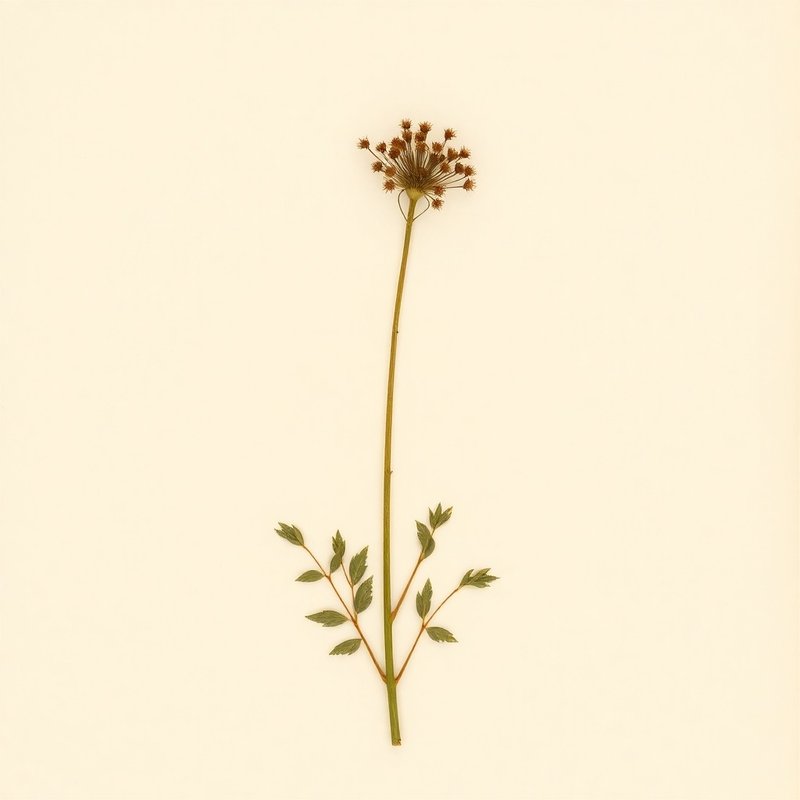
IOverview
Overview
Turkish Rocket (Bunias orientalis) is a perennial herb belonging to the Brassicaceae family, known for its distinctive light, airy form and adaptability across various soil types. Native to regions including Altay, Bulgaria, parts of Russia, Iran, Iraq, Turkey, and other Central Asian countries, Turkish Rocket thrives in moist to light soils with a pH range of 7.5–8, making it suitable for cultivation in temperate zones 6-9. This herb can grow up to 0.9 meters tall and is often found in habitats ranging from Central Europe and Eastern Europe to Asia Minor and parts of Central Asia. Its edible flowers, leaves, and stems are commonly consumed raw or cooked, adding a mild flavor to salads or steamed as a vegetable. Turkish Rocket has been introduced into various regions such as Austria, Belgium, France, and the Baltic States, expanding its culinary use beyond its native range. The plant's ability to adapt to diverse soil types and climate conditions makes it a versatile addition to gardens and landscapes, appreciated for both its ornamental value and culinary uses. While not traditionally used in medicinal practices, Turkish Rocket remains an interesting choice for gardeners seeking unique edible plants with a rich cultural history.
What is Turkish Rocket?
Turkish Rocket (Bunias orientalis) is a perennial herb belonging to the Brassicaceae family, known for its distinctive light, airy form and adaptability across various soil types.
VCultivation
Cultivation
How to grow Turkish Rocket for the first time
Start with Turkish Rocket as a simple, low-maintenance perennial for your garden.
- 1
What you'll need
Seeds or seedlings, a trowel, and a watering can.
- 2
Best time to plant
Plant in early spring or late fall when the soil is cool.
- 3
Soil and container prep
Choose a location with well-draining soil that's slightly alkaline (pH 7.5–8).
- 4
Sowing or transplanting
Direct sow seeds 1 cm deep, spacing them about 30 cm apart. Alternatively, plant seedlings in the same distance.
- 5
First two weeks
Water regularly to keep the soil moist but not waterlogged. Monitor for pests and diseases.
- 6
Ongoing care
Provide light watering during dry spells. Fertilize once a year with compost or well-rotted manure.
- 7
Harvest or pruning
Prune dead leaves to maintain the plant's health, but avoid cutting back too much as it may affect flowering.
- 8
Common mistakes
Overwatering, planting in heavy clay soil, and not providing enough space between plants.
VIEdible & utility
Edible & utility
VIIDistribution
23 native · 31 introduced
Distribution
23 native · 31 introducedIXSpecimen gallery
1 image
Specimen gallery
1 imageExplore further
About this entry
- Last updated
- Citation
- How to cite this entry · Submit a correction
Continue reading
Get archive updates
Occasional email when substantial new content lands — plant profiles, seasonal growing notes, folk-remedy additions. Free, no tracking, unsubscribe anytime.