
Cacalia auriculata
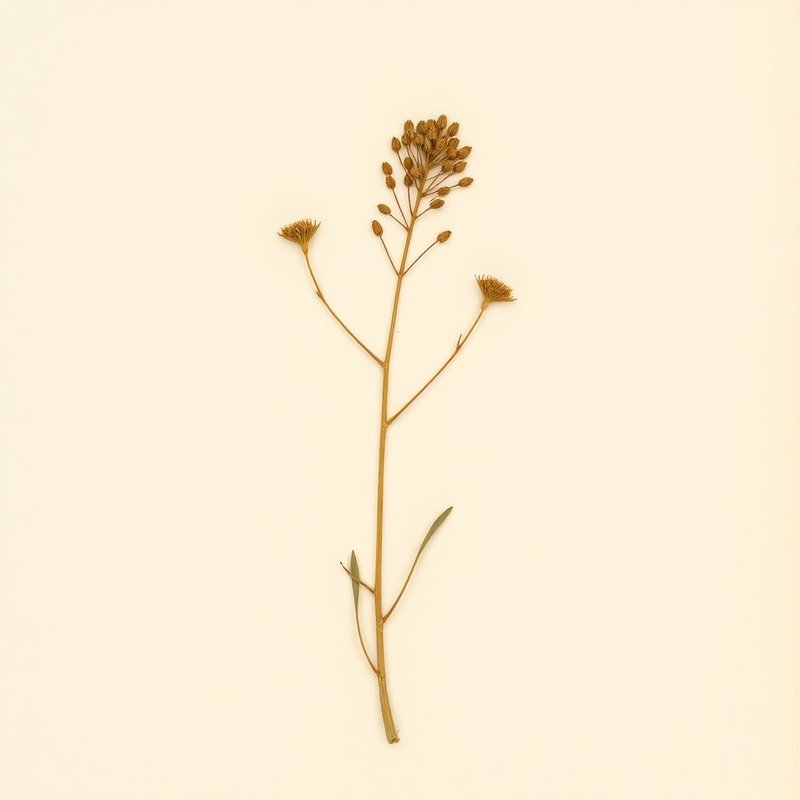
IOverview
Overview
Cacalia auriculata, a perennial plant native to regions including the Aleutian Islands, Amur, Inner Mongolia, Japan, Kamchatka, Khabarovsk, Korea, Kuril Islands, and other areas of East Asia, is adapted to partial sun or shade with moist conditions, thriving in various soil types such as light (sandy), medium, and heavy (clay). Growing up to 1.2 meters tall, this plant is valued for its edible leaves, which can be consumed raw or cooked and are commonly used in stir-fries or soups, adding a mild flavor to dishes. While not medicinal, Cacalia auriculata is an important part of the local flora and can be cultivated for its culinary uses. Cultivation is straightforward, with the plant thriving in moist, well-drained soil and partial to full shade. For propagation, seeds or division of established plants can be used.
What is Cacalia auriculata?
Cacalia auriculata, a perennial plant native to regions including the Aleutian Islands, Amur, Inner Mongolia, Japan, Kamchatka, Khabarovsk, Korea, Kuril Islands, and other areas of East Asia, is adapted to partial sun or shade with moist conditions, thriving in various soil types
VCultivation
Cultivation
How to grow Cacalia auriculata for the first time
Start with Cacalia auriculata as a simple, low-maintenance perennial for your garden.
- 1
What you'll need
A small plant or seeds, a container if planting in pots, and basic gardening tools.
- 2
Best time to plant
Plant Cacalia auriculata in early spring or late fall when the soil is moist but not waterlogged.
- 3
Soil and container prep
Ensure the soil is well-draining, with a mix of light (sandy), medium, or heavy clay. For containers, use a potting mix suitable for perennials.
- 4
Sowing or transplanting
Transplant young plants into your garden bed or pots, ensuring they are spaced about 1 meter apart to allow room for growth.
- 5
First two weeks
Water the plant regularly to keep the soil moist but not soggy. Avoid direct sunlight during this period.
- 6
Ongoing care
Provide partial sun or full shade, and water when the top inch of soil feels dry. Mulch around the base for moisture retention.
- 7
Harvest or pruning
Prune dead leaves to maintain a neat appearance and encourage new growth. Leaves can be harvested as needed.
- 8
Common mistakes
Overwatering, planting in full sun, and neglecting to mulch are common issues beginners should avoid.
VIEdible & utility
Edible & utility
VIIDistribution
22 native · 2 introduced
Distribution
22 native · 2 introducedIXSpecimen gallery
1 image
Specimen gallery
1 imageExplore further
About this entry
- Last updated
- Citation
- How to cite this entry · Submit a correction
Continue reading
Get archive updates
Occasional email when substantial new content lands — plant profiles, seasonal growing notes, folk-remedy additions. Free, no tracking, unsubscribe anytime.