
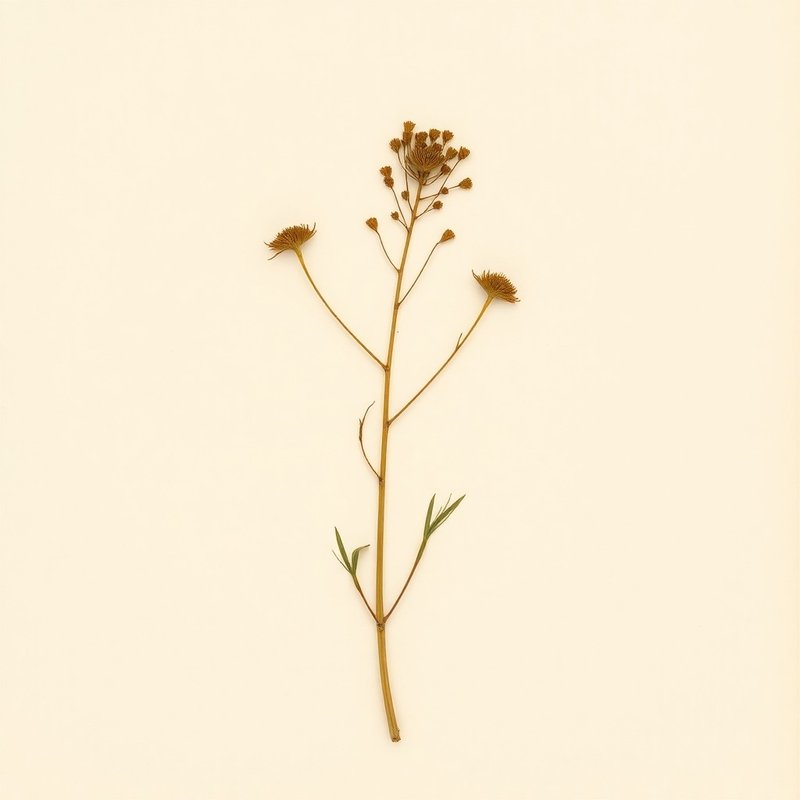
Cacalia hastata orientalis
IOverview
Overview
Cacalia hastata orientalis, a light-loving perennial with a maximum height of 2 meters, thrives in moist environments and is native to regions such as Altay, Amur, Buryatiya, China North-Central, Chita, East European Russia, Inner Mongolia, and Irkutsk. This plant is valued for its edible leaves, which can be eaten raw or cooked and are often prepared in salads for their mild flavor or steamed as a vegetable. It prefers light (sandy), medium, and heavy (clay) soils and grows best in partial sun to full shade. Cacalia hastata orientalis is a useful addition to gardens or landscapes where these conditions can be provided, and its adaptability to various soil types makes it a versatile choice for gardeners. While it is not medicinal, it offers practical benefits through its edible parts.
What is Cacalia hastata orientalis?
Cacalia hastata orientalis, a light-loving perennial with a maximum height of 2 meters, thrives in moist environments and is native to regions such as Altay, Amur, Buryatiya, China North-Central, Chita, East European Russia, Inner Mongolia, and Irkutsk.
VCultivation
Cultivation
How to grow Cacalia hastata orientalis for the first time
Start with Cacalia hastata orientalis by planting it in a partially shaded area, ensuring you have the right soil and care steps.
- 1
What you'll need
A partially shaded spot, well-draining soil, and containers if needed.
- 2
Best time to plant
Plant in early spring or late autumn when temperatures are mild.
- 3
Soil and container prep
Prepare a site with light, medium, or heavy soil. Ensure good drainage for containers.
- 4
Sowing or transplanting
Direct sow seeds or transplant seedlings into the prepared soil at 2 meters apart.
- 5
First two weeks
Water regularly to keep the soil moist but not waterlogged. Monitor for pests and diseases.
- 6
Ongoing care
Continue regular watering, especially during dry spells. Mulch around plants to retain moisture.
- 7
Harvest or pruning
Prune after flowering to maintain plant health and encourage new growth.
- 8
Common mistakes
Overwatering, planting in full sun, neglecting to mulch, not providing enough space between plants, and failing to prune regularly.
VIEdible & utility
Edible & utility
VIIDistribution
23 native · 0 introduced
Distribution
23 native · 0 introducedIXSpecimen gallery
1 image
Specimen gallery
1 imageExplore further
About this entry
- Last updated
- Citation
- How to cite this entry · Submit a correction
Continue reading
Get archive updates
Occasional email when substantial new content lands — plant profiles, seasonal growing notes, folk-remedy additions. Free, no tracking, unsubscribe anytime.